Rescue teams respond after a deadly post-heatwave windstorm killed 14 people across Pakistan.
Violent dust storms and thunderstorms tear across Pakistan after extreme heat, injuring over 100 and triggering emergency alerts nationwide
Pakistan windstorm deaths today surged as powerful post-heatwave storms ripped through multiple provinces, killing at least 14 people and injuring more than 100, according to emergency officials. The Pakistan weather disaster today, as reported by provincial authorities and rescue services, underscores the growing volatility of extreme weather patterns across the country.
Key Points
14 dead, 100+ injured as violent windstorms hit several regions.
Storms followed an intense national heatwave lasting several days.
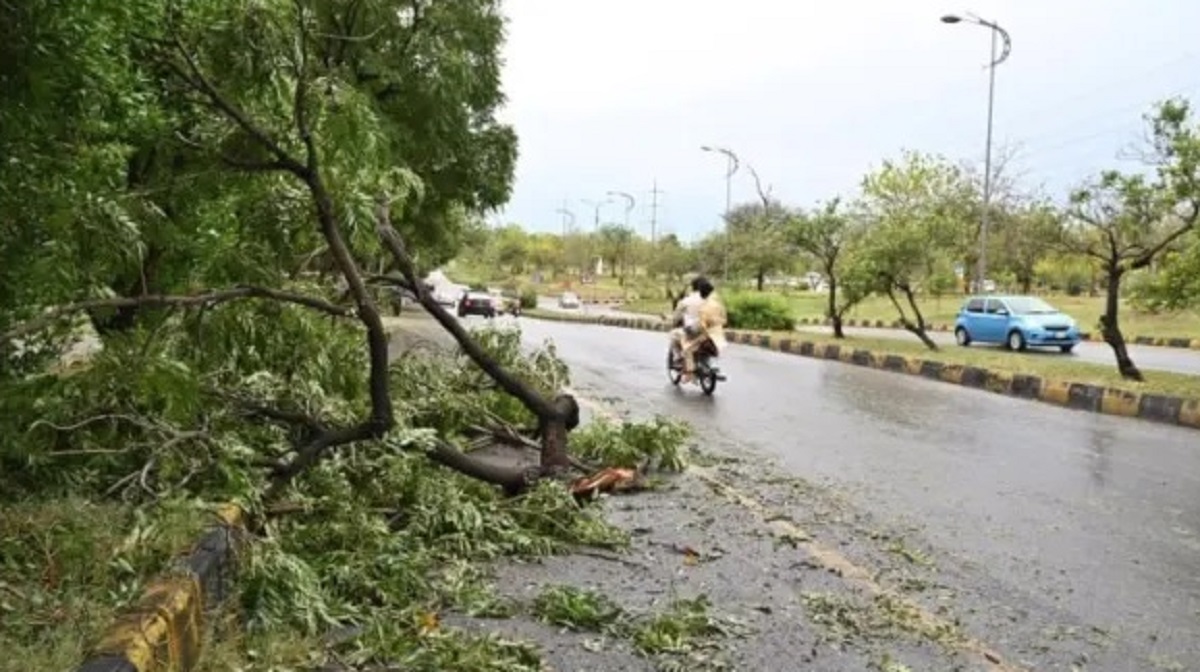
Homes, power lines, and vehicles suffered widespread damage.
Emergency teams remain on high alert for additional weather threats.
Authorities urge citizens to follow updated safety advisories.
Lahore (Star Struck Times) — A sudden wave of violent windstorms and dust-laden thunderstorms swept across parts of Pakistan late Sunday night and into early Monday, killing at least 14 people and leaving more than 100 injured, as the country struggled to recover from days of record-breaking heat. The storms, driven by a sharp shift in atmospheric pressure after the prolonged heatwave, uprooted trees, collapsed weak structures, and plunged entire neighborhoods into darkness as power networks failed.
Officials confirmed that the majority of casualties occurred when walls, rooftops, and roadside billboards collapsed under intense wind pressure, while several deaths were also linked to electrocution and falling debris. The Pakistan windstorm deaths today mark one of the deadliest post-heatwave weather episodes of the year, intensifying fears of increasingly unpredictable climate extremes across South Asia.
The storm system developed rapidly after temperatures soared well above seasonal averages for nearly a week, creating unstable air conditions. As the super-heated air rose, it collided with a cooler weather front, triggering violent gusts, dust storms, and short but intense rainfall across central and northern regions. In several districts, wind speeds crossed dangerous thresholds within minutes, giving residents little time to seek shelter.
“My sister was inside the house when the wall collapsed suddenly. There was no warning,” said one survivor in a grief-stricken neighborhood, where rescue workers pulled multiple injured residents from rubble under torchlight. Another local resident described the storm as “a dark wall of dust followed by roaring wind that sounded like a speeding train.”
Emergency services reported dozens of people suffering from fractures, head injuries, and electrical burns, with hospitals declaring emergency protocols as ambulances rushed victims through congested, debris-choked roads. Medical officials confirmed that children and elderly citizens were among the most severely affected, reflecting the vulnerability of fragile housing in many high-density localities.
Authorities acknowledged that the destructive power of the storm was magnified by the preceding heatwave, which weakened building materials and increased structural stress across many low-income neighborhoods. In several urban centers, tin-roofed houses were ripped apart, parked vehicles were smashed by falling trees, and hundreds of electricity poles were toppled, leaving large swathes of the population without power through the night.
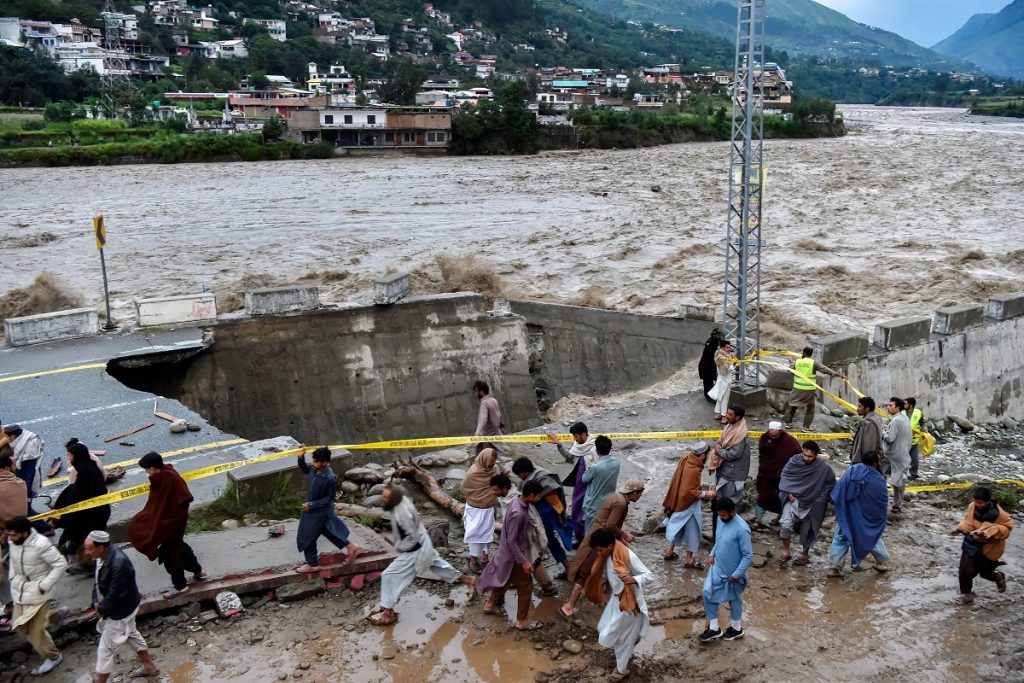
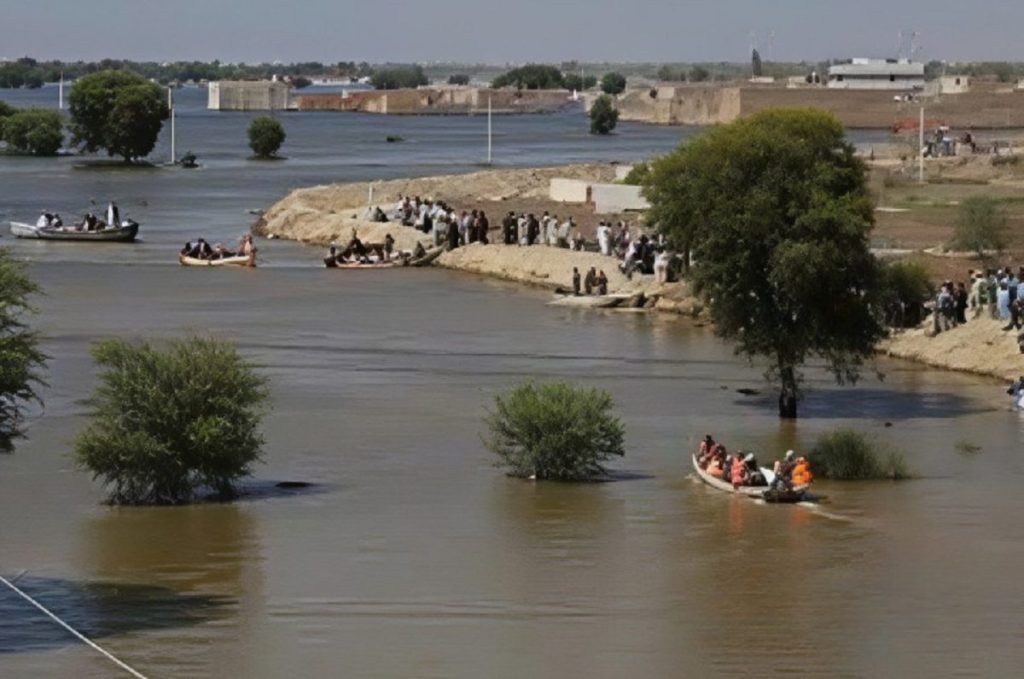
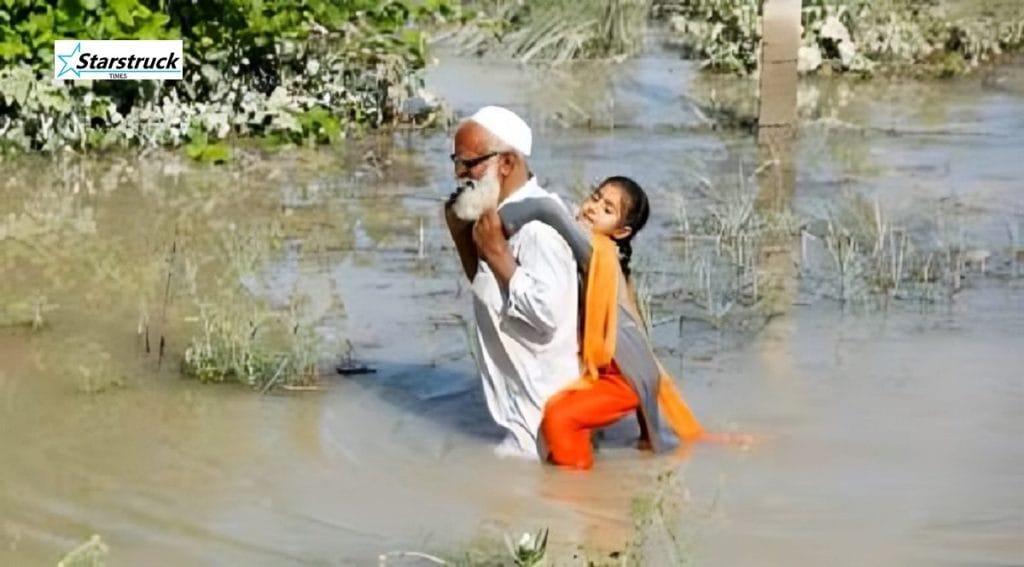
In a formal advisory, the Pakistan Meteorological Department stated that the storm activity was a direct consequence of extreme surface heating followed by sudden moisture inflow. The department warned that additional thunderstorms and strong gusts could not be ruled out over the next 24 to 48 hours, particularly in northern and central regions, prompting fresh alerts for flash flooding in vulnerable low-lying areas.
Public reaction poured in across social platforms as images of collapsed homes, shattered storefronts, and overturned vehicles went viral. Many users questioned whether early warning systems were adequate given the speed and intensity of the storm. “We received heatwave warnings for days, but no one told us wind could be this deadly,” one user wrote in a widely shared post.
Government officials expressed condolences to the bereaved families while directing disaster management authorities to accelerate damage assessments. A provisional compensation package for families of the deceased is under discussion, according to provincial officials, while relief camps have been established for those left homeless overnight.
A senior disaster management officer stated, “Rescue teams are still active in affected districts, clearing debris, restoring electricity, and shifting the injured to medical facilities. The scale of wind damage is extensive, especially in informal settlements where structures were already weakened by heat exposure.”
The Pakistan weather disaster today has once again highlighted the growing overlap between heat extremes and sudden storm events, a pattern increasingly associated with climate instability. Meteorologists explain that as average temperatures rise, the atmosphere retains more energy and moisture, creating the perfect conditions for sudden, violent storms once weather systems collide.
For many residents, the storm’s psychological impact may last longer than the physical destruction. “We survived the heat by staying indoors all day, and at night the storm took everything,” said a middle-aged shopkeeper whose small business was destroyed when a billboard crashed onto his storefront. “It feels like we cannot escape nature anymore.”
As daylight revealed the extent of destruction, local administrations began compiling loss estimates, while utility crews worked to restore electricity and clear critical roadways. In several areas, educational institutions were closed as a precaution, and authorities urged citizens to avoid unnecessary travel due to unstable structures and exposed power lines.
The broader context of the disaster reflects Pakistan’s increasing exposure to compound climate events, where one extreme — such as heat — directly triggers another — such as deadly windstorms and flash flooding. Environmental experts warn that without improved urban planning, stronger housing codes, and upgraded early warning systems, such disasters are likely to become more frequent and more lethal.
In the coming days, attention will shift to recovery, compensation, and the long-term challenge of climate adaptation. For now, the nation mourns the sudden loss of life while bracing for the possibility of more extreme weather in the immediate forecast.
FAQs
Q1: What caused the deadly windstorms in Pakistan? The storms were triggered by intense heat followed by a sudden shift in atmospheric pressure, creating unstable weather conditions that produced violent winds and dust storms.
Q2: How many people have died and been injured? At least 14 people have died, and over 100 have been injured across multiple affected regions.
Q3: Are more storms expected? Yes. Weather authorities have warned of possible additional thunderstorms and gusty winds over the next 24–48 hours.
Q4: What should residents do for safety? People are advised to remain indoors during storm alerts, avoid weak structures, stay away from power lines, and follow official emergency advisories.
Stay informed with verified, real-time updates on extreme weather and national emergencies. Follow Star Struck Times for breaking alerts and in-depth reports.
Hello! I'm M Muzamil Shami, the founder and lead editor of Star Struck Times, your trusted source for trending news, entertainment scoops, celebrity gossip, sports highlights, and global headlines.
With a passion for storytelling and journalism, I created this platform to bring you breaking news, viral moments, and deep insights into the worlds of Bollywood, Hollywood, sports, politics, tech, and more — all in one place.