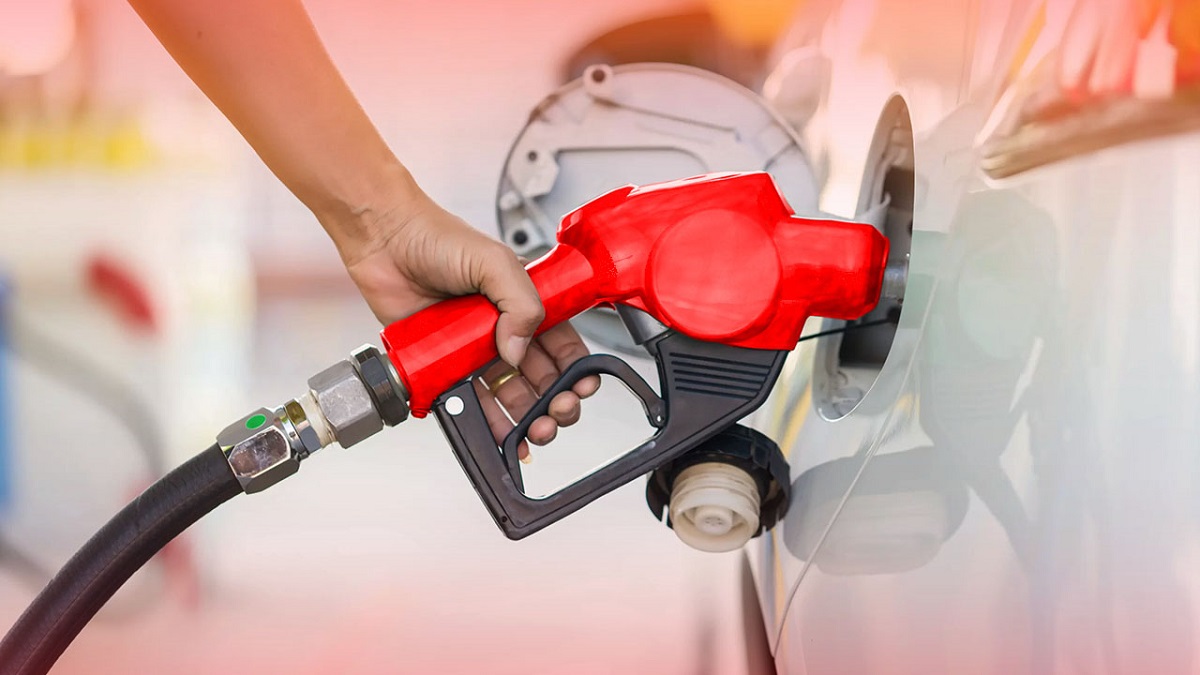
Pakistan has announced the largest fuel price increase in its history, sending petrol to Rs458.40 per litre and high‑speed diesel to Rs520.35 per litre, effective from midnight Thursday. Officials attributed the surge to escalating global oil prices tied to the Middle East conflict and mounting fiscal pressures on the government. This move marks the second major hike in less than a month and has significant implications for inflation, transport costs, and everyday life across the country.
Here’s what Pakistan’s citizens, businesses, and policymakers need to understand about this pivotal economic moment.
Key Highlights
Petrol price jumps to Rs458.40/litre, diesel to Rs520.35/litre — historic highs.
Increase of Rs137.23 per litre for petrol and Rs184.49 for diesel.
Government introduces targeted subsidies for motorcyclists and vulnerable groups.
Fuel price pressures linked directly to Middle East geopolitical tensions affecting global oil markets.
Potential ripple effects expected across transportation, food prices, and inflation.
Public reaction shows rising concern over affordability and cost of living.
What Happened: Record Fuel Price Hike Explained
In a joint press briefing, Federal Petroleum Minister Ali Pervaiz Malik and Finance Minister Muhammad Aurangzeb announced the dramatic revision, citing “unprecedented volatility” in global energy markets. According to officials, petrol prices surged by about 42.7% and diesel by 54.9% due to spikes in international crude oil rates.
Last month, the government had already increased rates by roughly 20%, making this the second surge within weeks. With import dependency extremely high — Pakistan imports nearly all of its crude oil needs — any sustained rise in global prices immediately filters into domestic retail costs.
Targeted relief measures were also unveiled, including temporary subsidies for motorcycle users, farmers, and intercity transport operators — a move aimed at moderating the most acute pain among low‑income commuters.
Reaction From Officials and Experts
Officials have acknowledged that these are “difficult but necessary” decisions in the face of global pressures. Finance Minister Aurangzeb said broad subsidies had become fiscally unsustainable and must give way to targeted support for vulnerable groups.
An energy economist speaking to Star Struck Times (who asked not to be named) noted:
“Pakistan’s energy pricing system has long been vulnerable to external shocks and currency swings. These spikes reflect global market dynamics, but they also expose deeper structural weaknesses in domestic energy policy.”
This aligns with analysts who say Pakistan’s reliance on oil imports and limited strategic reserves leave it particularly exposed to geopolitical conflicts — especially the ongoing crisis in the Middle East that has tightened supply and driven benchmark crude prices sharply higher.
Why It Matters: Inflation, Transport, and Daily Life
This fuel shock isn’t contained at the petrol pump; its consequences are broad:
Transport costs are expected to jump as both private commuting and freight costs rise.
Inflationary pressure will intensify, especially in food and essential goods, as logistics costs climb.
Small businesses and transport workers are particularly vulnerable to rising input costs.
“Our delivery costs have gone up already this week — and now with these prices, we’ll have to raise prices again. It’s the common people who suffer.”
Across social media platforms, many Pakistanis voiced frustration over the timing and scale of the hikes, with concerns over shrinking household budgets and disruptions to daily routines. (Public reaction sourced from social discussion threads.)
Broader Context: The Middle East Conflict’s Ripple Effects
The fuel price surge is part of a wider global energy crunch linked to renewed conflict in the Middle East, particularly disruptions near the Strait of Hormuz — a key shipping artery for crude oil. International benchmarks like Brent crude have climbed significantly, making energy imports costlier for Pakistan and other South Asian economies.
Experts warn that if the geopolitical crisis persists, supply chain disruptions and continued price volatility could amplify inflationary pressures and complicate monetary policy decisions for central banks targeting inflation control.
One Unique Angle: Are There Policy Lessons Here?
Many critics argue this crisis exposes policy shortcomings beyond external factors. For example, Pakistan’s weak strategic petroleum reserves and limited diversification away from oil imports leave it particularly sensitive to shocks.
In response, some energy policy analysts suggest:
Developing larger strategic oil reserves to cushion supply disruptions.
Investing in renewable energy to reduce import dependency.
Reviewing tax structures on petroleum to make pricing more transparent and equitable.
Such reforms could help dampen future price shocks and improve economic resilience.
What Happens Next
Short Term
Government to review subsidy framework after one month.
Monitoring committee to oversee fuel supply and pricing stability.
Medium Term
Potential further adjustments if global oil prices stay high.
Inflation data over coming weeks will indicate broader economic impact.
Long Term
Energy sector reforms may rise on the national agenda, especially if pressure from business communities grows.
FAQs
1. What is the current fuel price in Pakistan as of April 2026? As of April 3, 2026, petrol is priced at Rs458.40 per litre and diesel at Rs520.35 per litre, marking the highest prices in Pakistan’s history.
2. Why did Pakistan increase fuel prices so dramatically? The surge is mainly due to global crude oil price hikes linked to the Middle East conflict, combined with currency depreciation and fiscal pressures affecting the domestic energy sector.
3. How will the fuel price hike affect everyday life? The increase will raise transportation costs, food prices, and inflation, putting pressure on households, small businesses, and daily commuters.
4. Has the government provided any relief measures? Yes, the government announced targeted subsidies for vulnerable groups, including motorcyclists, farmers, and intercity transport operators to reduce the impact of the price hike.
5. Could fuel prices rise further in Pakistan? If global crude oil prices remain high or geopolitical tensions continue, there is potential for further increases. The government may review prices and subsidies in the coming weeks.
6. Where can I check updated fuel prices in Pakistan? Official fuel price updates are published by the Oil & Gas Regulatory Authority (OGRA) and leading news sources such as Dawn, Mashriq TV, and ProPakistani.
7. How does this fuel price hike compare historically? This is the largest fuel price increase in Pakistan’s history, with petrol jumping over Rs137 per litre and diesel over Rs184 per litre compared to previous rates.
Hello! I'm M Muzamil Shami, the founder and lead editor of Star Struck Times, your trusted source for trending news, entertainment scoops, celebrity gossip, sports highlights, and global headlines.
With a passion for storytelling and journalism, I created this platform to bring you breaking news, viral moments, and deep insights into the worlds of Bollywood, Hollywood, sports, politics, tech, and more — all in one place.