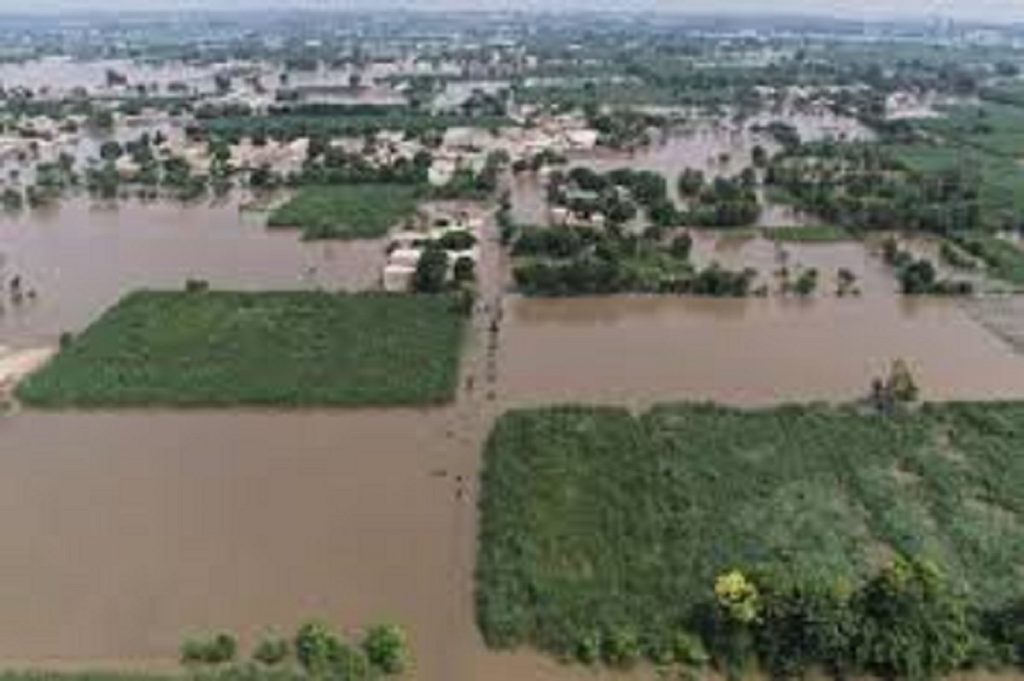
Pakistan is facing one of its deadliest flood disasters in decades. Punjab province has been submerged under record-breaking monsoon rains, leaving over 900,000 people stranded. In a historic first, drone technology has become a frontline tool in disaster response, assisting in aerial rescues, delivering essential supplies, and guiding military and emergency teams through submerged villages. This innovative approach is not only saving lives but also reshaping how nations respond to natural disasters.
Key Points
- Over 900,000 Evacuated: Mass evacuations are ongoing, with more than 900,000 individuals displaced due to the floods.
- Drone Deployment: Drones are being used for aerial rescues, supply drops, and damage assessment.
- Military Assistance: The Pakistani military has deployed over 50 army columns under “Operation Rahat” to assist in relief efforts.
- International Alerts: India has issued multiple alerts to Pakistan regarding potential flooding due to dam discharges.
- Death Toll: The death toll has surpassed 800, with hundreds more injured.
Discover Lead: Drone-Led Rescues Save 900,000 in Pakistan Flood Crisis
In a dramatic turn of events, Pakistan’s Punjab province is witnessing the largest flood disaster in decades. Over 900,000 residents have been evacuated, thanks to the swift deployment of drones and military units. These aerial assets are not just surveying the devastation but actively rescuing stranded individuals, delivering supplies, and guiding emergency teams through submerged terrains. This unprecedented use of drone technology is reshaping disaster response strategies worldwide.
The Flooding Crisis: A Nation Underwater
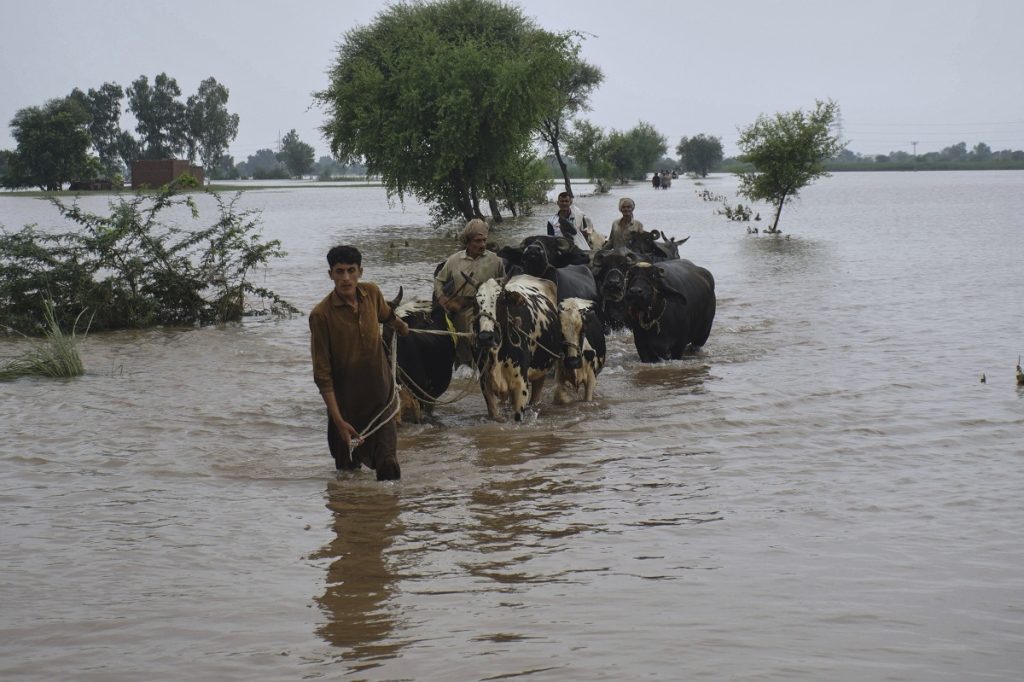
Since late August 2025, Pakistan’s eastern Punjab province has been grappling with catastrophic flooding. Rivers such as the Ravi, Sutlej, and Chenab have swollen to record levels due to relentless monsoon rains and the release of water from Indian dams . This deluge has submerged thousands of villages, particularly affecting districts like Muzaffargarh and Multan.

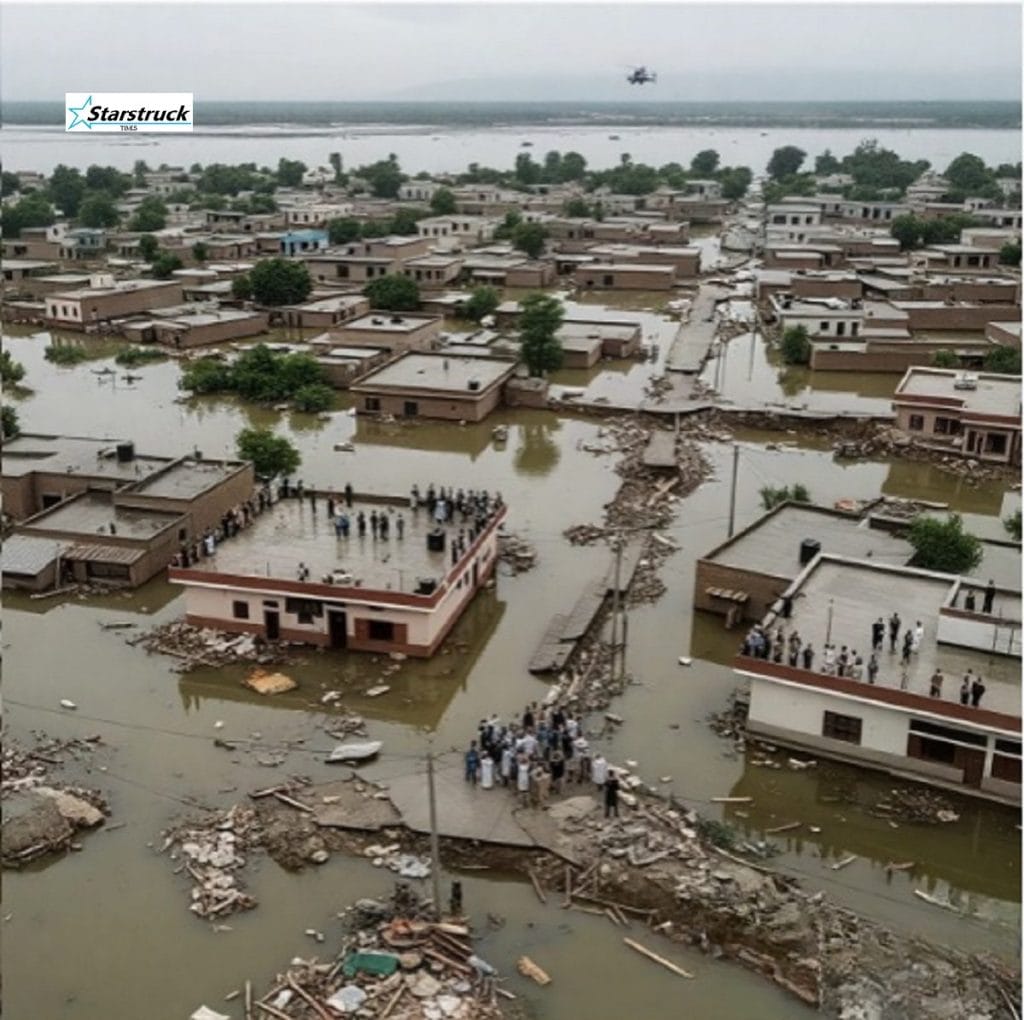
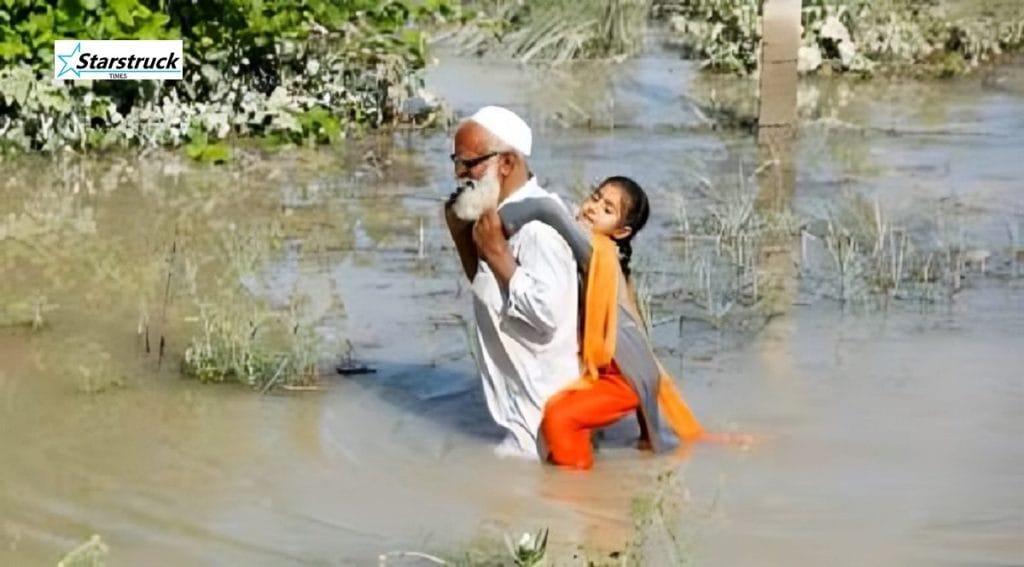
The scale of displacement is staggering, with over 1.8 million people forced to flee their homes in the past week alone . Emergency shelters are overwhelmed, and essential supplies are dwindling. The death toll has surpassed 800, with hundreds more injured.
Drone Technology: A Game Changer in Rescue Operations
In the face of such adversity, drone technology has emerged as a beacon of hope. Emergency workers have utilized drones to locate individuals stranded on rooftops and in isolated areas, delivering food, water, and medical supplies to those in dire need . These aerial devices have proven invaluable in navigating the vast floodwaters that have rendered traditional rescue methods ineffective.
The Punjab government has also employed drones to supply essentials to flood-hit villages, ensuring that even the most remote areas receive timely assistance.
Military Mobilization: Operation Rahat
In tandem with drone efforts, the Pakistani military has launched “Operation Rahat,” deploying over 50 army columns across the affected regions . These units are engaged in continuous, round-the-clock operations aimed at rescuing people stranded by the floods, restoring essential infrastructure, and providing critical relief supplies to those in need.

The collaboration between military forces and civilian agencies has been instrumental in managing the crisis, ensuring that resources are effectively mobilized and distributed.
FAQs
Q: How many people have been evacuated in Punjab due to the floods?
A: Over 900,000 individuals have been evacuated from flood-hit areas in Punjab.
Q: What role are drones playing in the rescue operations?
A: Drones are being used to locate stranded individuals, deliver supplies, and assess damage in flooded regions.
Q: How is the military assisting in the flood relief efforts?
A: The Pakistani military has launched “Operation Rahat,” deploying over 50 army columns to rescue people, restore infrastructure, and provide relief supplies.
Q: What is the current death toll from the floods?
A: The death toll has surpassed 800, with hundreds more injured.
Q: Are there any international alerts regarding the floods?
A: Yes, India has issued multiple alerts to Pakistan regarding potential flooding due to dam discharges.
The scale of the disaster in Punjab is overwhelming, but collective action can make a difference. Support relief efforts by donating to reputable organizations, volunteering your time, or spreading awareness about the ongoing crisis. Every contribution counts in helping those affected rebuild their lives.