Fatal jet crash near Ankara kills Libya’s top military leader, raising regional security concerns and triggering national mourning.
Ankara, Turkey — Star Struck Times
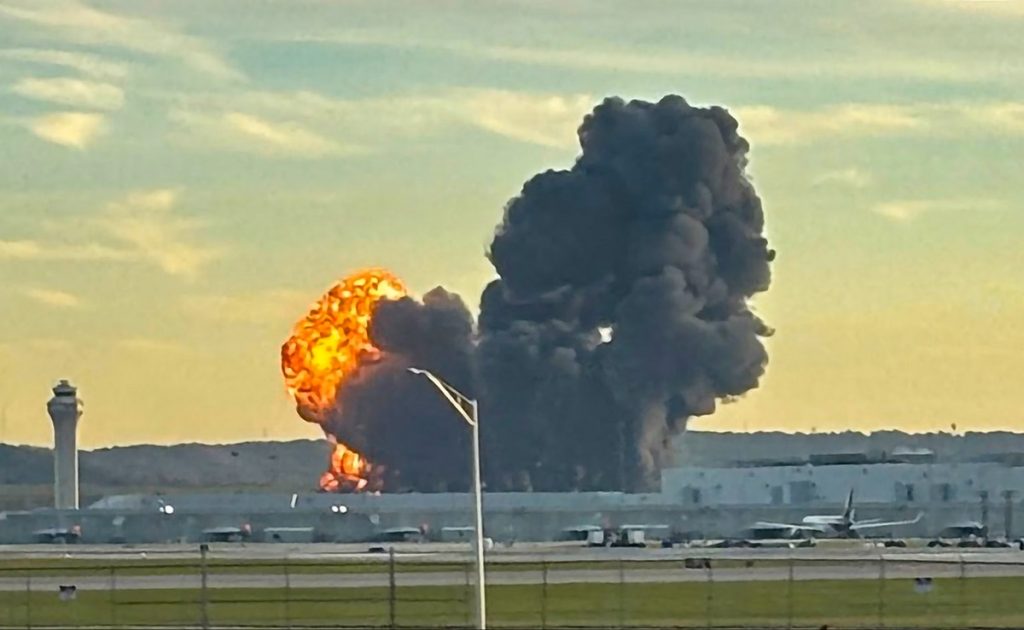
Libya’s army chief of staff, General Mohammed Ali Ahmed al-Haddad, was killed in a plane crash near Ankara, Turkey, on December 24, 2025, according to international news agencies. The incident occurred shortly after takeoff as the aircraft was returning to Tripoli, killing all eight people on board. The death of Libya’s highest-ranking military official has sent shockwaves through the country’s fragile political and security landscape, prompting a national mourning period and immediate investigations by Turkish authorities.

Key Highlights
- Libyan army chief killed in Turkey plane crash
- Eight passengers died near Ankara on December 24, 2025
- Electrical malfunction reported before crash
- Turkey launched a formal aviation investigation
- Libya declared three days of national mourning
What Sparked the Tragedy?
A private jet carrying senior Libyan military officials crashed shortly after departing from an airport near Ankara, Turkish authorities confirmed. The aircraft was en route back to Libya when the crew reportedly experienced an electrical malfunction, prompting an emergency landing request. Minutes later, radar contact was lost.
The crash killed eight people, including General al-Haddad, who served as Libya’s army chief of staff and was considered a key stabilizing figure within the military establishment. According to Reuters, Turkish investigators have recovered the flight data and cockpit voice recorders, which are now under analysis.
The incident occurred on Turkish soil, and officials from Turkey’s aviation and defense authorities have launched a formal investigation. The crash was not linked to hostile activity, according to preliminary assessments cited by state officials.
How Fans and Social Media Reacted
Public reaction across Libya and the wider region has been swift and emotional. Many Libyans expressed grief and uncertainty, while others highlighted the timing of the incident amid ongoing regional tensions. On social media platforms, posts ranged from condolences and tributes to concerns about Libya’s security future.

Some commentators emphasized unity, noting that condolences came from rival political and military factions, an uncommon development in Libya’s divided political environment. Others questioned aviation safety protocols and called for transparency in the investigation. Overall sentiment reflected a mix of mourning, concern, and cautious restraint rather than political escalation.
Why This Story Matters
The death of Libya’s army chief goes beyond a tragic accident — it represents a significant institutional loss for a country still navigating post-conflict governance. General al-Haddad was a central figure in maintaining coordination between military units during a sensitive phase of national rebuilding.
From a regional perspective, the incident highlights the interconnected nature of Middle Eastern and North African security, particularly Libya’s reliance on international travel and diplomatic engagement. Any disruption in military leadership can affect stability, border control, and counterterrorism coordination.
Media analysts believe the unified response from rival Libyan factions underscores how critical al-Haddad’s role was in balancing competing interests. His death may test existing command structures and succession plans within the Libyan armed forces.
At an industry level, the crash also renews focus on private aviation safety for government and military travel, an issue that has drawn scrutiny globally after several high-profile incidents in recent years.
Neutral Analysis
Authorities have not released a final cause of the crash, and investigators have cautioned against drawing early conclusions. Technical failure remains the leading explanation based on initial flight communications. No security threat has been officially identified at this stage.
Related Developments or Past Incidents
Libya has previously faced leadership disruptions due to conflict-related violence, though aviation accidents involving top officials are rare. In recent years, regional military figures have increasingly relied on private jets for diplomatic and strategic travel.
For background on Libya’s military leadership structure, readers can explore our coverage in the Middle East Security section.
What Happens Next?
Turkey’s aviation authorities are expected to release preliminary findings once data analysis is complete. Libya’s interim leadership will likely announce temporary command arrangements in the coming days. While public attention remains high, officials on both sides have emphasized calm and continuity.
Whether this tragedy reshapes Libya’s military direction will depend on how smoothly leadership transitions are handled in the weeks ahead.
FAQs
Who died in the Libyan plane crash?
Libya’s army chief of staff, General Mohammed Ali Ahmed al-Haddad, died along with seven other passengers in a private jet crash near Ankara, Turkey, on December 24, 2025.
What caused the plane crash in Turkey?
Preliminary reports indicate an electrical malfunction shortly after takeoff. Investigators are analyzing recovered flight recorders to determine the exact cause.
Did Libya declare national mourning?
Yes. Libyan authorities announced three days of national mourning following the confirmation of General al-Haddad’s death.
Stay informed with verified global developments.
Follow Star Struck Times for breaking international news and deep-dive analysis.
© 2025 Star Struck Times. All rights reserved.