


Washington, United States — Star Struck Times
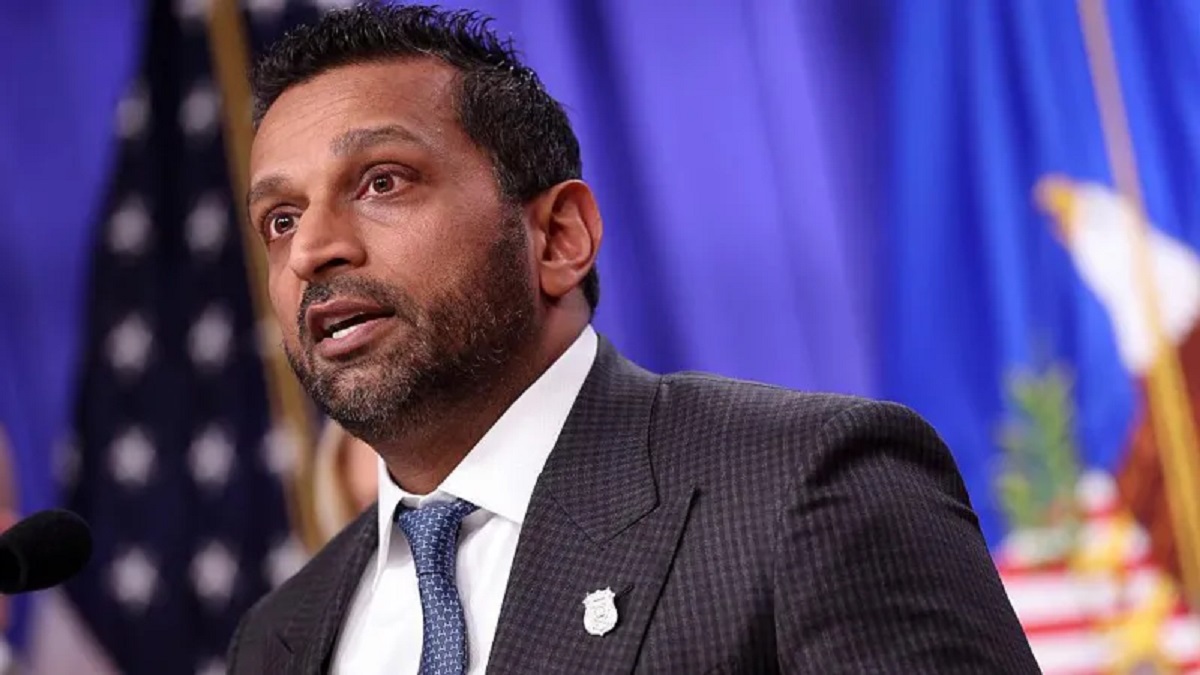
A cyberattack targeting cybersecurity news has raised concerns after Iran-linked hackers claimed to have breached FBI Director Kash Patel’s personal email account. The group, calling itself the Handala Hack Team, published alleged private photos and documents online on March 28, 2026, escalating tensions between Washington and Tehran. U.S. officials confirmed the incident but stressed that no classified government data was compromised. The breach highlights ongoing geopolitical cyber warfare and the vulnerabilities of even top-level officials in an era of sophisticated digital espionage.
Key Highlights
- Iran-linked group Handala Hack Team claimed responsibility for hacking Kash Patel’s personal email
- Alleged private photos and documents surfaced online with the group’s watermark
- FBI confirmed a breach but stated no government or classified data was accessed
- The incident follows recent U.S. seizures of domains tied to Iranian cyber operations
- The Justice Department is offering $10 million for information on those responsible
What Happened in the Kash Patel Email Hack
According to officials, the cyberattack targeted Kash Patel’s personal email account, not his official government systems. On Friday, March 28, 2026, the Handala Hack Team uploaded what they claimed were Patel’s resume and private photos to their website, accompanied by a provocative message criticizing U.S. cybersecurity defenses.

The hackers wrote: “This is just our beginning… If your director can be compromised this easily, what do you expect from your lower-level employees?”
The FBI confirmed awareness of malicious actors targeting Patel but clarified that the accessed material was “historical in nature” and contained no classified or official data. This distinction is critical because a breach of government systems would have triggered a national security emergency.
Reports from BBC News and CBS News suggest that similar attempts to access Patel’s communications had been detected in 2024, weeks before he assumed leadership of the FBI.
Public Reaction and Official Response
The leak quickly spread across social media platforms, with images allegedly taken from Patel’s inbox circulating with Handala’s logo watermarked over them. The authenticity of these materials has not been independently verified by major news organizations.

A spokesperson for the FBI stated:
“The Bureau is fully aware of malicious actors targeting personal accounts of public officials and is working with federal partners to investigate the incident.”
Meanwhile, the U.S. Department of Justice reiterated that it continues to offer a $10 million reward for information leading to the identification or arrest of individuals associated with the group. The department had earlier seized multiple domains linked to Handala, accusing them of spreading propaganda and conducting psychological operations on behalf of Iran’s intelligence apparatus.
Cybersecurity analyst Mark Sullivan told Reuters
“This incident underscores a growing trend where state-linked groups target personal digital accounts to create embarrassment and public pressure rather than to steal classified intelligence.”
Online reactions were divided. One social media user wrote, “If they can hack the FBI director’s email, what chance do ordinary people have?” while another criticized the leak as “a propaganda stunt rather than a real intelligence victory.”
Why the Kash Patel Hack Matters Globally
The cyberattack carries geopolitical significance beyond personal embarrassment. U.S. officials have repeatedly accused Iran’s Ministry of Intelligence and Security (MOIS) of coordinating cyber operations aimed at psychological warfare, data theft, and disruption of Western institutions.
Handala claimed that the breach was retaliation for the U.S. seizure of its domains and ongoing cyber operations against Iranian infrastructure. This tit-for-tat dynamic illustrates how cyberattacks are increasingly used as tools of diplomacy and retaliation rather than purely espionage tactics.
Media analysts believe that the leak was designed to undermine public trust in American cybersecurity institutions. The hackers’ message openly mocked the FBI’s reputation for digital security, suggesting a deliberate attempt to damage institutional credibility rather than extract intelligence.
Context: Previous Attacks Linked to Handala
The Handala Hack Team has previously claimed responsibility for multiple cyber incidents, including an attack earlier in March 2026 on U.S. medical technology firm Stryker, where the group alleged it wiped data from thousands of systems.
In that case, the hackers framed their actions as retaliation for geopolitical tensions related to Middle East conflicts. U.S. officials, however, described the operation as part of a broader Iranian cyber campaign aimed at Western corporate and government targets.
The Justice Department has stated that domains associated with Handala were used not only for hacking claims but also for spreading propaganda and issuing threats against journalists and dissidents.
Unique Angle: The Rising Risk of Personal Account Exploits
Unlike traditional cyber espionage, which focuses on government networks, this incident highlights a growing strategy: targeting personal digital accounts of high-ranking officials. Security experts warn that personal accounts often lack the multi-layered protection of government systems, making them easier targets.
This tactic allows attackers to generate maximum public impact while avoiding the severe retaliation that would likely follow a direct breach of classified networks. As cyberwarfare evolves, personal digital hygiene is becoming a national security issue, not just a private concern.
What Happens Next
Federal investigators are working to determine whether the materials released by the hackers are authentic and to identify the individuals behind the Handala group. Additional sanctions, diplomatic protests, or cyber countermeasures remain possible as part of the U.S. response.
If confirmed, the breach could prompt stricter cybersecurity protocols for senior officials’ personal communications, including mandatory secure email platforms and enhanced monitoring of private accounts.
Frequently Asked Questions
Was classified information leaked in the Kash Patel email hack?
No. The FBI confirmed that the accessed information was historical and contained no government or classified material.
Who is the Handala Hack Team?
Handala is believed to be an Iran-linked hacking group accused by U.S. officials of conducting cyberattacks and online propaganda campaigns.
When did the Kash Patel email breach occur?
The group published alleged materials on March 28, 2026, though earlier attempts to access his communications were reported in 2024.
Has the FBI confirmed the authenticity of the leaked photos?
No major news organizations or federal agencies have independently verified the authenticity of the materials.
What action is the U.S. government taking?
The Department of Justice is offering a $10 million reward for information leading to the identification of those responsible for the cyberattack.
Sources
- BBC News
- CBS News
- Reuters

