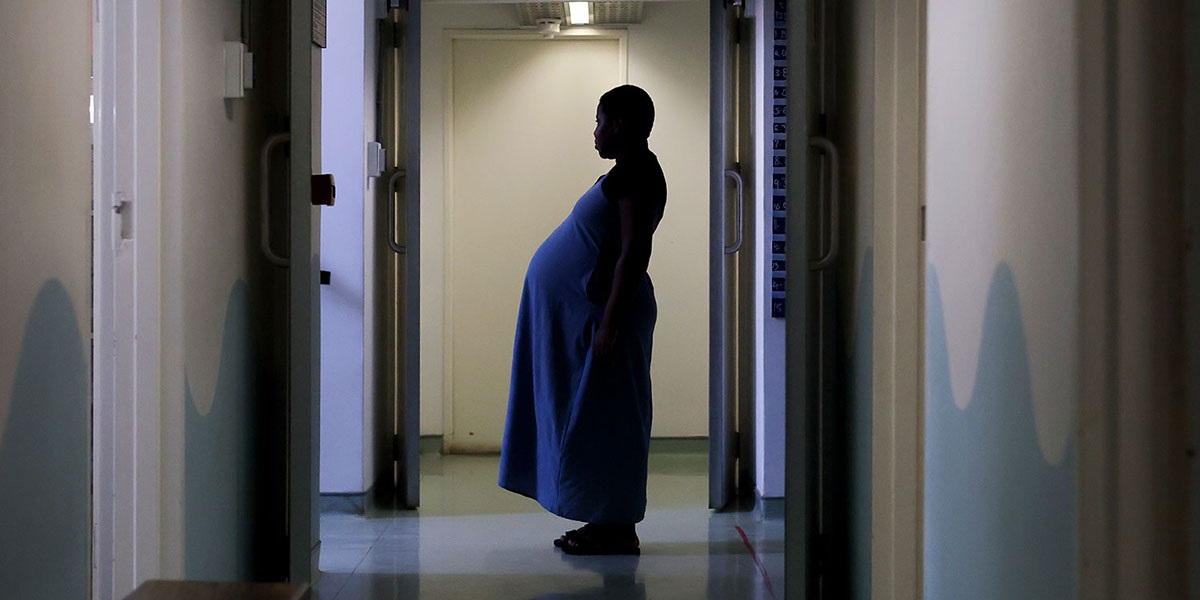
Rising temperatures are creating additional health risks for pregnant women and their babies.
October 31, 2026 | Star Struck Times
Key points
A Reuters investigation links extreme heat exposure during the final month of pregnancy to higher rates of premature births.
An analysis of 8.3 million births in Mexico found an 18% increase in the preterm birth rate among women experiencing the most extreme heat exposure.
Heat exposure was also associated with pregnancy complications, including pre-eclampsia, stillbirth and placental problems.
Researchers warn that women in temperate and cooler climates are also vulnerable.
Limited access to air conditioning and other cooling resources can make the risks harder to manage for disadvantaged pregnant women.
The growing threat of extreme heat to pregnant women
Extreme heat is emerging as a significant threat to maternal and newborn health, with new findings linking heat waves to premature births and serious pregnancy complications. A Reuters investigation published on October 30, 2026, found that the rate of premature births in Mexico increased by as much as 18% among women exposed to the most severe heat conditions during the final four weeks of pregnancy.
The findings add to growing medical evidence that climate change is not only an environmental concern but also a direct public health challenge, particularly for pregnant women and developing babies.
Why the findings matter beyond Mexico
The investigation examined more than 34 million birth records held by Mexico’s Health Ministry between 2008 and 2025. Reuters selected Mexico because its national records contain information about birth dates, gestational age, mothers’ ages and municipalities of residence.
For its main comparison, the investigation examined 8.3 million births during the hottest seasons across the country.
The findings showed:
About 7.2% of babies were born prematurely when mothers had no recorded heat-wave or heat-storm exposure during the final four weeks of pregnancy.
The rate increased to 8.5% among mothers experiencing the most extreme exposure.
When heat waves or heat storms occurred during the final month of pregnancy, the overall preterm birth rate increased by approximately 6.5%.
The researchers estimated that the association translates to more than 1,400 additional premature births annually during Mexico’s hot seasons.
Premature birth generally refers to delivery before 37 completed weeks of pregnancy. Babies born early can face breathing difficulties, feeding problems and other complications requiring specialized medical care.
Importantly, the Mexican analysis identifies an association rather than proving that heat alone caused individual premature births. Its database did not contain detailed information about pre-existing maternal conditions, including diabetes and high blood pressure, or socioeconomic circumstances. These limitations matter when interpreting the results.
The Mexican findings are consistent with a broader body of medical research.
A systematic review published in Nature Medicine in November 2024 examined 198 studies covering 66 countries and 23 maternal, fetal and newborn health outcomes.
Researchers found that each 1°C increase in heat exposure was associated with 4% higher odds of preterm birth. Exposure during heat waves was associated with 26% higher odds.
The review also identified associations between high temperatures and gestational diabetes, congenital abnormalities and other pregnancy complications. The researchers cautioned that differences in study methods and heat-exposure measurements limited some comparisons. Nature Medicine+1
One concern is pre-eclampsia, a potentially life-threatening pregnancy condition involving high blood pressure. Severe cases can damage organs and threaten both mother and baby.
Researchers are still investigating the precise biological mechanisms behind heat-related pregnancy complications. Possible explanations include changes in blood circulation, increased cardiovascular strain and the effects of dehydration on the pregnant body.
The US Centers for Disease Control and Prevention says pregnancy increases vulnerability to heat-related illness because the body must work harder to regulate temperature. Heat exposure has also been associated with hypertensive pregnancy disorders, premature delivery and stillbirth. CDC+1
Why women in cooler regions are not necessarily protected
One of the most important findings in the Reuters investigation is that pregnancy-related heat risks are not confined to countries with desert climates or traditionally high temperatures.
The risk can increase when temperatures rise above what is normal for a particular location. Consequently, a heat event that might appear moderate by the standards of a particularly hot country could still create significant health concerns in a cooler region.
Reuters defines a heat wave as at least five consecutive days when temperatures remain within the warmest 10% of the historical range for a particular location and date. Its investigation uses the term heat storm for a heat wave whose peak covers at least 1% of the planet.
According to the investigation, there were approximately 50 such heat storms during the 1960s. More than 665 have occurred so far in the 2020s, illustrating the growing geographical scale of extreme heat events. reuters.com+1
This distinction is important because public health planning cannot rely exclusively on fixed temperature thresholds. Local climate patterns, exposure duration and individual health circumstances also influence vulnerability.
The unequal burden of staying cool
Access to protection is another important part of the problem.
Pregnant women who can remain indoors, use air conditioning, adjust working hours and obtain regular medical care may have more options for managing extreme temperatures.
Women working outdoors, living in poorly ventilated homes or lacking reliable electricity may have fewer opportunities to escape the heat.
The Reuters investigation highlights the contrast between women able to limit outdoor activity and those whose housing and employment conditions make cooling difficult.
The World Health Organization’s European guidance recommends reducing exposure during extreme heat, spending time in air-conditioned places where possible, limiting strenuous activity and maintaining adequate hydration. who.int
For countries such as Pakistan, India and other parts of South Asia, this raises an important public health question: whether existing heatwave plans adequately account for pregnant women, particularly those who cannot afford private cooling or avoid outdoor work.
The Mexican findings should not be treated as a direct estimate of pregnancy risks in Pakistan. Local research is needed to measure the relationship between heat exposure, maternal health and premature delivery in South Asian populations.
What health systems need to consider
The growing evidence suggests that maternity services should treat extreme heat as a relevant pregnancy-health risk rather than exclusively an environmental emergency.
The CDC advises healthcare professionals to discuss heat exposure with pregnant patients, assess individual vulnerabilities and develop heat-action plans. Its clinical guidance notes that even a single day of high heat may increase health risks. CDC
Practical measures include:
Making safe drinking water and shaded resting areas more accessible.
Helping pregnant women recognize heat exhaustion and dehydration.
Providing access to cooler environments during dangerous heat.
Considering heat exposure during routine antenatal consultations.
Strengthening monitoring and referral arrangements during heatwaves.
The central challenge is not simply predicting hotter weather. It is ensuring that maternity services, public health authorities and communities recognize who is most vulnerable and provide protection before complications develop.
The Reuters investigation adds substantial new evidence to an issue that has received comparatively limited attention in everyday pregnancy advice. Its findings do not establish that every premature delivery during a heatwave is caused by climate change. They do, however, strengthen the case for treating extreme heat as a serious and increasingly important maternal-health concern.
Hello! I'm M Muzamil Shami, the founder and lead editor of Star Struck Times, your trusted source for trending news, entertainment scoops, celebrity gossip, sports highlights, and global headlines.
With a passion for storytelling and journalism, I created this platform to bring you breaking news, viral moments, and deep insights into the worlds of Bollywood, Hollywood, sports, politics, tech, and more — all in one place.