Sindh’s Flood Nightmare: Why 100,000 Lives Were Uprooted Overnight
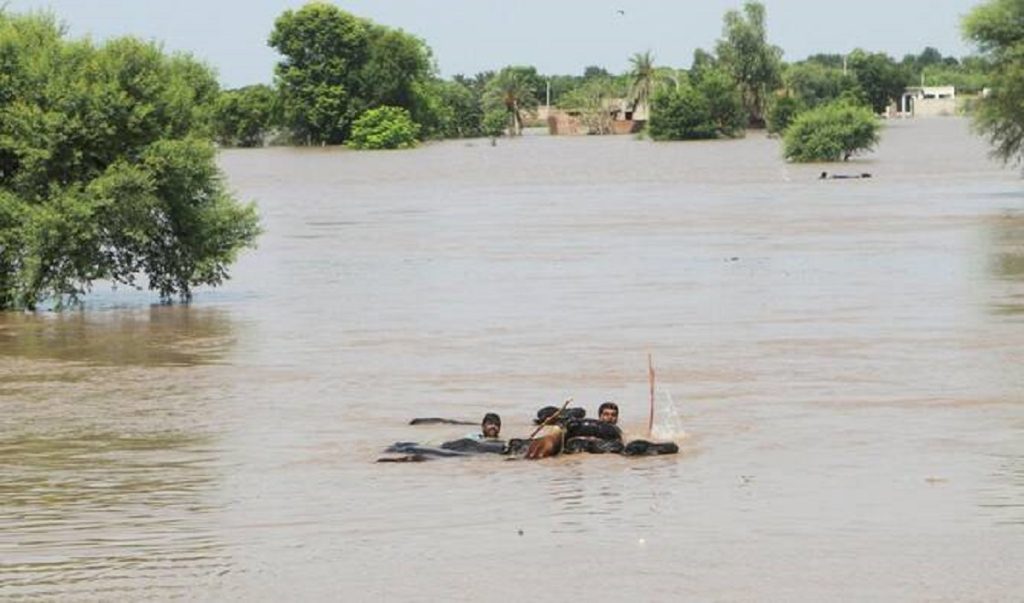
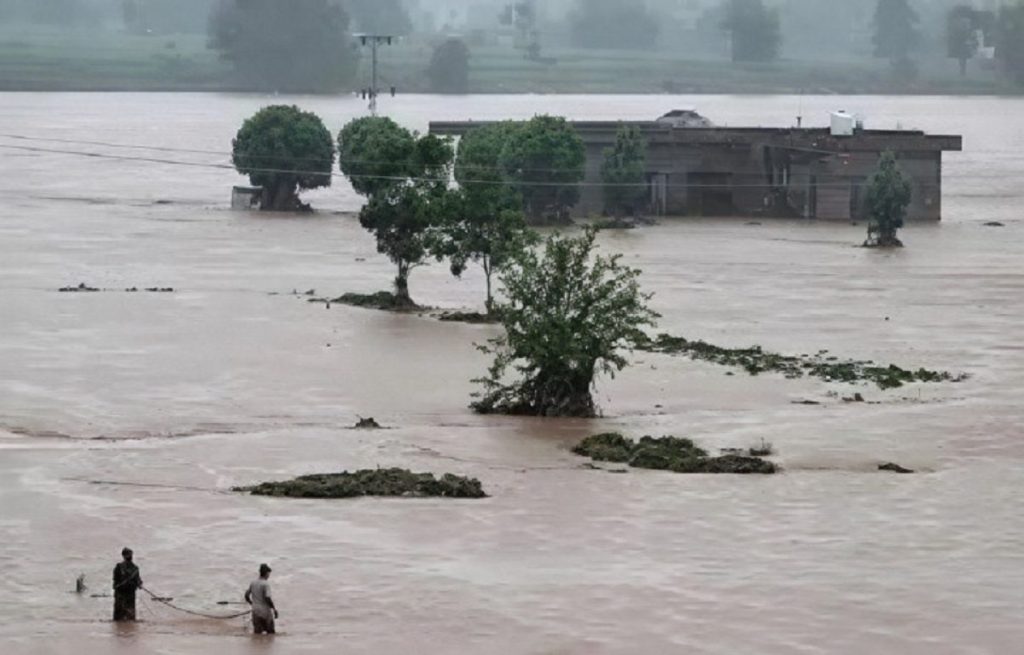
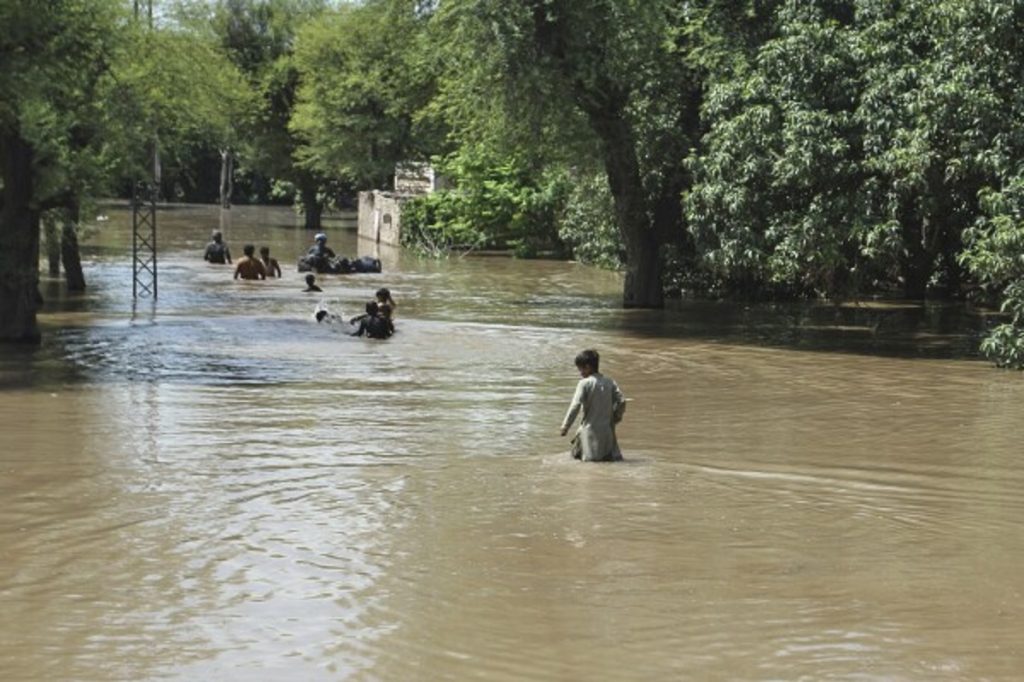
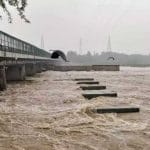
Karachi (Star Struck Times) — As the mighty Indus River swells beyond its banks, Pakistan has launched one of its largest flood evacuations in recent years. The southern province of Sindh is bracing for disaster as officials confirm that over 100,000 residents have been forced to flee their homes amid rising waters and fears of catastrophic breaches.
AP News first broke the story, detailing the mounting pressure on Sindh’s flood protection systems after relentless monsoon rains hammered the region for days. What began as seasonal flooding has spiraled into a full-blown humanitarian emergency.

Key Points
- Sindh province evacuates 100,000 people amid rising Indus River floodwaters.
- Monsoon rains and climate change intensify flooding risks.
- Government criticized for delayed response, while officials defend evacuation efforts.
- Relief camps face overcrowding, sanitation, and water challenges.
- Military deployed to reinforce embankments and assist evacuees.
A Nation on Edge: The Background
Pakistan has long struggled with the destructive force of seasonal monsoons, but the scale of this year’s flooding is alarming. Sindh, home to more than 50 million people, lies directly along the path of the Indus River—a waterway that often becomes a nightmare during peak monsoon.
Climate experts have repeatedly warned that global warming is intensifying Pakistan’s flood risks. “We are seeing climate extremes become the new normal. Pakistan’s infrastructure is not equipped for this scale of disaster,” explained Dr. Farzana Shaikh, an environmental analyst.
The Evacuation Order: Fear Turns to Chaos
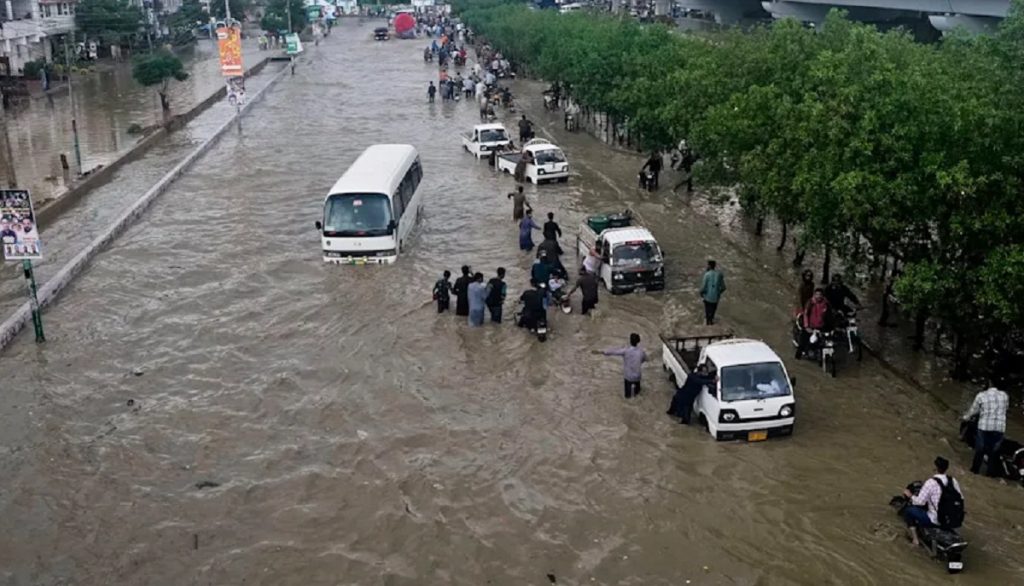
On Friday evening, authorities issued an urgent order to evacuate low-lying districts in Sindh. Buses, military trucks, and even private vehicles joined the race against time to relocate entire villages.
“We had no choice. The river is rising faster than we can build barriers,” said Sindh provincial official Abdul Rahman in a televised briefing.

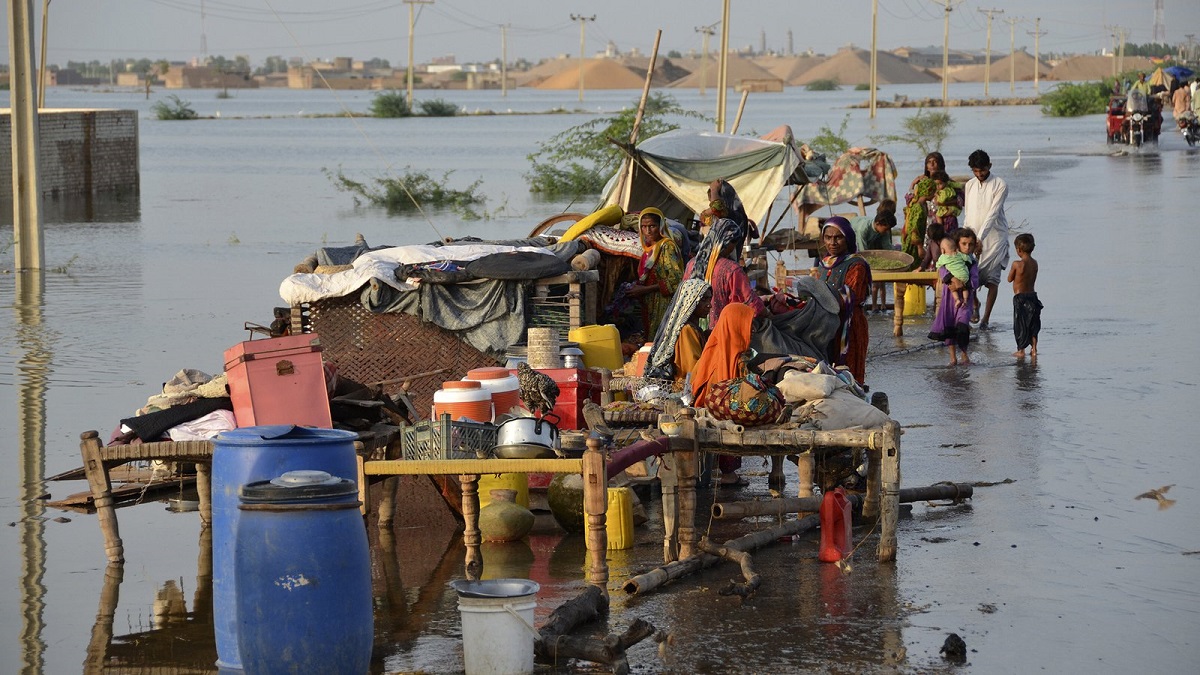
Families rushed to gather belongings, with many carrying only what they could hold. Footage circulating online showed long lines of evacuees trudging along muddy roads, while others clung to livestock—the only wealth they own.
Escalation: Rising Waters and Growing Anger
As floodwaters advanced, frustration boiled over. Critics accused the government of poor planning and delayed response. Social media hashtags like #SindhFloods and #WhereIsTheRelief trended overnight, with citizens posting videos of submerged homes and stranded families.
“We kept asking for drainage improvements for years. Nobody listened. Now our homes are gone,” lamented Jamila, a resident of Sukkur district.
Opposition politicians seized the moment, demanding accountability from ruling officials. “The government’s negligence has turned a natural disaster into a man-made tragedy,” tweeted opposition leader Bilawal Shah.
Defence: Officials Push Back
Government representatives, however, argue that evacuation efforts saved lives. “Had we not acted when we did, the death toll could have been catastrophic,” stated Federal Minister for Climate Change, Sherry Rehman. She urged citizens to cooperate and avoid returning to danger zones prematurely.
Military units were also deployed to reinforce embankments and provide food aid in temporary shelters. “Our forces are on the ground 24/7 to protect citizens,” an army spokesperson confirmed.
The Human Cost: Stories of Survival
Behind the statistics are stories of heartbreak. A farmer from Larkana, clutching his young daughter, told reporters: “The flood took my fields, my house, everything. All I have left is my family.”
Aid groups warn of looming shortages in relief camps, where overcrowding and unsanitary conditions threaten outbreaks of disease. UNICEF has already flagged concerns over safe drinking water for children.
Conclusion: A Crisis That Won’t End Soon
Experts say Sindh may remain at risk for weeks, as upstream rains continue to feed the Indus. Pakistan’s long-term battle with climate resilience is once again in the spotlight.
“Unless Pakistan invests heavily in flood defences and climate adaptation, tragedies like this will repeat every year,” warned Dr. Shaikh.
For now, over 100,000 displaced Sindh residents wait in limbo, uncertain when—or if—they will be able to return home.
FAQs
Q1: Why did Sindh evacuate over 100,000 people?
Heavy monsoon rains and swelling Indus River levels created life-threatening flood risks, forcing authorities to relocate vulnerable communities.
Q2: How severe is the flooding in Sindh?
The floods are among the worst in recent years, with vast low-lying areas submerged and fears of embankment breaches.
Q3: What role does climate change play in Pakistan’s floods?
Experts say rising global temperatures intensify monsoon patterns, leading to more destructive flooding in Pakistan.
Q4: How is the government responding to the crisis?
Authorities issued mass evacuation orders, deployed military units, and established temporary shelters to protect displaced residents.
Q5: What challenges do evacuees face in relief camps?
Overcrowding, poor sanitation, and limited access to clean drinking water pose serious health risks in shelters.
Have you or your family been affected by Pakistan’s historic floods? Share your story in the comments below and help raise awareness. Don’t forget to follow Star Struck Times for the latest updates on climate and world news.