MUMBAI, India — October 8, 2026
Veteran actor and filmmaker Nana Patekar has died at the age of 75 after being found unresponsive at his residence in Dona Paula, Goa, early Thursday morning. His death was confirmed by his son, Malhar Patekar, while doctors at Manipal Hospital said he had suffered a cardiac arrest. His last rites were being held at his farmhouse in Donje near Pune with full state honours on Thursday evening.
Key points
- Nana Patekar died at 75 after being found unresponsive at his Goa residence.
- Doctors attempted CPR for about 45 minutes before he was declared dead at around 5:20 a.m.
- A medico-legal case was registered, with a post-mortem ordered to establish the precise medical cause.
- Maharashtra announced a state funeral in recognition of his contribution to theatre and Hindi and Marathi cinema.
- Prime Minister Narendra Modi, Shah Rukh Khan, Akshay Kumar and other prominent figures paid tribute to the veteran performer.
What happened to Nana Patekar?
According to Manipal Hospital doctor Shekhar Salkar, Patekar had messaged a friend at around 2:30 a.m. saying that he was unwell. The friend later reached his home, where Patekar was found unresponsive.

A medical team began resuscitation efforts at the residence and continued CPR while he was transported to Manipal Hospital. Doctors were unable to revive him, and he was declared dead at approximately 5:20 a.m.
The hospital described the incident as cardiac arrest, but doctors also made clear that the exact underlying cause had not yet been established. Because Patekar was brought to the hospital without signs of life, authorities registered a medico-legal case and arranged a post-mortem.
That distinction is important as searches for terms such as “Nana Patekar death reason” and “how did Nana Patekar die” surged online following news of his death. At the time of publication, cardiac arrest is the reported immediate medical event, while the precise underlying cause should not be presented as confirmed until the post-mortem findings are available.
State funeral in Pune
The Maharashtra government decided that Patekar would receive a state funeral, citing his contribution to Marathi theatre as well as Marathi and Hindi cinema.
His mortal remains were transported from Goa to Pune, where his final rites were scheduled at his Donje farmhouse. Dignitaries, colleagues and admirers gathered to pay their respects as the funeral proceedings took place Thursday evening.
Tributes pour in
Prime Minister Narendra Modi remembered Patekar as an actor whose intensity and individuality made him stand apart. Modi said the actor’s contribution to Hindi and Marathi cinema was immense and that the characters he created would be remembered for generations.
Shah Rukh Khan also paid a lengthy tribute, recalling his first meeting with Patekar while working on Raju Ban Gaya Gentleman. Khan remembered the veteran as a mentor, critic and friend and reflected on the direct advice Patekar gave him early in his career.

Akshay Kumar described Patekar as one of the rare performers who could command attention without overplaying a scene, while Riteish Deshmukh remembered his distinctive acting style and personal guidance.
A five-decade career
Born Vishwanath Patekar in Maharashtra in 1951, Nana Patekar began his career in theatre before making his film debut in Gaman in 1978.
He became one of India’s most respected performers through films including Parinda, Prahaar, Krantiveer, Agni Sakshi, Khamoshi: The Musical, Ab Tak Chhappan, Raajneeti and Natsamrat. He also reached a much wider mainstream audience through his comic performance as Uday Shetty in Welcome.
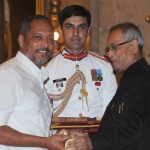
Patekar won three National Film Awards during his career and was awarded the Padma Shri in 2013.
His influence extended beyond cinema. He was involved in charitable work through the Naam Foundation, which he co-founded with actor Makarand Anaspure to support drought-affected farmers and rural communities.
Patekar’s death closes a career spanning nearly five decades and leaves Hindi and Marathi cinema without one of its most recognisable and unconventional voices.