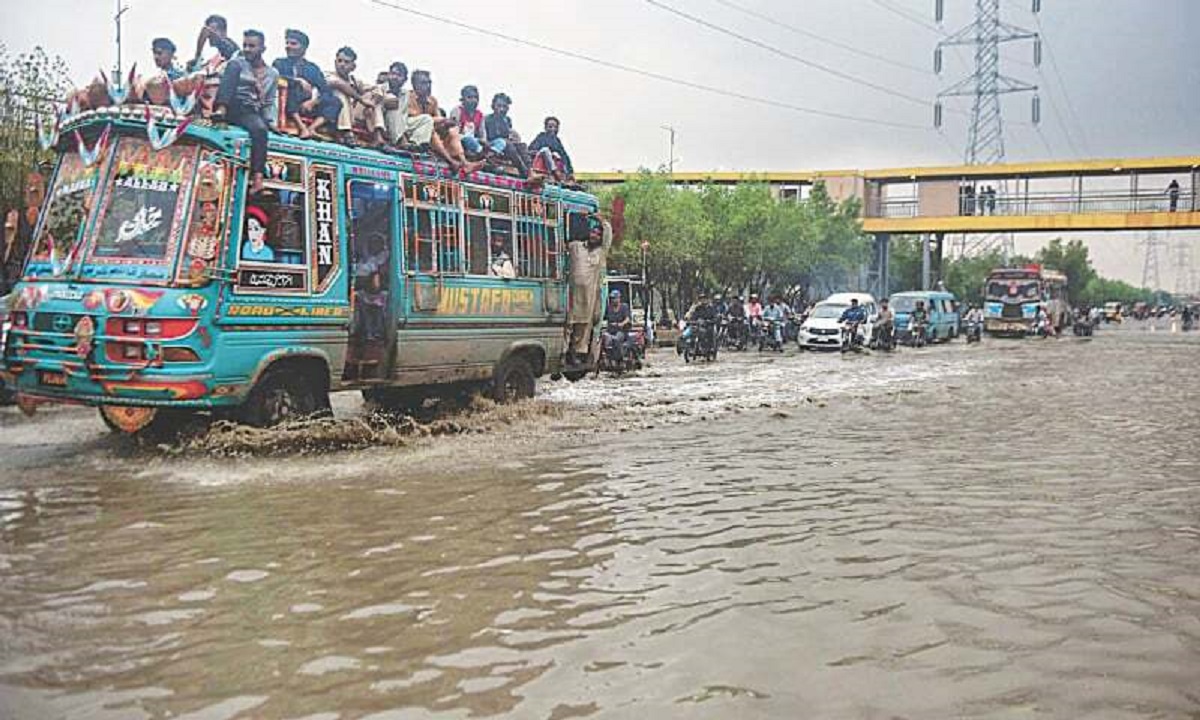
At least six people, including a young child, lost their lives as relentless rain battered Karachi on Thursday, triggering widespread urban flooding, power hazards, and citywide disruption. The casualties, caused by electrocution and structural collapse, expose once again the fragile urban infrastructure of Pakistan’s largest city. As roads turned into rivers and traffic came to a standstill, authorities scrambled to respond—raising urgent questions about preparedness, safety, and accountability.
For more updates, visit our WeatherNews section: StarStruckTimes.com
Key Highlights
Six deaths reported, including a 12-year-old girl
Electrocution and wall collapse were primary causes
69.6mm rainfall recorded in Nazimabad—the highest in the city
Major roads flooded; traffic paralyzed across key arteries
Emergency camps and dewatering operations activated
More rain expected until April 4, warns Pakistan Meteorological Department
A Deadly Downpour: What Exactly Happened?
Karachi experienced intermittent yet intense rainfall throughout Thursday, impacting nearly all major districts. According to rescue officials and police, six fatalities occurred in separate incidents across the city.
In PIB Colony, a 30-year-old man, Abdul Wali, died after coming into contact with a live electric pole. Similarly, Shahabuddin, an experienced electrician, was electrocuted while repairing wiring in Ahsanabad.
Tragedy struck deeper in Surjani Town, where 12-year-old Dua Batool lost her life after touching exposed wires inside her home—an incident that has sparked outrage over unsafe electrical conditions.
Another fatality occurred in Old Golimar, where a collapsing wall crushed a passing rickshaw, killing driver Irshad Ali instantly. Meanwhile, three children were injured in Orangi Town due to another wall collapse.
Heavy rainfall measurements included:
Nazimabad: 69.6mm
Kemari: 56mm
Bahria Town: 43.5mm
University Road: 44.2mm
Public Reaction and Official Response
Residents took to social media to express anger and frustration:
“Every year it’s the same story—rain, deaths, and no accountability,” one user posted. “Why are exposed wires still a problem in 2026?” questioned another.
Karachi Commissioner Syed Hassan Naqvi confirmed that emergency camps had been set up across districts. Dewatering operations were launched to clear flooded roads.
Karachi Mayor Barrister Murtaza Wahab directed municipal teams to remain on high alert, while the Karachi Metropolitan Corporation (KMC) claimed over 50 drainage choke points had been cleared in recent weeks.
Traffic police also issued advisories, urging citizens to avoid waterlogged roads and maintain distance from electric infrastructure.
City in Chaos: Traffic, Flooding & Daily Life Disrupted
The rain didn’t just claim lives—it brought Karachi to a grinding halt.
Major routes including Shahrah-e-Faisal, Rashid Minhas Road, Korangi Road, and Saddar witnessed severe traffic jams. Commuters were stranded for hours as waterlogging crippled mobility.
Diversion plans were implemented, rerouting traffic through alternative corridors such as:
Tariq Road
Stadium Road
Bahadurabad Char Minar
Despite these efforts, many citizens reported delays, vehicle breakdowns, and dangerous driving conditions.
Why This Matters: A Pattern of Neglect?
This isn’t just a weather story—it’s a governance story.
Expert Insight: Urban planners argue that Karachi’s drainage system is outdated and overwhelmed by rapid population growth. Without major investment and reform, such tragedies will continue.
The involvement of the Sindh Building Control Authority (SBCA) in monitoring unsafe structures signals recognition of the problem—but critics say enforcement remains weak.
Historical Context: A City Vulnerable to Rain
Karachi has faced similar crises in past monsoon seasons. In recent years, heavy rains have repeatedly caused:
Urban flooding
Power outages
Structural collapses
Loss of life
Despite promises of reform, progress has been slow—making each rainfall a potential disaster.
What Happens Next?
The Pakistan Meteorological Department has warned that the current weather system will persist until April 4, bringing more rain, thunderstorms, and possible hailstorms.
Hello! I'm M Muzamil Shami, the founder and lead editor of Star Struck Times, your trusted source for trending news, entertainment scoops, celebrity gossip, sports highlights, and global headlines.
With a passion for storytelling and journalism, I created this platform to bring you breaking news, viral moments, and deep insights into the worlds of Bollywood, Hollywood, sports, politics, tech, and more — all in one place.