


SAN FRANCISCO, November 12, 2026
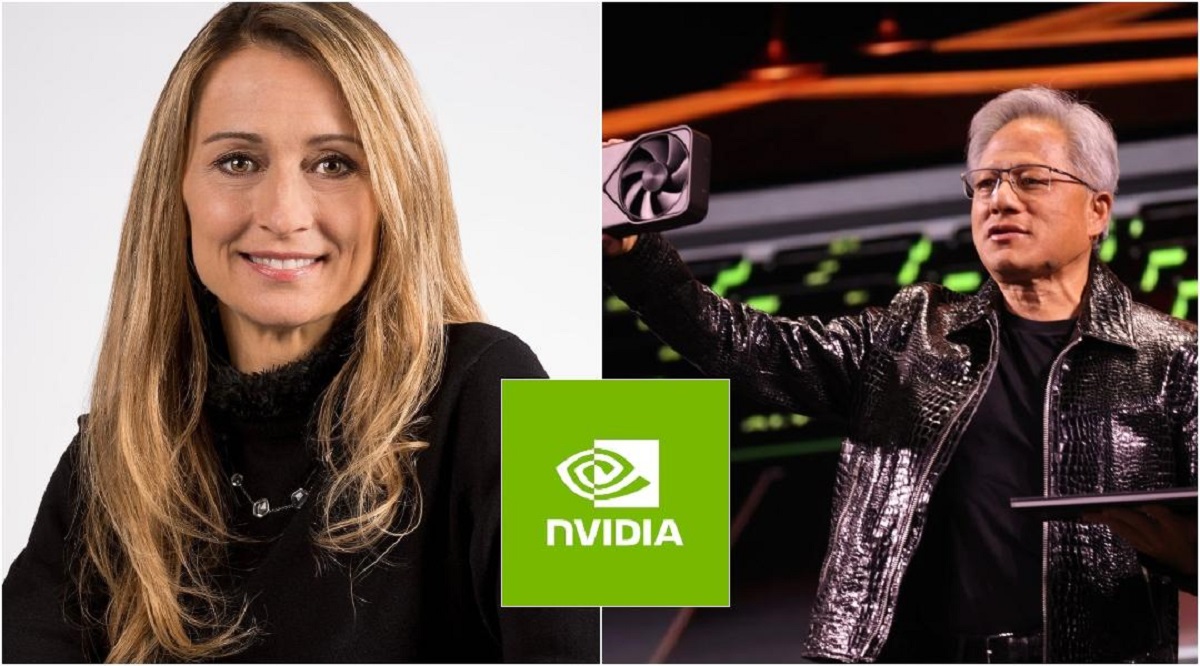
Nvidia co-founder Jensen Huang has resigned as chief executive officer of the world’s leading artificial intelligence chipmaker following a growing controversy involving reported extramarital relationships and national security concerns. The company’s board has appointed longtime Chief Financial Officer Colette Kress as interim CEO while it searches for a permanent successor, according to an official Nvidia announcement.
The departure marks a dramatic leadership change at a company central to the global artificial intelligence industry. Huang, who co-founded Nvidia more than three decades ago, helped transform it into one of the world’s most influential technology businesses.

Key Points
- Jensen Huang has resigned as Nvidia’s CEO and board member, effective immediately.
- CFO Colette Kress has been appointed interim CEO while the board searches for a permanent replacement.
- Huang previously acknowledged being unfaithful to his wife and apologized to his family and Nvidia employees.
- Reports linking him to a Chinese businesswoman suspected of espionage triggered national security concerns and an independent board investigation.
- Nvidia shares experienced a sharp decline as investors assessed the leadership uncertainty.
Why Did Jensen Huang Leave Nvidia?
The controversy surrounding Huang intensified after reports connected him to Alice Huang, a former executive at Singapore-based technology company Megaspeed International.
US intelligence concerns reportedly centered on whether Alice Huang had connections to Chinese intelligence and whether her relationship with the Nvidia chief could have provided opportunities to obtain sensitive business information.
Huang acknowledged in a November 8 message to Nvidia employees that he had been unfaithful to his wife. He apologized to his family and colleagues but did not identify the person involved in the message.
Nvidia’s board subsequently announced an independent investigation into reports that its founder had been targeted by a foreign intelligence operation.
In its November 8 statement, the company said it had no reason to believe that Nvidia’s confidential information or US national security had been compromised. However, it said the investigation would examine all available information.
The distinction remains important: the reported espionage allegations have not been established as proven criminal conduct.
Colette Kress Takes Over as Interim CEO
Nvidia has selected Colette Kress, its longtime executive vice president and chief financial officer, to oversee the company during the leadership transition.

Kress joined Nvidia in September 2013 and has played a significant role in managing its financial operations during its expansion into the global AI market.
According to the company’s official announcement, she will retain her CFO responsibilities while serving as interim chief executive until a permanent replacement is appointed.
The board will consider both internal and external candidates.
Nvidia has also appointed Harvey C. Jones as its first-ever chairman of the board, adding another leadership change as the company navigates the controversy.
The appointments provide an immediate management structure, but the company has not yet identified who will permanently replace Huang.
Second Affair Reports Added to the Pressure
The controversy expanded shortly before Huang’s resignation when The New York Times and other publications reported allegations of another relationship involving an Nvidia employee who reportedly worked under him.
These reports added another dimension to the questions surrounding the company’s leadership and governance.
The allegations should be distinguished from Huang’s own public admission of infidelity: the additional reported relationship has not been independently established as fact by Nvidia.
The timing nevertheless intensified pressure on a CEO whose leadership had become closely associated with Nvidia’s corporate identity and global influence.
Nvidia Shares and the Wider AI Industry Face Uncertainty
The leadership change comes at a particularly sensitive moment for the artificial intelligence industry.
Nvidia supplies advanced processors used to train and operate AI systems around the world. Its products have become essential to major technology companies, cloud providers and AI developers.
The controversy has therefore raised questions beyond the future of one executive.
Reuters reported on November 12 that Nvidia’s market value had fallen by approximately $600 billion during the week as investors reacted to the leadership crisis and broader uncertainty surrounding the AI investment market.
The concerns also extend to Nvidia’s China business. US export restrictions limit the sale of certain advanced processors to China, making the company’s relationships with overseas customers and distributors an important national security issue.
Separate reporting by Reuters has described allegations that Alice Huang’s business connections helped facilitate substantial Nvidia chip shipments to Chinese companies. Those claims remain allegations and should not be confused with an established finding that Huang personally arranged illegal shipments.
For investors, the immediate challenge is assessing whether Nvidia can maintain its commercial strategy, customer confidence and relationships with policymakers without its longtime chief executive.
What Happens Next at Nvidia?
Nvidia’s board now faces two important responsibilities: completing its investigation and identifying a permanent CEO.
US lawmakers have also sought answers from Huang about his relationship with Alice Huang and the company’s safeguards against possible espionage. The Associated Press reported that congressional questioning could continue even after his departure.
Meanwhile, the company’s announcement indicates that its existing leadership team intends to maintain customer commitments, operations and its product roadmap during the transition.
Huang’s resignation does not automatically resolve the questions surrounding the alleged foreign intelligence operation, export controls or Nvidia’s corporate governance.
For a company that has become a cornerstone of the AI economy, the biggest test may now be demonstrating that its future does not depend on a single executive.

