


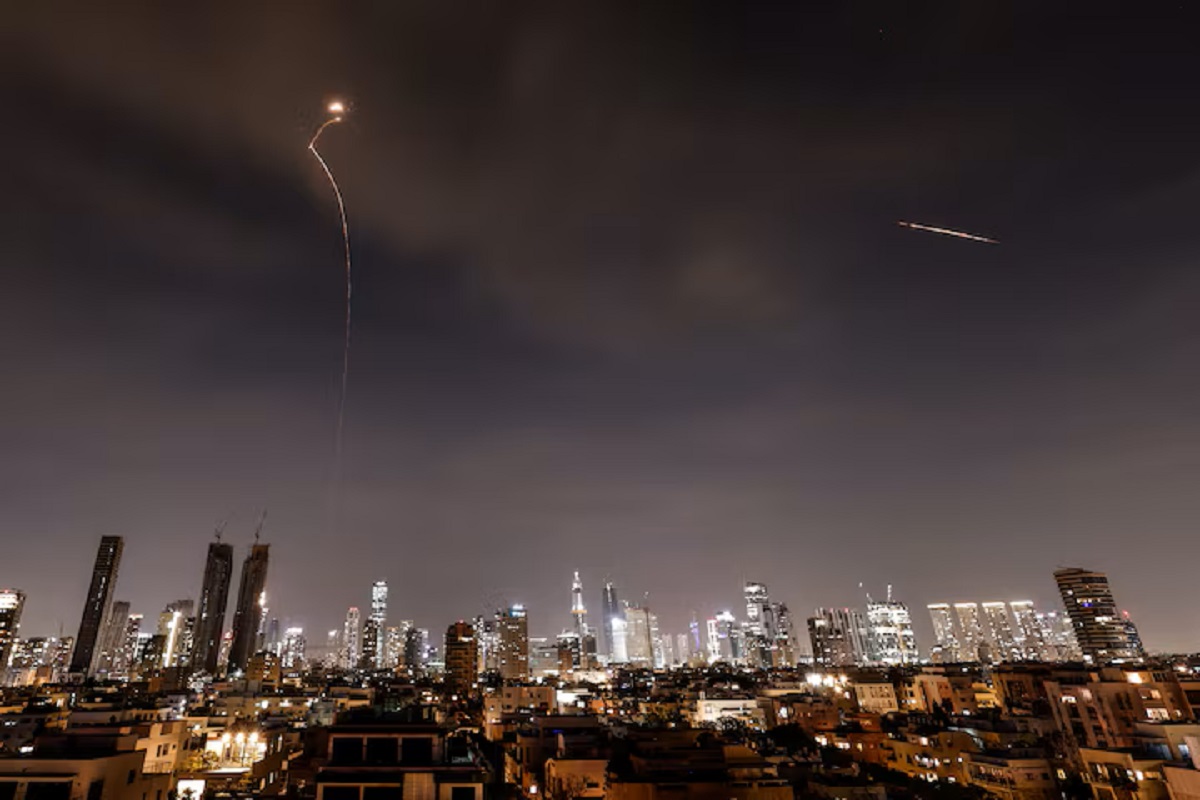
Tel Aviv, Israel — Star Struck Times
Iran fired multiple waves of missiles toward Israel on March 24, 2026, triggering air raid sirens across major cities including Tel Aviv. The strikes came amid conflicting claims over whether U.S.–Iran negotiations were underway, raising fears that diplomatic efforts to ease tensions in the Middle East may be unraveling. The situation has also rattled global markets, pushing oil prices back above $100 a barrel and reviving concerns over energy supply disruptions.
For more global developments, visit our World News category.
Key Highlights
- Iran launched multiple missile waves toward Israel, prompting air defenses to intercept incoming projectiles
- Sirens sounded in Tel Aviv; falling debris damaged homes in northern Israel
- Former U.S. President Donald Trump claimed “productive talks” with Iran, which Tehran dismissed as “fake news”
- Oil prices surged again above $100 amid fears of regional escalation
- Possible indirect negotiations may take place in Islamabad through intermediaries
What Happened: Missile Strikes and Sirens Across Israel
On Tuesday morning, Israel’s military confirmed that Iran launched several missile barrages toward its territory, triggering nationwide alerts. Residents in Tel Aviv reported loud explosions as Israel’s air defense systems intercepted incoming missiles over the city’s skyline.

Although no deaths were immediately reported, falling debris from intercepted missiles damaged residential buildings in northern Israel. Emergency services responded quickly to assess structural damage and assist affected families.
The attacks occurred just hours after Washington signaled optimism about diplomatic progress, making the timing of the strikes particularly significant.
Conflicting Narratives Over U.S.–Iran Negotiations
The missile strikes followed comments by Donald Trump, who said the United States had held “very good and productive conversations” with Iranian officials regarding a “complete and total resolution of hostilities.” He also announced a five-day postponement of a proposed U.S. strike on Iran’s energy grid.
However, Iran swiftly rejected those claims. Parliament Speaker Mohammad Baqer Qalibaf stated on social media that no negotiations had taken place, accusing Washington of spreading misinformation to influence financial markets.

Iran’s Revolutionary Guards echoed that sentiment, calling the negotiation narrative “psychological operations” aimed at weakening Tehran’s position.
A European diplomat familiar with the situation said that while direct talks had not occurred, countries including Egypt, Pakistan, and Gulf states were relaying messages between both sides, suggesting indirect diplomacy may still be active.
Global Markets React: Oil Prices Surge Again
The Middle East escalation quickly spilled into global financial markets. After briefly dropping below $100 per barrel on optimism over potential talks, Brent crude surged more than 4%, climbing back above $104.
Market analysts warned that the situation remains extremely fragile.
“The underlying situation is still incredibly flammable,” said market strategist Tony Sycamore, noting that traders remain highly sensitive to political developments in the region.
The Strait of Hormuz, a critical shipping route responsible for roughly 20% of global oil and gas flows, remains a focal point of concern. Iran’s earlier threats to restrict traffic through the strait continue to influence energy prices and shipping insurance rates worldwide.
Official Responses From Israel and Regional Leaders
Israeli Prime Minister Benjamin Netanyahu confirmed speaking with Trump following the missile strikes. In a video statement, he said Israel would continue military operations in Lebanon and against Iranian targets while also exploring diplomatic options that would “preserve our vital interests.”
Meanwhile, Iran’s Foreign Ministry said that Foreign Minister Abbas Araqchi had held consultations with Oman regarding regional de-escalation efforts, indicating that diplomatic channels remain open despite public denials.
A Pakistani official revealed that possible talks between American and Iranian representatives could take place in Islamabad later this week, although neither Islamabad nor Washington formally confirmed the timeline.
Why This Escalation Matters Globally
The latest missile exchange marks one of the most dangerous phases in the ongoing Middle East conflict since hostilities escalated in late February. Analysts believe the situation now risks expanding into a broader regional war involving multiple allied forces.
Media analysts say the conflicting statements over negotiations have created information uncertainty, making it harder for markets and international partners to assess the real trajectory of the crisis.
The war has already claimed more than 2,000 lives, according to regional estimates, and continues to disrupt global energy markets, shipping routes, and diplomatic relations.
Context: Previous Attempts at Backchannel Diplomacy
Backchannel negotiations between Iran and the United States have historically been conducted through intermediaries such as Oman, Qatar, and European partners. These channels were instrumental in the 2015 nuclear deal, and similar mechanisms are now being explored again.
This time, however, the stakes are higher due to active military operations and attacks on strategic infrastructure across the region.
What Happens Next
Diplomatic activity is expected to intensify in the coming days as global powers attempt to prevent further escalation. The possibility of talks in Islamabad could become a turning point if both sides agree to engage directly or through intermediaries.
Military analysts warn that additional missile exchanges or strikes on infrastructure could trigger wider involvement from regional allies, increasing the risk of a prolonged conflict.
FAQs
1. Why did Iran launch missiles toward Israel?
Iran said the strikes were part of its response to ongoing military actions and denied that peace talks were underway with the United States.
2. Were there any casualties from the missile attacks?
As of March 24, 2026, no deaths were reported, though several homes were damaged by falling debris.
3. Did the U.S. and Iran actually hold negotiations?
The United States claimed discussions occurred, but Iranian officials publicly denied any direct talks.
4. Why are global oil prices rising again?
Markets fear disruptions in the Strait of Hormuz, a key route for global oil shipments, which can significantly affect supply.
5. Could this situation lead to a wider regional war?
Experts warn that continued missile exchanges and attacks on infrastructure increase the risk of a broader Middle East conflict.
Sources
- Reuters
- Associated Press
- BBC News


