Prince Andrew faces scrutiny over alleged public funds misuse
London, United Kingdom — Star Struck Times
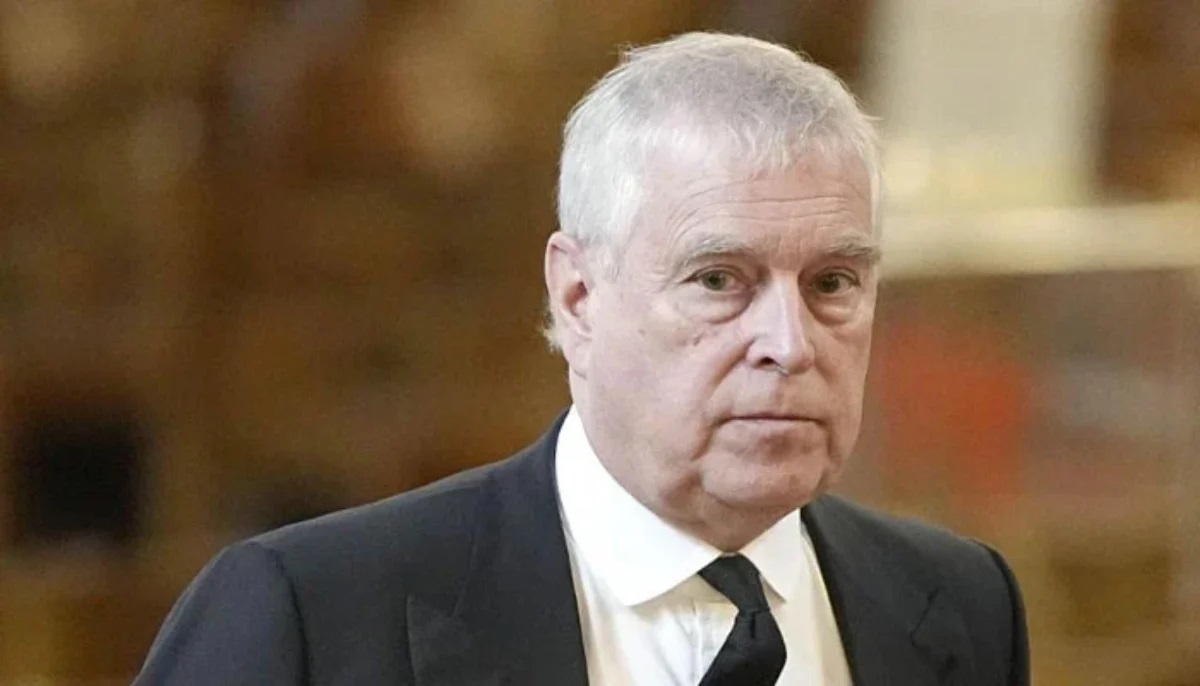
Prince Andrew public funds controversy has intensified after fresh allegations claimed Andrew Mountbatten Windsor used taxpayer-funded money for personal leisure expenses during his tenure as a UK trade envoy. The latest scrutiny follows renewed claims connected to historic massage appointments and political calls demanding reimbursement of any misused public funds. The issue has reignited debate about royal accountability, public spending transparency, and ongoing investigations linked to the Epstein files.
Key Highlights
Chancellor Rachel Reeves calls for reimbursement of any misused taxpayer funds
Allegations relate to massage expenses during Andrew’s tenure as trade envoy
Police reportedly questioned Andrew for 11 hours over misconduct concerns
Multiple investigative bodies reviewing claims following Epstein file releases
Buckingham Palace maintains that “the law must take its course”
What Happened: Public Funds and Massage Allegations
The controversy centers on claims that Andrew Mountbatten Windsor, formerly known as Prince Andrew, used government-funded resources for private leisure activities while serving as the UK’s Special Representative for International Trade and Investment.
According to reporting by The i Paper, Chancellor Rachel Reeves responded “Of course” when asked whether any misused public money should be reimbursed. Reeves also commented on Cabinet Minister Sir Chris Bryant’s prior description of Andrew as “rude, arrogant and entitled,” stating she had never met him and “that’s probably for the best.”
Separately, allegations resurfaced following statements made to MailOnline by Monique Gianelloni, who claimed she was trafficked to Andrew in 2000 by Ghislaine Maxwell under the guise of a massage appointment. She described arriving at Buckingham Palace and said she felt nervous and embarrassed during the encounter.
Andrew has denied wrongdoing in previous public statements and stepped back from official royal duties in 2019 amid controversy linked to his association with Jeffrey Epstein.
Police Questioning and Ongoing Investigations
Reports indicate Andrew was questioned by police for approximately 11 hours under suspicion of potential “misconduct in public office.” Authorities have not publicly detailed specific charges.
Following the renewed attention generated by the release of documents related to Jeffrey Epstein, multiple law enforcement agencies are reviewing allegations. The scale of investigation underscores the seriousness of the claims and the broader international implications of the Epstein network.
King Charles III has publicly stated that “the law must take its course,” signaling a neutral stance from Buckingham Palace.
Legal analysts note that misconduct in public office is a serious allegation under UK law, often tied to abuse of position for personal gain. “If public funds were knowingly misused, reimbursement alone may not end public scrutiny,” one constitutional law expert told the BBC.
Political and Public Reaction
The Prince Andrew public funds controversy has drawn sharp political response across party lines.
Chancellor Rachel Reeves’ comments signal growing government willingness to demand accountability. Media analysts believe the issue touches directly on public trust in institutions, particularly at a time of economic pressure and taxpayer scrutiny.
Public reaction has been mixed but intense. One London resident told reporters, “If public money was used for personal benefit, it should absolutely be paid back.” Another commented online, “This just keeps damaging the reputation of the monarchy.”
Royal commentator coverage across outlets including BBC News, The Guardian, and Sky News suggests the case could have long-term implications for how publicly funded royal roles are structured.
Why It Matters: Accountability and Royal Oversight
The controversy extends beyond individual allegations. It raises broader questions about:
Oversight of publicly funded royal positions
Transparency in government expenditures
Ethical boundaries for official envoys
Institutional accountability within the monarchy
Andrew’s former role as trade envoy involved representing UK business interests abroad, a position funded in part through public resources. The allegations have prompted renewed calls for clearer financial oversight mechanisms.
Media experts argue that royal controversies increasingly intersect with political accountability standards. “Modern constitutional monarchies face heightened transparency expectations,” one governance analyst noted.
Context: Past Royal Scrutiny
Prince Andrew stepped back from royal duties in November 2019 following a widely criticized BBC interview regarding his association with Jeffrey Epstein. In 2022, he reached a financial settlement in a US civil case without admission of liability.
Since then, public appearances have been limited, and his honorary military roles were removed.
The latest investigation adds to ongoing scrutiny surrounding the monarchy’s public funding arrangements.
What Happens Next?
Authorities continue to review evidence related to alleged misconduct. If investigators determine public funds were misused, formal recommendations or legal action could follow.
Government officials may also revisit policy frameworks governing publicly funded royal appointments.
For now, political leaders emphasize due process. The Palace maintains that legal institutions must proceed independently.
FAQs
1. What are the allegations against Prince Andrew regarding public funds? He is accused of using taxpayer-funded money for private leisure activities, including massage appointments, during his time as a UK trade envoy. Authorities are reviewing whether misconduct in public office occurred.
2. Has Prince Andrew been charged with a crime? No formal charges have been publicly announced. Reports indicate he was questioned by police, but investigations are ongoing.
3. What did Chancellor Rachel Reeves say? Rachel Reeves stated that any misuse of public funds should be reimbursed and confirmed that reimbursement would be expected if wrongdoing is proven.
4. Is the Royal Family responding? King Charles III has stated that “the law must take its course,” indicating that the matter should be handled by legal authorities.
5. Could this affect public funding of royal roles? Experts suggest the controversy may prompt renewed review of transparency and oversight mechanisms for publicly funded royal positions.
For verified updates on royal developments and global politics, follow Star Struck Times and stay informed with fact-based reporting.
Hello! I'm M Muzamil Shami, the founder and lead editor of Star Struck Times, your trusted source for trending news, entertainment scoops, celebrity gossip, sports highlights, and global headlines.
With a passion for storytelling and journalism, I created this platform to bring you breaking news, viral moments, and deep insights into the worlds of Bollywood, Hollywood, sports, politics, tech, and more — all in one place.