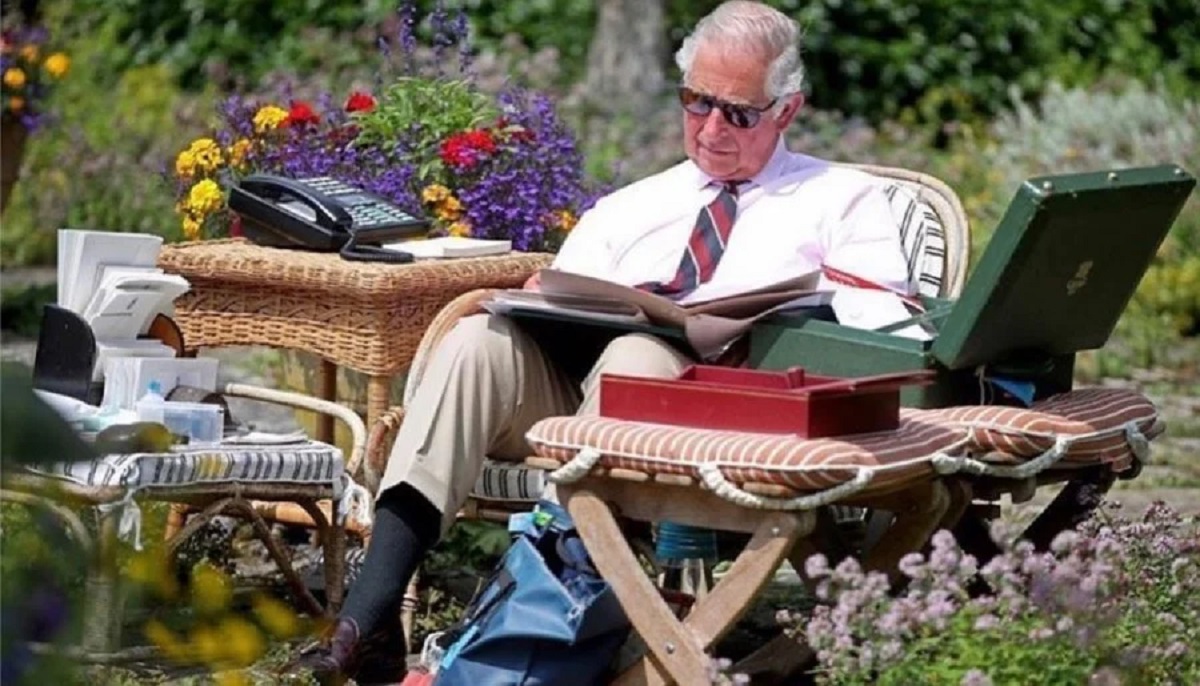
King Charles’ work ethic on display as the monarchy navigates renewed pressure
Breaking: As Prince Andrew’s controversy once again rattles the monarchy, King Charles’ work ethic has quietly become one of the most talked-about — and admired — aspects of royal life. Behind palace walls, sources describe a monarch who refused to slow down, even as scandal, health concerns, and public scrutiny collided at once.
Trending Now: King Charles, Duty, and a Royal Storm
Trending:King Charles news is dominating headlines again — but not only because of Prince Andrew. While the Andrew Mountbatten-Windsor saga exploded across media platforms, insiders say the King doubled down on duty, travel, and state responsibilities, projecting stability when the institution needed it most.
What makes this moment so compelling is the contrast: public chaos versus private discipline. As one royal aide put it, the King’s calendar never blinked — even when the pressure did.
Key Points
King Charles maintained a full royal schedule despite health challenges and family controversy
Prince Andrew’s renewed scandal overshadowed royal messaging throughout the year
Palace insiders reveal a tipping point that forced decisive action by the King
Experts say Charles’ leadership style marks a sharp shift from previous crisis management
Public reaction remains divided, with admiration for Charles and frustration over Andrew
Inside King Charles’ Work Ethic During Royal Turmoil
While headlines swirled around Prince Andrew, King Charles’ health and workload became a quiet counter-narrative. According to palace sources, the monarch continued extensive travel across the UK and overseas, personally attending engagements many expected him to postpone.
Royal historian and Majesty magazine managing editor Joe Little noted the pace was unmistakable.
“He’s certainly not let the grass grow under his feet,” Little observed, pointing to a monarch determined to project continuity.
From regional visits across Britain to high-profile diplomatic appearances abroad, Charles appeared intent on reinforcing the monarchy’s role — not retreating from it.
Media analysts believe this was no accident. One senior commentator described the strategy as “institutional reassurance,” aimed at reminding the public that the Crown functions beyond individual controversies.
Health, Pressure, and the Refusal to Slow Down
Questions around King Charles’ health inevitably surfaced after a brief hospital admission in March. Yet aides were quick to label it a “bump in the road,” and events that followed seemed designed to underline that message.
Within days, the King resumed duties, publicly marking his 20th wedding anniversary during a state visit to Italy before embarking on a demanding 20-hour trip to Canada. For many royal watchers, this schedule felt deliberately symbolic.
A palace source explained it bluntly:
“His dedication to duty means he just gets on with it. He won’t let us lighten his schedule.”
Industry authority Robert Hardman, royal biographer, later echoed that sentiment in broadcast commentary, stating that Charles views consistency as “a constitutional responsibility, not a personal choice.”
The Andrew Factor: A Crisis That Wouldn’t Fade
Despite Charles’ efforts, Prince Andrew continued to dominate the narrative. Fresh allegations tied to his association with the late Jeffrey Epstein resurfaced, reigniting global scrutiny. Andrew has consistently denied the claims, but the reputational damage lingered.
Royal commentator Phil Dampier summed up the frustration felt within palace circles:
“Unfortunately, the whole year’s been dominated by Andrew. Both the King and William are desperate to try and draw a line under it.”
As the monarchy led national moments such as the 80th anniversary of VE Day, each ceremonial success risked being drowned out by renewed headlines about the Duke of York.
From a strategic standpoint, media experts argue this was the most dangerous phase — when unrelated royal work became collateral damage.
The Tipping Point: Decisive Action Behind Closed Doors
According to multiple sources close to the Palace, the breaking point came when the controversy threatened to eclipse the monarchy’s broader agenda entirely.
After Prince Andrew announced he would stop using the Duke of York title, King Charles reportedly moved decisively. In a move described as “inevitable but overdue,” the King formally stripped Andrew of his remaining status as a prince.
Constitutional expert Professor Vernon Bogdanor described the decision as “an assertion of modern royal accountability,” adding that it reflected Charles’ long-held belief in a slimmer, more disciplined monarchy.
This marked a rare moment of visible authority — one that signaled a clear boundary between personal loyalty and institutional survival.
Public Reaction: Respect, Frustration, and Fatigue
Online reaction has been intense. Many royal supporters praised the King’s resolve.
One fan wrote on X (formerly Twitter):
“Say what you want, but King Charles showing up every day while dealing with all this earns real respect.”
Others were less forgiving, criticizing the monarchy for allowing the Andrew situation to linger as long as it did.
“This should’ve been handled years ago,” one critic commented on Instagram. “The damage was avoidable.”
Still, sentiment analysis across UK media suggests approval of Charles’ leadership has edged upward — particularly among older demographics who value stability over spectacle.
Why This Moment Matters for the Monarchy
Beyond personalities, this episode reveals a deeper shift in royal governance. Analysts argue King Charles news increasingly reflects a monarch focused on output, visibility, and institutional relevance.
Unlike the quieter crisis management of previous reigns, Charles’ approach blends transparency with action — even when decisions are uncomfortable.
Cultural observers note that this period may redefine how future royal crises are handled: faster decisions, clearer lines, and less tolerance for prolonged ambiguity.
Context: A Year of Royal Strain
The Andrew controversy unfolded against a backdrop insiders privately described as the King’s “annus horribilis.” Within a single year, the Royal Family faced:
Cancer diagnoses involving two senior royals
Princess Anne’s hospitalization after a head injury
The sudden death of Thomas Kingston
Despite these challenges, Charles maintained public composure and presence — a leadership style many believe is reshaping expectations of the modern monarch.
What Happens Next?
Looking ahead, palace aides suggest King Charles will resume a largely normal programme of engagements in 2025, reinforcing the message that the monarchy has moved forward.
The Andrew chapter may not disappear overnight, but insiders insist the institution has drawn its line. For Charles, the priority now is rebuilding focus around service, diplomacy, and national unity — not internal distraction.
FAQs
How old is King Charles?
King Charles III was born on November 14, 1948. As of now, he is in his mid-70s and remains the oldest monarch to ascend the British throne, bringing decades of preparation into his reign.
Has King Charles addressed the nation about Prince Andrew?
King Charles has not made a direct national address focused solely on Prince Andrew. Palace decisions have been communicated through official channels rather than personal speeches.
Is King Charles reducing his workload due to health?
According to palace aides, the King has not significantly reduced his workload. Engagements continue with medical guidance, and officials emphasize balance rather than withdrawal.
Why is the Andrew controversy resurfacing?
Renewed media scrutiny and revived allegations linked to past associations have pushed Prince Andrew back into headlines, despite his withdrawal from public duties.
Stay informed with balanced, verified royal coverage. Follow Star Struck Times for clarity beyond the headlines and context behind the Crown.
Hello! I'm M Muzamil Shami, the founder and lead editor of Star Struck Times, your trusted source for trending news, entertainment scoops, celebrity gossip, sports highlights, and global headlines.
With a passion for storytelling and journalism, I created this platform to bring you breaking news, viral moments, and deep insights into the worlds of Bollywood, Hollywood, sports, politics, tech, and more — all in one place.