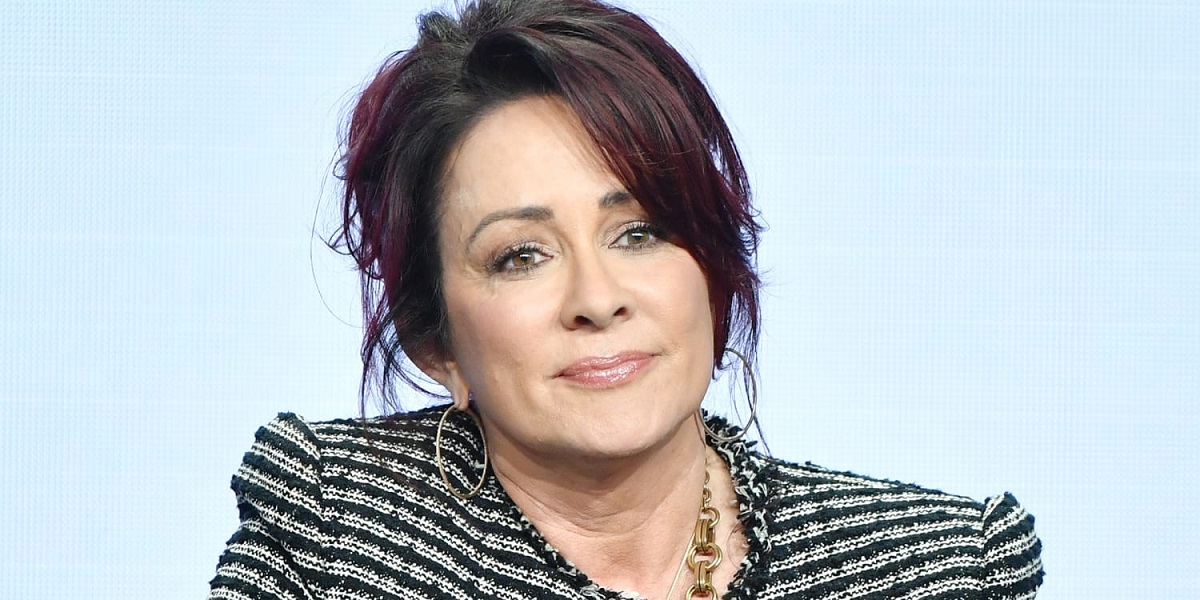
Patricia Heaton opened up about the emotional turning point that inspired her to quit drinking eight years ago.
LOS ANGELES, UNITED STATES, August 13, 2026 — Star Struck Times
When two-time Emmy winner Patricia Heaton walked into a dinner gathering with her adult sons and their friends eight years ago, she had no intention of making a life-altering choice. Known to millions as the sharp, grounded matriarch on Everybody Loves Raymond and The Middle, Heaton was quietly battling a silent, escalating struggle in her personal life. A evening that started with casual wine took a humbling turn when she found herself repeatedly stumbling over a single, ordinary word: tradition. That exact moment—magnified in front of the young men she had spent two decades raising—became the catalyst for a radical change. The very next day, Heaton made a firm decision to put down the glass for good.
Key Points Summary
The Catalytic Moment: Patricia Heaton revealed that stumbling over the word “tradition” three times during a family dinner served as her ultimate wake-up call to get sober.
The Empty Nest Spiral: The actress admitted her alcohol consumption escalated significantly after her four sons grew up and moved out of the family home.
Eight Years Sober: Heaton has maintained total sobriety since that fateful evening, using her platform to shed light on late-onset alcohol reliance.
Breaking the Stigma: By speaking candidly with Woman’s World, Heaton aims to dismantle the shame surrounding middle-aged women and post-parenting lifestyle shifts.
The Quiet Storm Behind the Sitcom Success
For nearly three decades, Patricia Heaton represented the quintessential American mother on primetime television. As Debra Barone on CBS’s hit sitcom Everybody Loves Raymond and later as Frankie Heck on ABC’s The Middle, Heaton delivered razor-sharp comedic timing that anchored two of the most successful family comedies in modern broadcasting history. Behind the curtain, however, the transition from managing a hyper-busy household with four young sons to navigating an empty nest opened an unexpected emotional void.
As her sons—Daniel, Samuel, Joseph, and John—matured and eventually left the household, the vibrant, chaotic daily routine that had defined Heaton’s home life fell silent. Like millions of parents experiencing empty nest syndrome, the sudden shift in identity brought an unprecedented amount of unstructured downtime.
In her candid sit-down with Woman’s World, Heaton explained how drinking gradually transformed from a relaxed evening ritual into an uncomfortably central coping mechanism. What began as a glass of red wine to wind down at the end of the day steadily accelerated.
“The daytime hours felt longer, and the evening rewards came earlier,” Heaton reflected. Without the rigid schedule of early morning school runs and active parenting duties, alcohol seamlessly filled the unoccupied hours. The insidious nature of late-onset alcohol dependency often hides behind high functionality; Heaton was still auditioning, producing, and maintaining her public appearances without missing a beat. Yet internally, she recognized that her relationship with alcohol was deteriorating into psychological reliance.
The climax of this silent escalation arrived during a dinner party hosted at her home. Surrounding the table were her sons and a roomful of their friends—an environment where Heaton wanted nothing more than to be the sharp, present, and supportive mother she had always strived to be. Having consumed multiple drinks throughout the afternoon and evening, Heaton began telling a family story.
When she attempted to say the word “tradition,” her tongue tied. She tried a second time, only to slur the syllables again. By the third attempt, the room went quiet. Her sons looked at her not with anger, but with a tragic mix of discomfort and awareness.
“It wasn’t a dramatic Hollywood rock bottom with flashing red lights or legal trouble,” Heaton shared. “It was worse—it was deeply humbling. I looked at my sons, saw the awkward tension in the room, and realized that alcohol was taking away my precision, my clarity, and my dignity.”
That night, Heaton went to bed with a profound sense of clarity. On July 10, eight years ago, she woke up and made an absolute vow: she would never touch another drop of alcohol. She did not enter a rehab facility or issue a public press statement; instead, she chose a quiet, relentless commitment to full sobriety that has held firm ever since.
Hidden Context: What Other Reports Missed
While most entertainment headlines focus purely on the celebrity celebrity-confession angle, mainstream outlets routinely miss the broader sociological context surrounding Heaton’s revelation. Her experience mirrors a rapidly growing, demographically specific trend that public health professionals refer to as “grey drinking” among middle-aged women—particularly those navigating empty nest transitions or career pivots.
Statistical data from national health organizations over the past decade highlights a sharp spike in alcohol misuse among women aged 45 to 65. Unlike young adults whose alcohol consumption typically centers on social venues, middle-aged women frequently experience isolation-driven consumption within the home. Society often normalizes this through pervasive “mom wine culture”—a marketing trope that trivializes alcohol as a necessary remedy for maternal stress.
What sets Heaton’s disclosure apart is her willingness to dismantle this narrative without hiding behind platitudes. She specifically identified how the loss of daily maternal responsibilities shattered her established boundaries. Furthermore, as a devout Christian and prominent Hollywood conservative, Heaton’s openness breaks down unspoken barriers within faith-based and traditional communities, where discussions surrounding alcohol dependency are frequently suppressed due to social stigma.
By sharing the exact verbal blunder that woke her up, Heaton provides an invaluable psychological case study: rock bottom does not require external ruin. For high-functioning individuals, a loss of personal integrity or self-respect in front of loved ones is often the most powerful catalyst for permanent behavioral change.
Frequently Asked Questions (FAQs)
Why did Patricia Heaton quit drinking?Patricia Heaton quit drinking after an embarrassing moment at a family dinner where she stumbled over the word “tradition” three times in front of her sons and their friends, making her realize alcohol was affecting her clarity and presence.
How long has Patricia Heaton been sober?Patricia Heaton has been completely sober for eight years, having given up alcohol cold turkey following her empty-nest revelation.
What was Patricia Heaton’s drinking trigger?Heaton revealed that her drinking escalated due to “empty nest syndrome” after her four sons grew up and moved out, leaving her with unstructured time and emotional loneliness.
Q1: Did Patricia Heaton go to rehab to achieve sobriety?
A: No, Patricia Heaton did not enter a formal rehabilitation facility. After her turning-point moment at the family dinner, she made a personal commitment to stop drinking cold turkey and leaned on personal accountability, lifestyle adjustments, and faith to maintain her recovery.
Q2: What has Patricia Heaton said about mom wine culture?
A: Heaton has expressed concern over how casual drinking is marketed to women as an essential coping mechanism for stress, pointing out that what seems like harmless socialization can quickly turn into a dangerous emotional crutch when life circumstances change.
Q3: How many children does Patricia Heaton have?
A: Patricia Heaton shares four adult sons—Daniel, Samuel, Joseph, and John—with her longtime husband, actor and director David Hunt.
Q4: Which TV shows is Patricia Heaton best known for?
A: Heaton is best known for her iconic roles as Debra Barone on CBS’s Everybody Loves Raymond (for which she won two Primetime Emmy Awards) and Frankie Heck on ABC’s long-running comedy The Middle.
Have you or a loved one experienced a quiet wake-up call that prompted a massive life change? How do you view the cultural normalization of alcohol during major life transitions like an empty nest? Drop your thoughts and stories in the comments below!
Hello! I'm M Muzamil Shami, the founder and lead editor of Star Struck Times, your trusted source for trending news, entertainment scoops, celebrity gossip, sports highlights, and global headlines.
With a passion for storytelling and journalism, I created this platform to bring you breaking news, viral moments, and deep insights into the worlds of Bollywood, Hollywood, sports, politics, tech, and more — all in one place.