Breaking Now: Pakistan is facing one of its worst flood disasters in decades. Torrential rains and overflowing rivers have triggered historic floods in Punjab, forcing over 300,000 people to evacuate while millions remain trapped in submerged towns and villages. The devastation is not only a humanitarian emergency but also a wake-up call on climate change, weak infrastructure, and disaster preparedness.
Key Points
- Over 300,000 people evacuated; millions still stranded.
- Historic floods caused by overflowing rivers across Punjab.
- Severe humanitarian crisis: food, water, and medicine shortages.
- Government under fire for lack of preparation and poor infrastructure.
- Climate change highlighted as a key driver of extreme monsoon rains.
- Economic losses expected in billions, with agriculture hardest hit.
- International aid pledged, but relief remains slow and limited.
A Nation Underwater
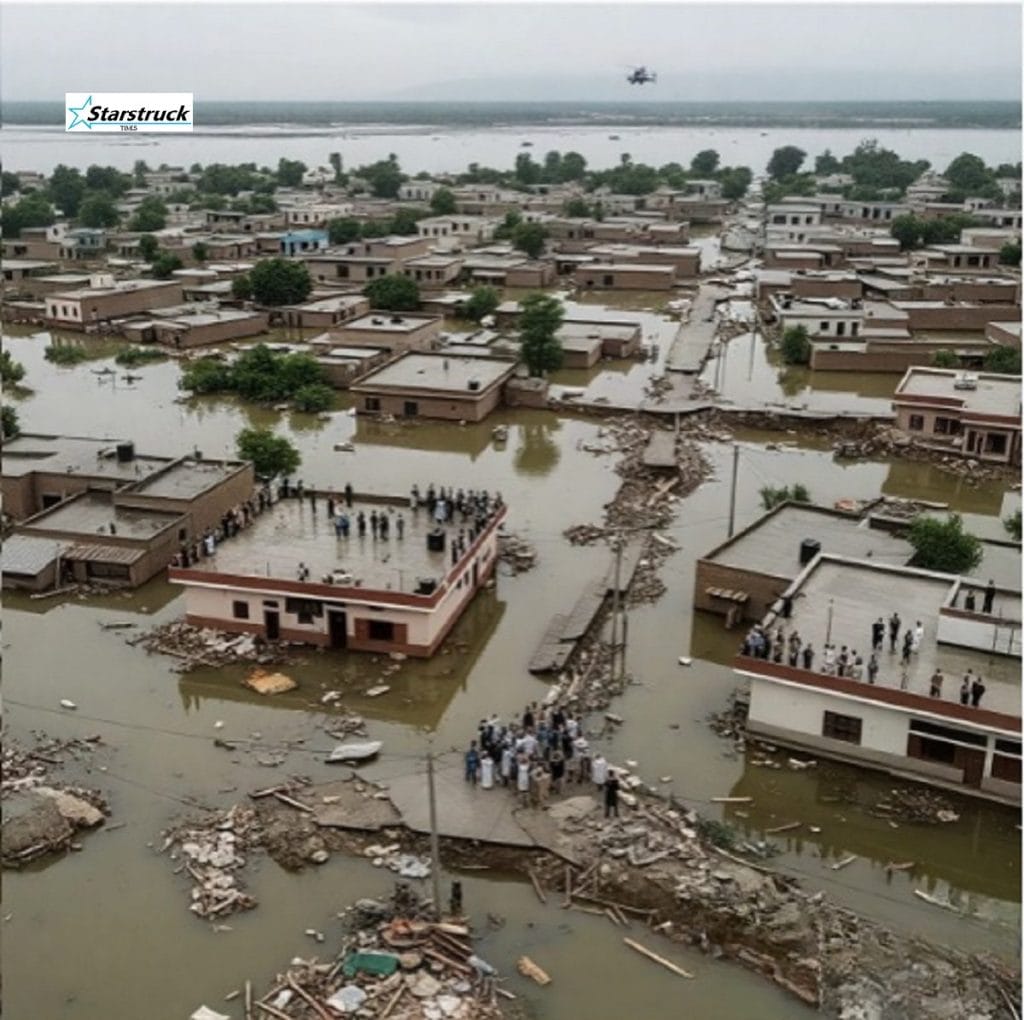
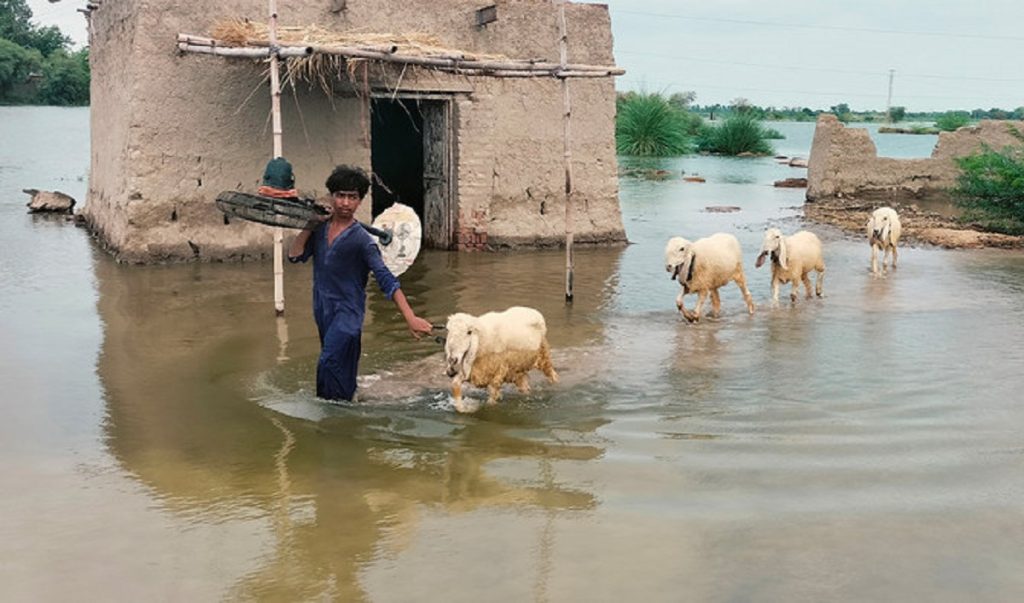
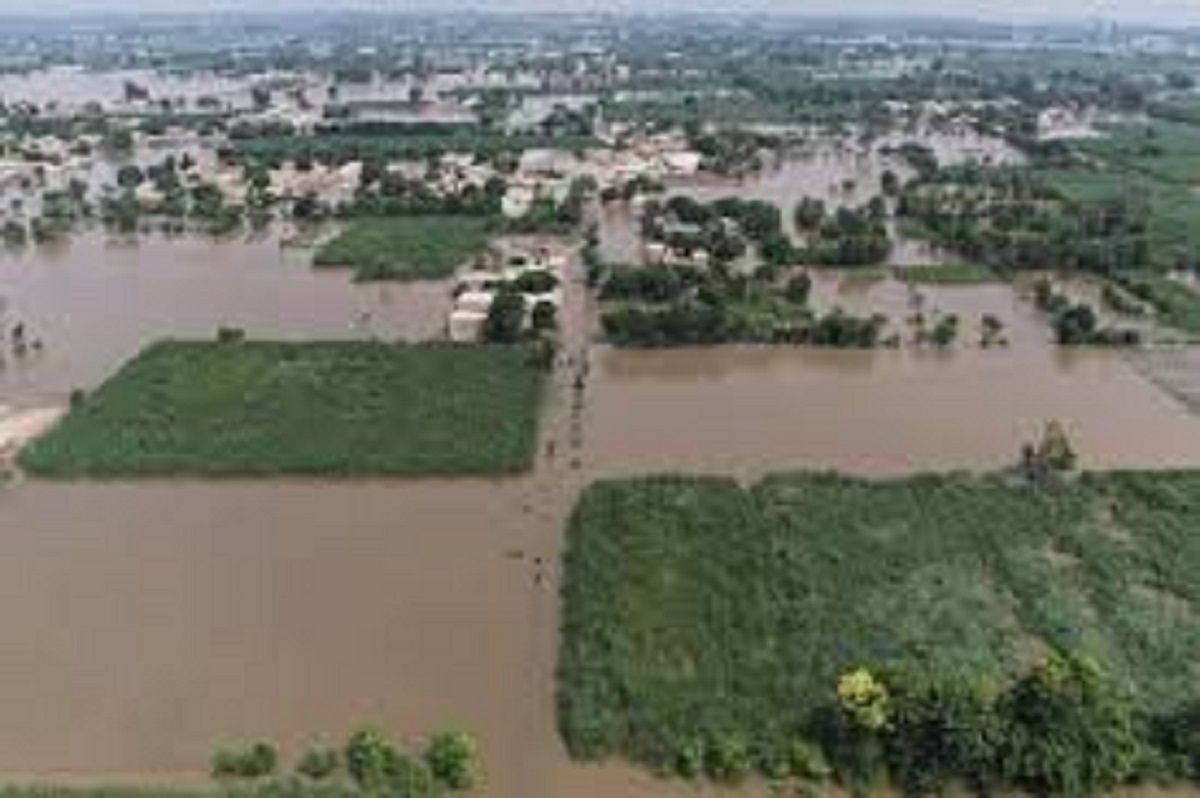
The heartland of Pakistan, Punjab — home to lush fields and millions of people — has been turned into an endless sea of muddy waters. Entire villages have disappeared, crops lie destroyed under swirling floods, and livestock that once sustained rural families are either dead or drifting.
Authorities have confirmed that more than 300,000 people have been evacuated, but local estimates suggest millions remain stranded without food, clean water, or shelter. Makeshift camps line the highways, where families sit on rooftops or cling to trees, watching helplessly as the waters rise.

Unprecedented Scale of Disaster
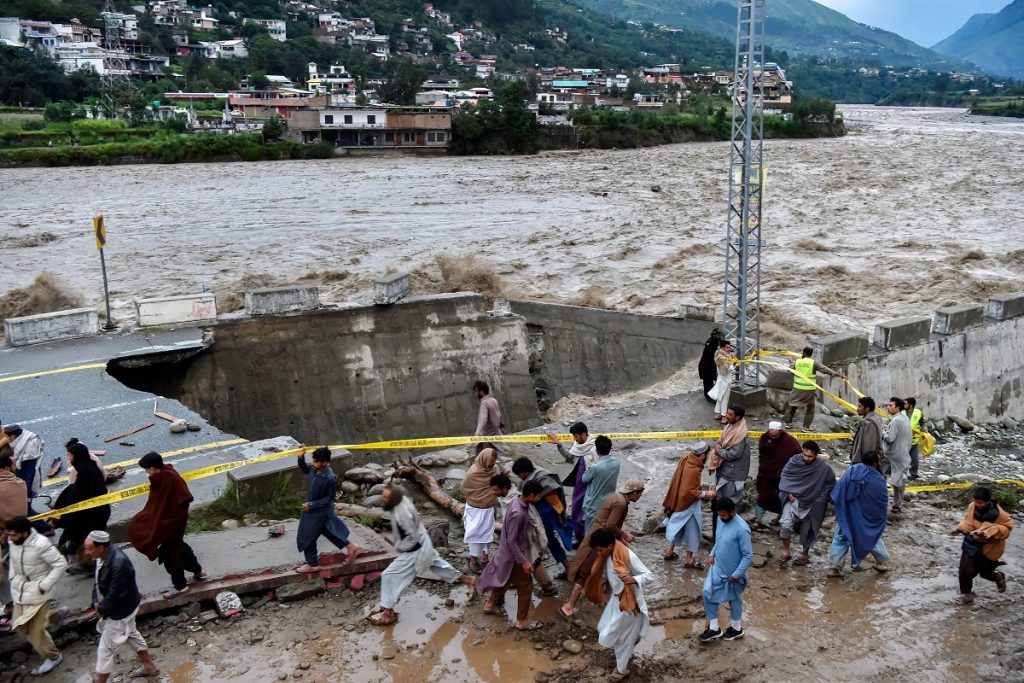
Meteorologists are calling this one of the worst monsoon floods in Pakistan’s history. The Ravi, Sutlej, and Chenab rivers have all overflowed, inundating vast areas across southern and central Punjab.
“This is not just a seasonal flood. This is a historic crisis,” said a senior official from the Pakistan Meteorological Department. “The sheer scale and speed of water levels rising caught everyone by surprise.”
Satellite images show vast agricultural belts swallowed by water, raising fears of food shortages in the coming months. Cotton, wheat, and rice fields — the backbone of Punjab’s economy — have been decimated.
Humanitarian Crisis on the Ground
For the displaced, survival is a daily battle. In Rahim Yar Khan, mothers cradle malnourished children under makeshift tents made of plastic sheets. In Bahawalpur, villagers line up for hours to receive a single bottle of drinking water.

Health experts warn of a looming cholera and dengue outbreak as stagnant waters turn into breeding grounds for disease. Hospitals are overwhelmed, and the lack of medicine threatens to worsen the tragedy.
International NGOs and the UN have pledged aid, but rescue operations remain slow. “The roads are washed away. Entire areas are inaccessible,” said a Red Crescent volunteer. “Helicopters can only reach a fraction of those in need.”
Government Under Fire
The government has announced a state of emergency, deploying military boats and helicopters to rescue stranded families. Prime Minister Shehbaz Sharif described the situation as “a national tragedy,” urging international donors for urgent relief.
Yet criticism is mounting. Citizens argue that Pakistan’s leaders ignored warnings of heavy monsoon rains. Infrastructure projects, flood channels, and dams that could have mitigated the damage remain incomplete. Opposition leaders accuse the ruling party of negligence, while analysts warn of growing public anger.
Climate Change: The Silent Culprit
Experts stress that this disaster is not an isolated event. Pakistan has repeatedly ranked among the top 10 most vulnerable nations to climate change. Rising global temperatures have intensified monsoon patterns, melting glaciers in the north and swelling rivers in the plains.
“What we are seeing in Punjab is climate injustice,” said Dr. Ayesha Khan, an environmental scientist. “Pakistan contributes less than 1% of global emissions, yet millions of our people are paying the price of unchecked carbon pollution by developed nations.”
This framing has already sparked global conversations on climate reparations and the urgent need for resilient infrastructure.
Human Stories of Survival
Beyond statistics are the haunting stories of ordinary Pakistanis.
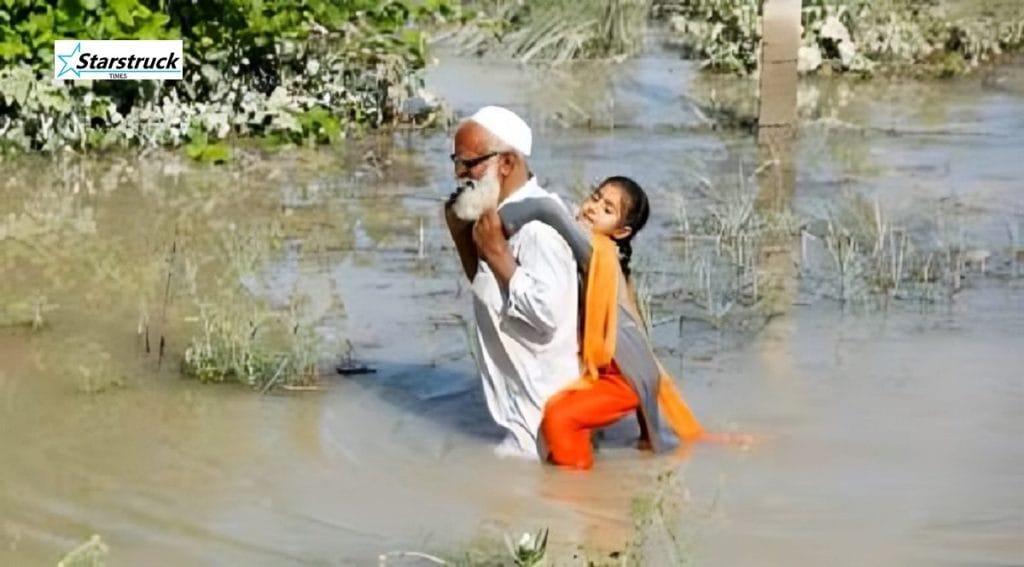
- In Multan, a father swam miles carrying his infant daughter on his back, only to reach a relief camp with nothing but the clothes he wore.
- In Kasur, an elderly woman wept as she watched her ancestral home crumble into the floodwaters, saying, “This is where my children grew up. Now it’s gone.”
- In Jhang, teenagers have turned into volunteers, rowing wooden boats to rescue neighbors and animals.
These stories reveal not only tragedy but also resilience — a reminder that the Pakistani spirit, though battered, refuses to break.
Economic Fallout
The economic cost is expected to run into billions of dollars. Agriculture, already weakened by last year’s floods, faces another devastating blow. Cotton exports may plummet, textile mills are warning of raw material shortages, and inflation — already at record highs — could spiral further.
The World Bank has warned that unless immediate recovery measures are taken, the Pakistan flood crisis could shave off 2–3% of the national GDP.
Global Response
The international community has expressed solidarity. The United Nations has launched a relief appeal, while neighboring countries, including China and Turkey, have offered assistance. Western nations are expected to provide both humanitarian aid and climate funding.
Social media has amplified the crisis, with hashtags like #PakistanFloods and #PrayForPunjab trending worldwide. Celebrities, activists, and diaspora communities are mobilizing donations.
FAQs
Q1: What caused the Pakistan Flood Crisis in Punjab?
Heavy monsoon rains and overflowing rivers, worsened by climate change and poor infrastructure, caused the devastating floods.
Q2: How many people have been affected?
Over 300,000 people have been evacuated, but millions remain stranded or displaced.
Q3: What are the main challenges for survivors?
Lack of clean water, food, shelter, and medical supplies are the biggest challenges, alongside the risk of disease outbreaks.
Q4: How has the government responded?
The government has declared a state of emergency, deploying the military for rescue, but faces criticism for inadequate preparedness.
Q5: What role does climate change play?
Experts say global warming is intensifying monsoons and melting glaciers, making Pakistan highly vulnerable to extreme floods.
What are your thoughts on Pakistan’s flood crisis? Should world leaders step up climate reparations? Share your views in the comments below and follow Star Struck Times for more breaking updates on global events.