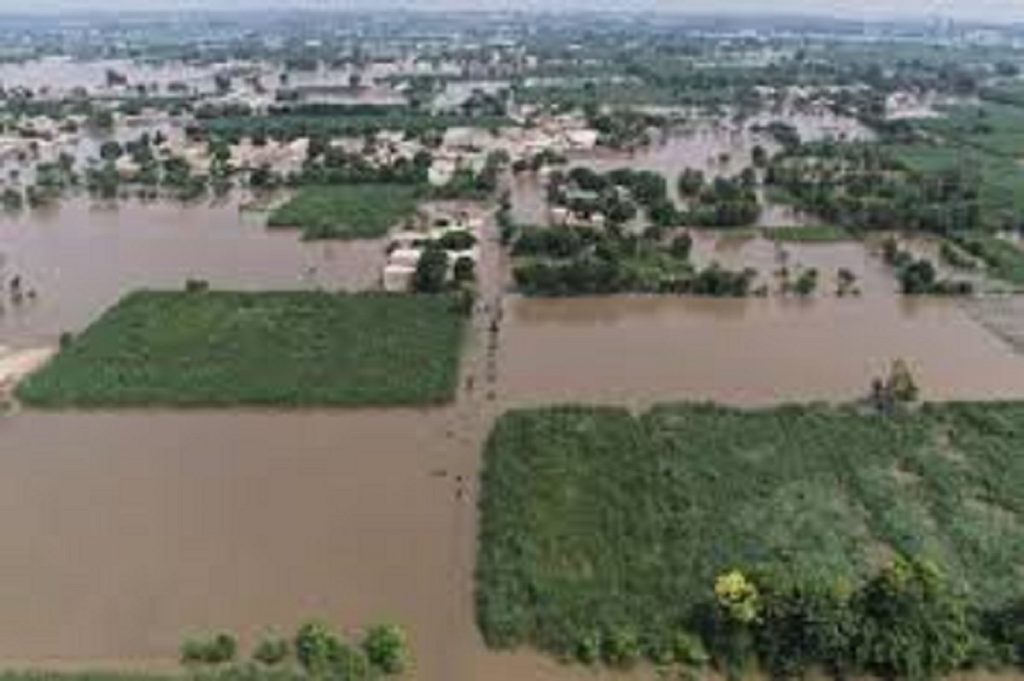
Fresh humanitarian warnings issued as rains and floods worsen.
Thousands displaced, homes destroyed, and agriculture badly hit.
Climate change blamed for intensifying monsoon disasters.
Global aid and relief appeals launched as situation worsens.
In a world already grappling with conflicts and crises, the unfolding flood crisis in Pakistan has once again highlighted the fragility of human survival against nature’s wrath. What makes this tragedy even more striking is the unusual cross-border cooperation: India’s timely flood alert reportedly saved hundreds, if not thousands, of Pakistani lives. This rare humanitarian act underscores how, even amidst political tensions, humanity can transcend borders in the face of disaster.
The crisis, however, is far from over. Fresh warnings are being issued by humanitarian agencies as Pakistan reels under the growing devastation caused by relentless rainfall, overflowing rivers, and collapsing infrastructure. With climate change amplifying the ferocity of monsoons, Pakistan finds itself at the epicenter of another humanitarian emergency.
India’s Humanitarian Gesture: An Unlikely Lifeline
In a move that captured global attention, India shared satellite data and early warnings about rising water levels in rivers crossing into Pakistan. This alert, passed through emergency channels, allowed Pakistani authorities to evacuate flood-prone areas just in time, sparing villages from catastrophic casualties.
For two rival nations often at odds politically, the gesture resonated worldwide as a rare example of humanitarian diplomacy. Social media platforms in both countries lit up with emotional reactions, with many calling it a reminder that compassion should rise above politics.
The Crisis on the Ground: Pakistan’s Struggle Deepens
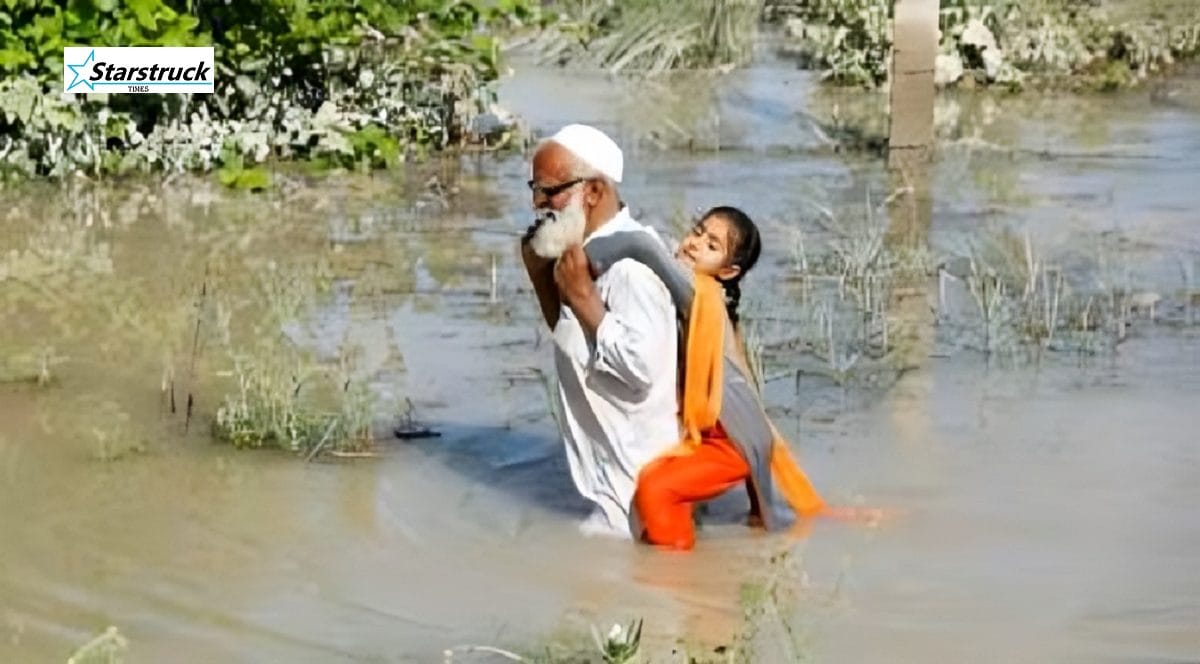
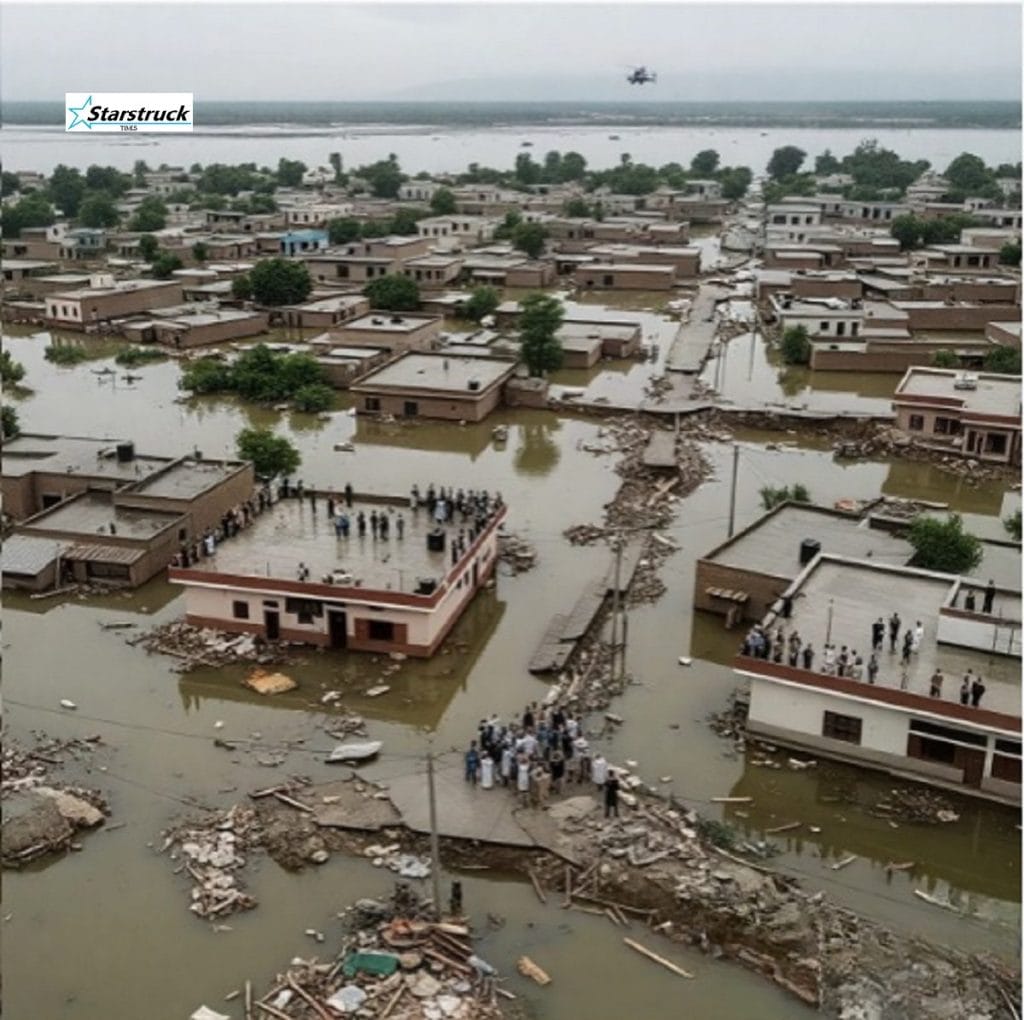
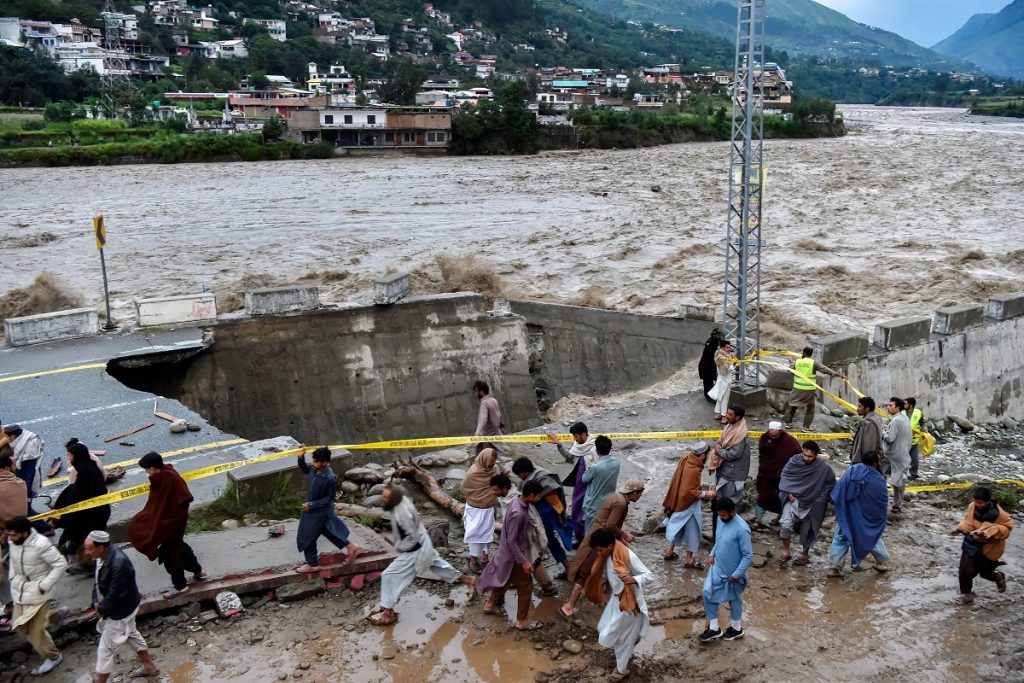
The floodwaters have wreaked havoc across multiple provinces. Sindh, Punjab, and Khyber Pakhtunkhwa are the hardest hit, with rivers overflowing and swallowing up entire neighborhoods. Families are stranded on rooftops, farmers are watching their crops disappear, and hospitals are overwhelmed.
According to the latest figures:
Over 2,000 villages inundated
Hundreds of thousands displaced
Dozens confirmed dead with fears of the toll rising
Critical infrastructure destroyed, including bridges, roads, and schools
Emergency shelters are bursting at the seams, and aid workers describe the atmosphere as “chaotic and heartbreaking.” Relief organizations warn that waterborne diseases could spiral out of control if clean drinking water and medical aid do not arrive swiftly.
Climate Change
Experts point to climate change as the driving factor behind the intensifying monsoon patterns. Pakistan, despite contributing less than 1% to global carbon emissions, remains one of the most climate-vulnerable nations.
“Pakistan is paying the price for a crisis it did not create,” said a UN climate official. This echoes global debates on climate justice and the urgent need for international cooperation to build climate resilience.
Global Response: Aid, Diplomacy, and Urgency
The United Nations and Red Cross have sounded alarms, calling for immediate funding to deliver food, shelter, and medical supplies. Neighboring countries and international allies are pledging support, though officials stress that time is running out.
Interestingly, India’s humanitarian alert is now being seen as an opening for renewed people-to-people diplomacy. Could disaster cooperation pave the way for thawing relations? Political analysts remain cautious, but the public sentiment is hopeful.
FAQs
1. How did India help Pakistan during the flood crisis?
India provided early flood warnings and satellite data, allowing Pakistan to evacuate flood-prone regions and save lives.
2. Which areas in Pakistan are worst affected?
The provinces of Sindh, Punjab, and Khyber Pakhtunkhwa are bearing the brunt, with widespread destruction and displacement.
3. Why is Pakistan facing repeated flood disasters?
Experts blame climate change and poor infrastructure planning, which amplify the impacts of heavy monsoons.
4. What is being done to help flood victims?
The UN, Red Cross, and international NGOs have launched relief appeals, while Pakistan’s government has mobilized army units for evacuation and aid.
The crisis in Pakistan is a reminder that climate disasters know no borders. Governments, organizations, and individuals must come together to support those affected. Share this story, donate if you can, and raise awareness.
What do you think – should cross-border humanitarian alerts become a permanent system between India and Pakistan?
Hello! I'm M Muzamil Shami, the founder and lead editor of Star Struck Times, your trusted source for trending news, entertainment scoops, celebrity gossip, sports highlights, and global headlines.
With a passion for storytelling and journalism, I created this platform to bring you breaking news, viral moments, and deep insights into the worlds of Bollywood, Hollywood, sports, politics, tech, and more — all in one place.