Pakistan and Bangladesh share a complex and emotional history. Once part of the same country, they separated in 1971 after a bloody war that gave birth to Bangladesh. Since then, relations between the two South Asian nations have been marked by ups and downs, with mistrust, diplomacy, and occasional cooperation shaping their ties.
In 2025, a historic pact signed in Dhaka has opened a new chapter, reviving hopes for closer cooperation in trade, culture, and regional stability. This article explores the journey of Pakistan–Bangladesh relations, from the turbulent 1971 war to the promising agreements of today.
Historical Background: East Pakistan and West Pakistan
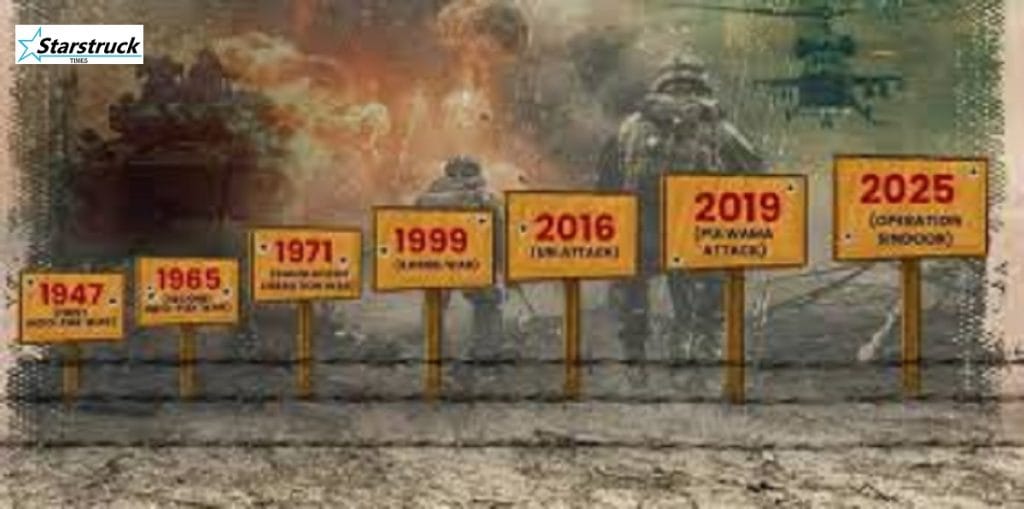
In 1947, when British India was partitioned, two wings of Pakistan were created: West Pakistan (modern-day Pakistan) and East Pakistan (modern-day Bangladesh).
The two wings were separated by 1,600 km of Indian territory, which made administration difficult.
East Pakistan had a larger population, but political and economic power remained in West Pakistan.
Cultural and linguistic differences (e.g., Urdu vs. Bengali) created tensions.
The 1971 War and Birth of Bangladesh
In 1970, Pakistan held its first general elections. Sheikh Mujibur Rahman’s Awami League (based in East Pakistan) won a majority.
West Pakistan’s leadership resisted handing over power, leading to protests.
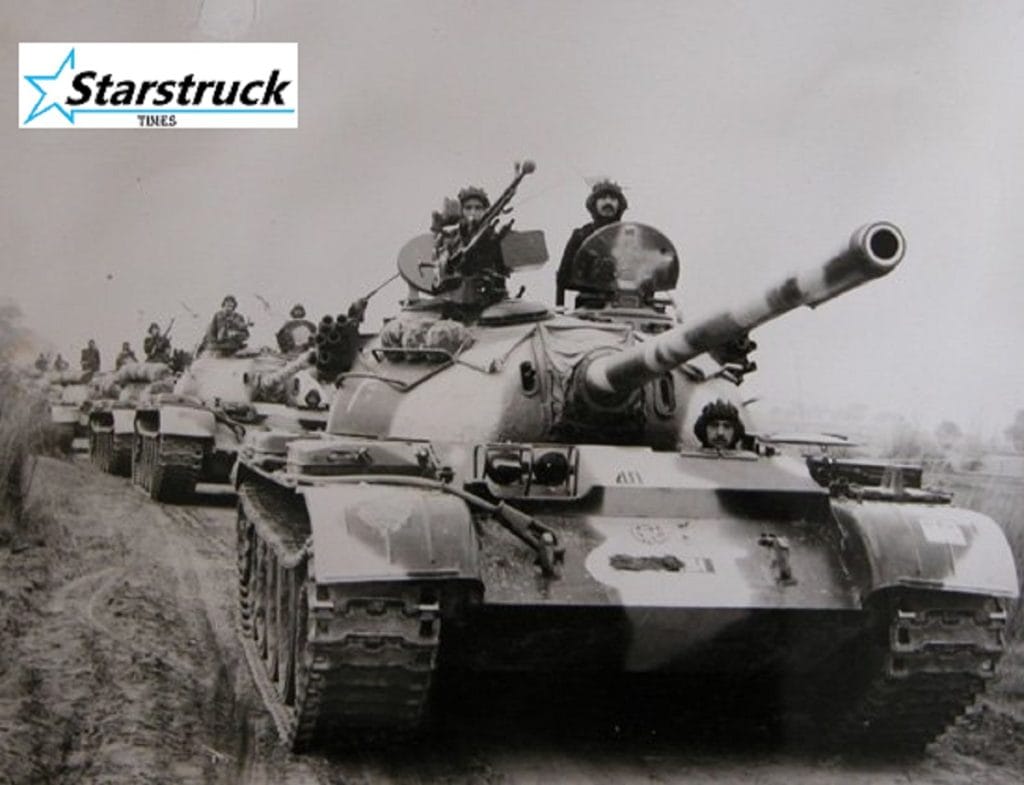
On March 25, 1971, the Pakistan military launched Operation Searchlight in Dhaka, sparking widespread violence.
The situation escalated into a civil war, with India supporting Bengali independence fighters.
After a nine-month war, Pakistan surrendered on December 16, 1971, and Bangladesh was born.
This war remains the most significant turning point in Pakistan–Bangladesh relations.
Post-1971 Relations: From Hostility to Diplomacy
1974: Pakistan officially recognized Bangladesh after pressure from the international community and the Islamic Summit.
1970s–1980s: Relations remained cold, marked by mistrust over war crimes and refugees.
1990s: Gradual improvement with increased trade and cultural exchange.
2000s–2010s: Relations fluctuated due to political changes in both countries.
Bangladesh pushed for Pakistan’s apology for 1971 atrocities.
Pakistan focused on trade and avoiding confrontation.
Economic and Trade Relations
Despite political tensions, trade between the two nations has grown modestly.
Pakistan exports textiles, cement, and agricultural goods to Bangladesh.
Bangladesh exports jute, tea, and seafood to Pakistan.
However, both countries rely more heavily on India and China for major trade deals, limiting their bilateral potential.
Cultural and People-to-People Ties
Language and culture remain different, but shared traditions like cricket, food, and music still connect the two peoples.
Cricket matches between Pakistan and Bangladesh are highly emotional and widely followed.
Many families remain linked across borders due to the 1971 separation.
The 2025 Historic Pact in Dhaka
In August 2025, Pakistan’s Finance Minister Ishaq Dar visited Dhaka, where Pakistan and Bangladesh signed multiple historic pacts aimed at reviving relations.
Trade Cooperation – Agreement to reduce tariffs and boost exports.
Cultural Exchange – Joint initiatives in education, media, and tourism.
Regional Security – Collaboration on counter-terrorism and stability in South Asia.
Investment Opportunities – Pakistan invited Bangladeshi investors, while Bangladesh sought support in energy and technology sectors.
Why It Matters:
First major breakthrough since the 1971 war.
Opens the door for greater South Asian cooperation beyond India-centric politics.
Signals a shift from hostility to mutual economic growth and regional peace.
Comparison of Relations: 1971 vs. 2025
Aspect
1971 (War Period)
2025 (Historic Pact)
Political Relations
Hostile, breaking apart
Cooperative, rebuilding ties
Trade
Non-existent
Growing, tariff reductions
Cultural Exchange
Severed
Promoted through joint programs
Regional Role
Conflict-driven
Focus on stability & peace
Challenges Ahead
Historical Memory: The 1971 war remains sensitive; calls for Pakistan’s apology persist.
Geopolitics: India’s role in the region complicates Pakistan–Bangladesh ties.
Economic Dependence: Both countries still rely heavily on larger powers (China, India, USA).
Conclusion
From the pain of 1971 to the promise of 2025, Pakistan–Bangladesh relations reflect South Asia’s struggle between division and cooperation. The Dhaka Pact of 2025 may not erase history, but it marks a new era of dialogue, trade, and partnership.
If both nations can move forward with sincerity, this could be the beginning of a stronger South Asian alliance, benefitting not just Pakistan and Bangladesh, but the entire region.
FAQs About Pakistan–Bangladesh Relations
Q1. Why did Pakistan and Bangladesh separate in 1971? ➡ Because of political, linguistic, and economic discrimination, which led to a civil war and eventual independence of Bangladesh.
Q2. Has Pakistan apologized for 1971? ➡ Pakistan has expressed regret but has not issued a formal state apology.
Q3. What is the importance of the 2025 Dhaka Pact? ➡ It is the first major step in decades toward meaningful cooperation in trade, security, and cultural exchange.
Q4. Were Pakistan and Bangladesh one country? ➡ Yes, from 1947 to 1971, Bangladesh was known as East Pakistan.
Q5. Do Pakistan and Bangladesh share cultural similarities? ➡ Yes, cricket, food, music, and Islamic traditions still connect the two nations.
What are your thoughts on the Pakistan–Bangladesh Dhaka Pact 2025? Do you believe it will truly change relations after decades of mistrust? Comment your views below — we’d love to hear from you!
Don’t forget to check out our related stories:
1971 Pakistan–Bangladesh War Explained
India–Pakistan–Bangladesh History Timeline
Follow our blog for more trending South Asian News & History Updates!
Hello! I'm M Muzamil Shami, the founder and lead editor of Star Struck Times, your trusted source for trending news, entertainment scoops, celebrity gossip, sports highlights, and global headlines.
With a passion for storytelling and journalism, I created this platform to bring you breaking news, viral moments, and deep insights into the worlds of Bollywood, Hollywood, sports, politics, tech, and more — all in one place.