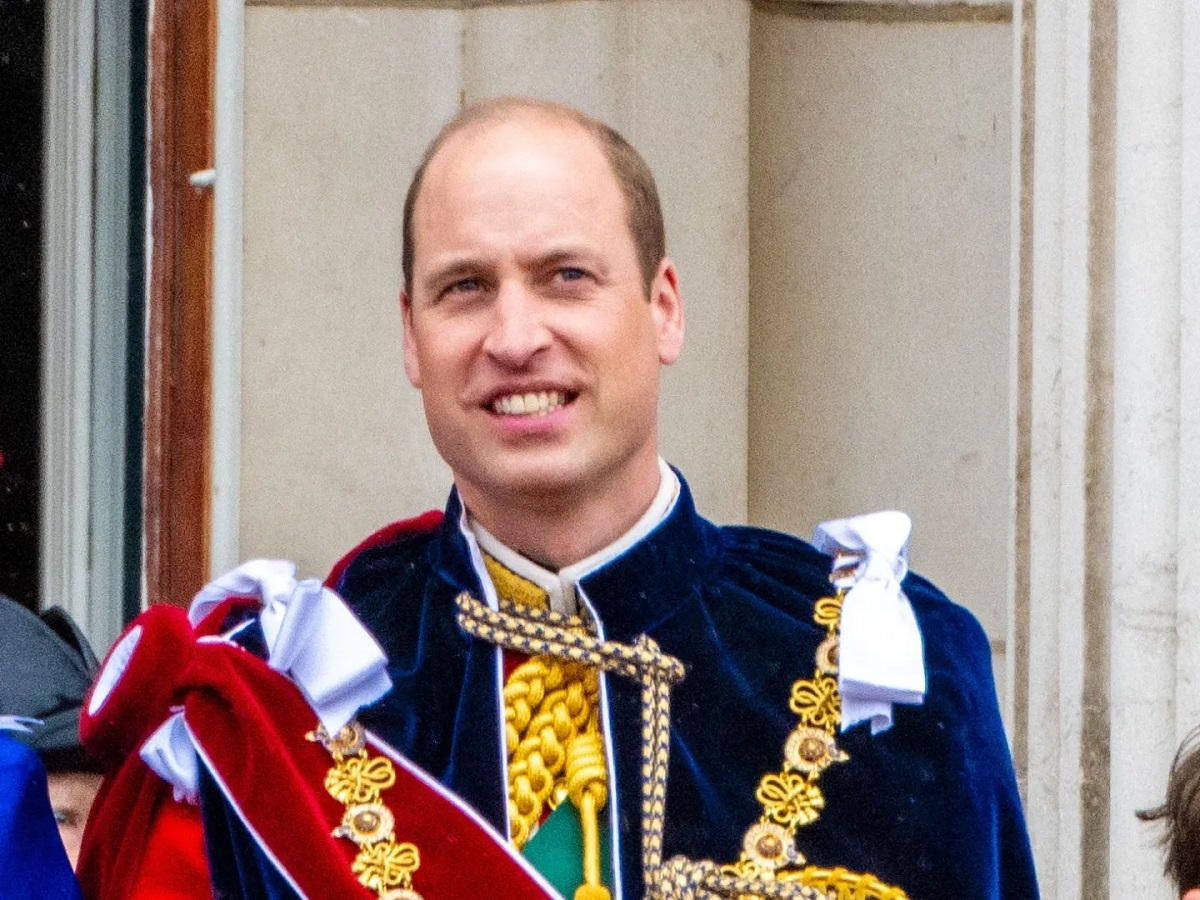
Prince William takes on expanding royal responsibilities in 2026 amid leadership transition
London, United Kingdom — Star Struck Times
A noticeable Prince William power shift is quietly unfolding inside the British monarchy, as Prince William reportedly takes on greater responsibilities amid ongoing health concerns surrounding King Charles III. Multiple credible reports suggest the Prince of Wales is stepping deeper into leadership duties, signaling a potential early transition phase. The development matters not only for the royal family but also for the future direction of the monarchy itself—raising one critical question: Is the next King already in control behind the scenes?
Key Highlights
Prince William is reportedly assuming expanded royal duties in 2026
Move linked to King Charles III’s recent health concerns
Signals early preparation for future kingship
Royal insiders describe a “gradual power transition”
Public interest surges amid monarchy stability questions
What’s Happening Inside the Palace?
The latest developments indicate that Prince William is no longer just preparing for kingship—he is actively stepping into it. According to reporting from organizations like People Magazine and InStyle, William has been increasingly visible in high-level engagements, including diplomatic responsibilities and institutional decision-making.
This shift comes after King Charles III resumed public appearances following cancer treatment, though concerns about his long-term health remain a central topic of public discussion.
A senior royal commentator noted: “William is not replacing the King—but he is clearly preparing for scenarios where continuity becomes critical.”
Public Reaction and Royal Signals
Public response has been sharply divided. While many royal supporters see the transition as necessary and reassuring, others interpret it as a sign of deeper instability within the monarchy.
One royal observer commented online: “Better to prepare early than face uncertainty later.”
Meanwhile, critics argue that the monarchy is entering a new era of quiet restructuring, where visibility and influence may not always align with official titles.
Notably, Catherine, Princess of Wales has also played a more prominent public role, reinforcing the image of a future royal leadership team already in motion.
Why This Power Shift Matters Now
The timing of this development is crucial.
The British monarchy has historically relied on clear lines of succession, but the modern era demands adaptability. Health concerns surrounding King Charles III have accelerated conversations that were once considered premature.
Experts suggest this is less about replacement and more about risk management.
A constitutional analyst explained: “Institutional continuity is everything. What we’re seeing is not a crisis—it’s a controlled evolution.”
This shift also comes amid ongoing tensions involving Prince Harry and Meghan Markle, which have reshaped public perception of the royal family.
Historical Context: Has This Happened Before?
While unusual in modern times, gradual power transitions are not unprecedented.
During the later years of Queen Elizabeth II’s reign, senior royals—including Prince Charles at the time—took on expanded duties as part of succession planning.
However, the current situation differs in one key aspect: The speed and visibility of the transition are much higher, driven by media scrutiny and global interest.
What Other Reports Missed
Most headlines focus on health concerns and succession, but the deeper shift lies in institutional modernization.
Prince William represents a younger, more globally aware monarchy—one that prioritizes public engagement, digital presence, and strategic influence.
What’s often overlooked is that this is not just about becoming King. It’s about redefining what the monarchy will look like in the next decade.
This includes:
More transparent communication
Stronger global diplomacy role
Reduced reliance on traditional royal protocols
In short, this is not just a leadership shift—it’s a structural transformation.
What Happens Next?
The coming months will be critical.
If King Charles III continues public duties, the transition may remain gradual. However, any further health developments could accelerate Prince William’s rise into a more formal leadership position.
For now, one thing is clear: The future King is no longer waiting—he is already stepping into power.
FAQs
1. Is Prince William officially taking over as King? No, King Charles III remains the reigning monarch. William is only taking on additional responsibilities.
2. Why is Prince William gaining more power now? This is linked to succession planning and health concerns surrounding the King.
3. Is this a sign of a royal crisis? Not necessarily. Experts describe it as a controlled and strategic transition.
4. How is the public reacting to this shift? Reactions are mixed—some see stability, others see uncertainty.
5. Does this affect Prince Harry and Meghan Markle? Indirectly. The shift may further widen the existing divide within the royal family.
Hello! I'm M Muzamil Shami, the founder and lead editor of Star Struck Times, your trusted source for trending news, entertainment scoops, celebrity gossip, sports highlights, and global headlines.
With a passion for storytelling and journalism, I created this platform to bring you breaking news, viral moments, and deep insights into the worlds of Bollywood, Hollywood, sports, politics, tech, and more — all in one place.