Critics question Prince Harry and Meghan Markle’s Australia visit amid royal status debate
Karachi, Pakistan — 18 April 2026, 10:00 AM PKT — Star Struck Times
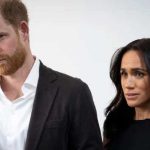
The ongoing debate surrounding Prince Harry and Meghan Markle has intensified once again after fresh criticism of their recent Australia engagements, which some royal commentators have described as a “faux royal tour.” According to analysis shared in a Fox News Digital interview and commentary by YouTube host Kinsey Schofield, the couple’s overseas appearances are now being viewed as commercially driven rather than royal duty-based. The discussion, also echoed in reports by Yahoo News and The News International, highlights growing tensions over how the Sussexes continue to use their royal titles after stepping back from official duties.
This latest wave of criticism raises a deeper question about identity, influence, and the future relevance of the Duke and Duchess of Sussex within the broader royal narrative.
Key Highlights
Critics label Harry and Meghan’s Australia visit a “faux royal tour”
Kinsey Schofield calls them “rent-a-royals” in viral commentary
Experts claim royal family is unhappy with title usage
Allegations suggest monetization of royal identity continues
Debate reignites over “half-in, half-out” royal status rejection
Public reaction divided between support and criticism
What Sparked the ‘Rent-a-Royals’ Backlash?
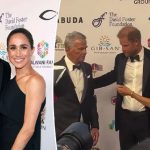
The controversy began after Prince Harry and Meghan Markle’s Australia engagements, which some royal commentators argue closely resemble official royal tours despite the couple no longer holding active royal duties.
During an appearance on Fox News Digital, royal commentator Kinsey Schofield described the tour as a “rent-a-royal operation,” suggesting that the couple’s use of royal branding continues to blur boundaries set after their departure from royal life in 2020.
She also claimed the royal institution remains uncomfortable with such appearances, referencing the late Queen Elizabeth II’s firm stance against any “half-in, half-out” royal arrangements during the Megxit negotiations.
Royal Titles Under Scrutiny Again
The discussion has reignited one of the most sensitive issues in modern royal history: the use of titles by non-working royals.
According to commentary cited by Yahoo News and The News International, critics argue that Harry and Meghan’s continued global visibility is heavily tied to their royal identity—even as they build independent ventures in media and business.
Schofield further suggested that “most of Prince Harry’s family refuse to take his calls,” a claim that reflects ongoing speculation about strained relationships within the royal household, though no official confirmation has been provided by Buckingham Palace.
Royal observers argue that this tension stems from unresolved expectations following their exit from royal duties.
Why This Debate Still Matters in 2026
The issue is not just about a single tour—it reflects a broader identity crisis within modern monarchy branding.
Experts note that Prince Harry, Duke of Sussex, and Meghan Markle remain global media figures whose influence often intersects with royal narratives, even when not officially representing the Crown.
A royal historian quoted in British media analysis suggests:
“The monarchy depends on controlled symbolism. When that symbolism is used outside its structure, it creates institutional discomfort.”
This is why every international appearance by the Sussexes continues to generate global attention and debate.
What Other Reports Missed
Most coverage focuses on whether the Australia visit was “official” or “private,” but a deeper layer is often ignored: the commercial storytelling of royalty itself.
In today’s media environment, visibility is currency. Analysts argue that Harry and Meghan’s global relevance is sustained not only through controversy but also through continuous audience demand for royal-related content.
What many reports fail to highlight is that this isn’t just a feud—it’s a shift in how monarchy interacts with modern celebrity culture. The line between public service and personal branding is increasingly blurred, and the Sussexes sit at the center of that evolution.
Public Reaction: Divided but Loud
Social media reactions remain sharply divided:
Some users argue the couple is “modernizing outdated royal expectations”
Others believe they are “profiting from royal status while rejecting royal responsibility”
A trending sentiment on X (formerly Twitter) summarized the divide:
“They left the institution but never left the identity.”
This ongoing split continues to fuel engagement and media cycles worldwide.
The Bigger Picture: Royal Identity in a Digital Age
The core issue is not simply Prince Harry and Meghan Markle latest news, but the evolving definition of monarchy in a digital-first world.
Once defined by silence and structure, royal influence is now shaped by documentaries, interviews, streaming platforms, and global media appearances. The Sussexes have embraced this shift more aggressively than most senior royals, which naturally creates tension with traditionalists.
Whether viewed as innovation or disruption, their approach has permanently altered how royal narratives are consumed globally.
What Happens Next
Royal commentators expect further scrutiny if Harry and Meghan continue international engagements resembling official tours. The key question remains whether the royal family will respond publicly or continue maintaining silence.
For now, the debate over “rent-a-royals” shows no signs of slowing down, and each new appearance by the couple adds another layer to an already complex relationship with the monarchy.
FAQs
1. Why are Prince Harry and Meghan Markle called ‘rent-a-royals’? Because critics believe they are using royal branding during non-official engagements.
2. Did the royal family respond to the Australia tour? No official statement has been issued by Buckingham Palace.
3. What is Megxit? It refers to Harry and Meghan stepping back from senior royal duties in 2020.
4. Are Harry and Meghan still working royals? No, they are no longer active working members of the royal family.
5. Why is their royal status controversial? Because they retain titles while operating independently outside the institution.
Hello! I'm M Muzamil Shami, the founder and lead editor of Star Struck Times, your trusted source for trending news, entertainment scoops, celebrity gossip, sports highlights, and global headlines.
With a passion for storytelling and journalism, I created this platform to bring you breaking news, viral moments, and deep insights into the worlds of Bollywood, Hollywood, sports, politics, tech, and more — all in one place.