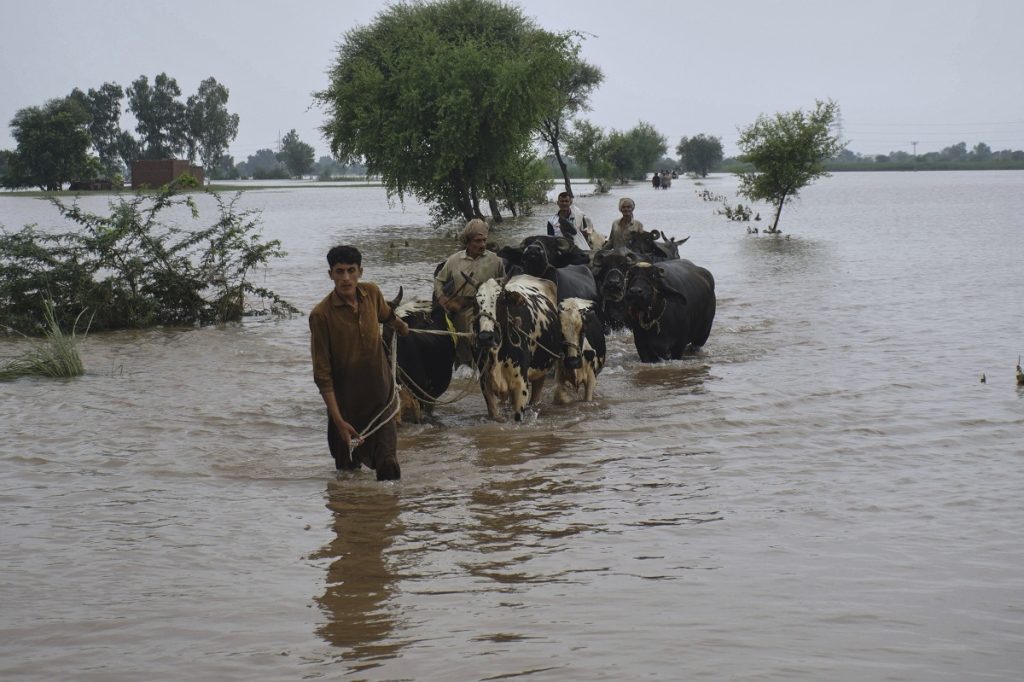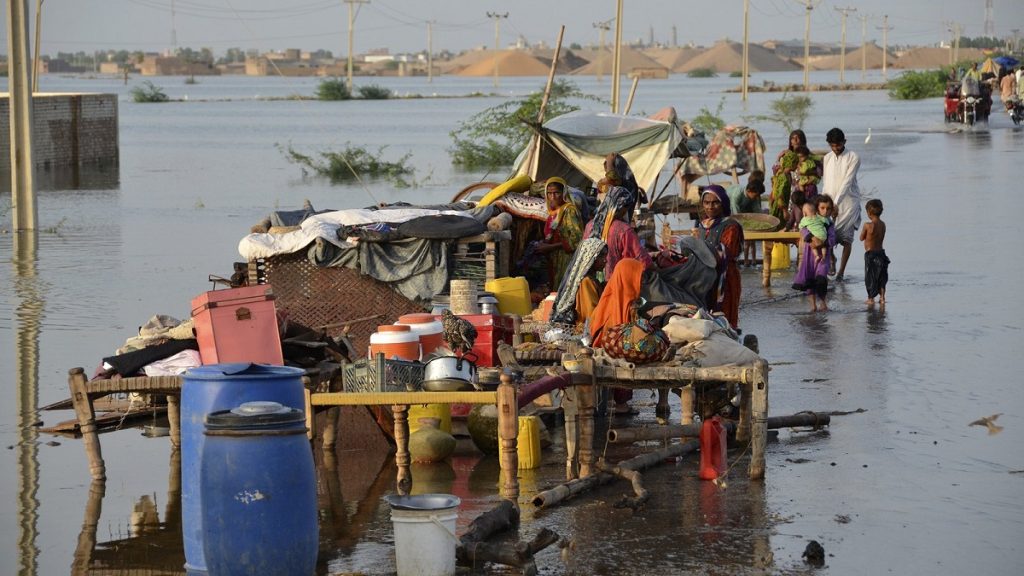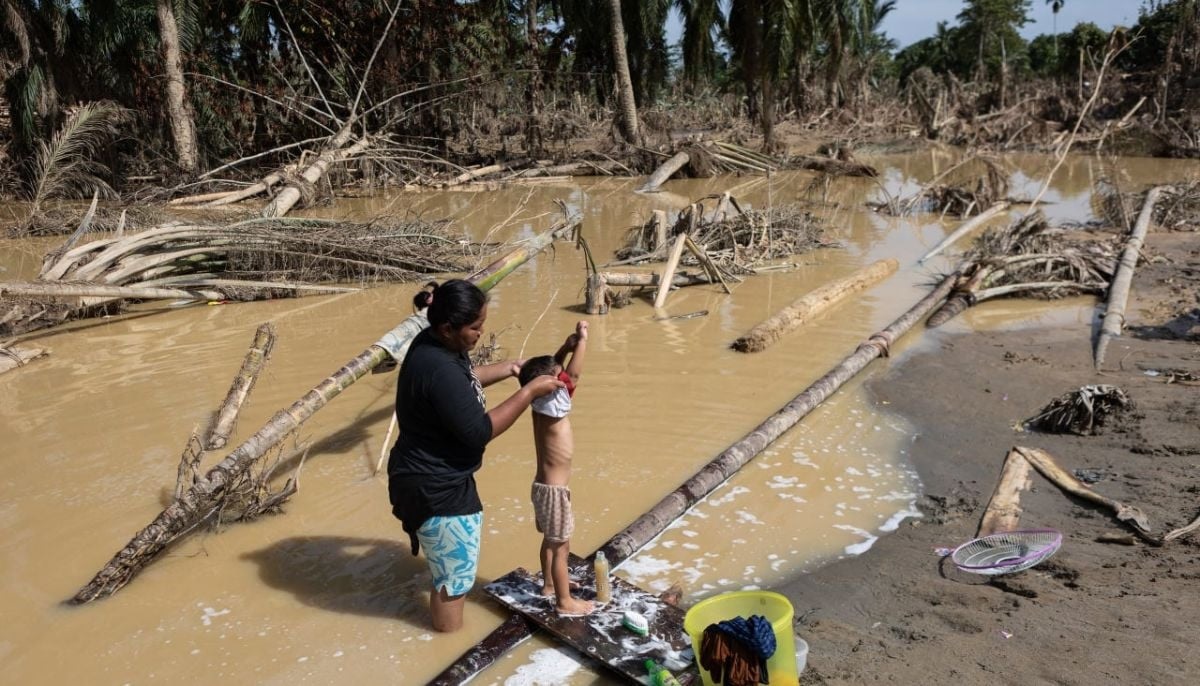
Historic floods devastate Sumatra as over a million are displaced and recovery costs surge into trillions.
The Indonesia flood tragedy has turned into one of the country’s deadliest climate disasters, with the death toll crossing 1,000, according to official rescue reports. As reported by Indonesian authorities, Sumatra Island now requires 51.82 trillion rupiah ($3.11 billion) for reconstruction, highlighting the scale of devastation and urgent humanitarian needs.
Key Points
- 1,003 confirmed dead as floods and landslides ravage Sumatra
- 218 people missing, death toll expected to rise
- 1.2 million displaced, shelter shortages reported
- $3.11 billion needed for reconstruction and recovery
- Aceh Province requires the largest share of recovery funds
Jakarta (Star Struck Times) — Indonesia is facing one of its worst climate disasters in recent memory as catastrophic floods and landslides sweeping across Sumatra Island have killed at least 1,003 people, injured thousands, and displaced more than a million residents, according to official reports released Saturday. Authorities warn the toll may rise further, with hundreds still unaccounted for as rescue operations continue across hard‑hit provinces.

The Indonesia flood tragedy, triggered by days of relentless torrential rain, has overwhelmed emergency systems in North Sumatra, Aceh, and West Sumatra, regions already vulnerable to extreme weather. The National Disaster Mitigation Agency confirmed that more than 5,400 people were wounded, while 218 individuals remain missing, raising fears that the final casualty figure could climb even higher.
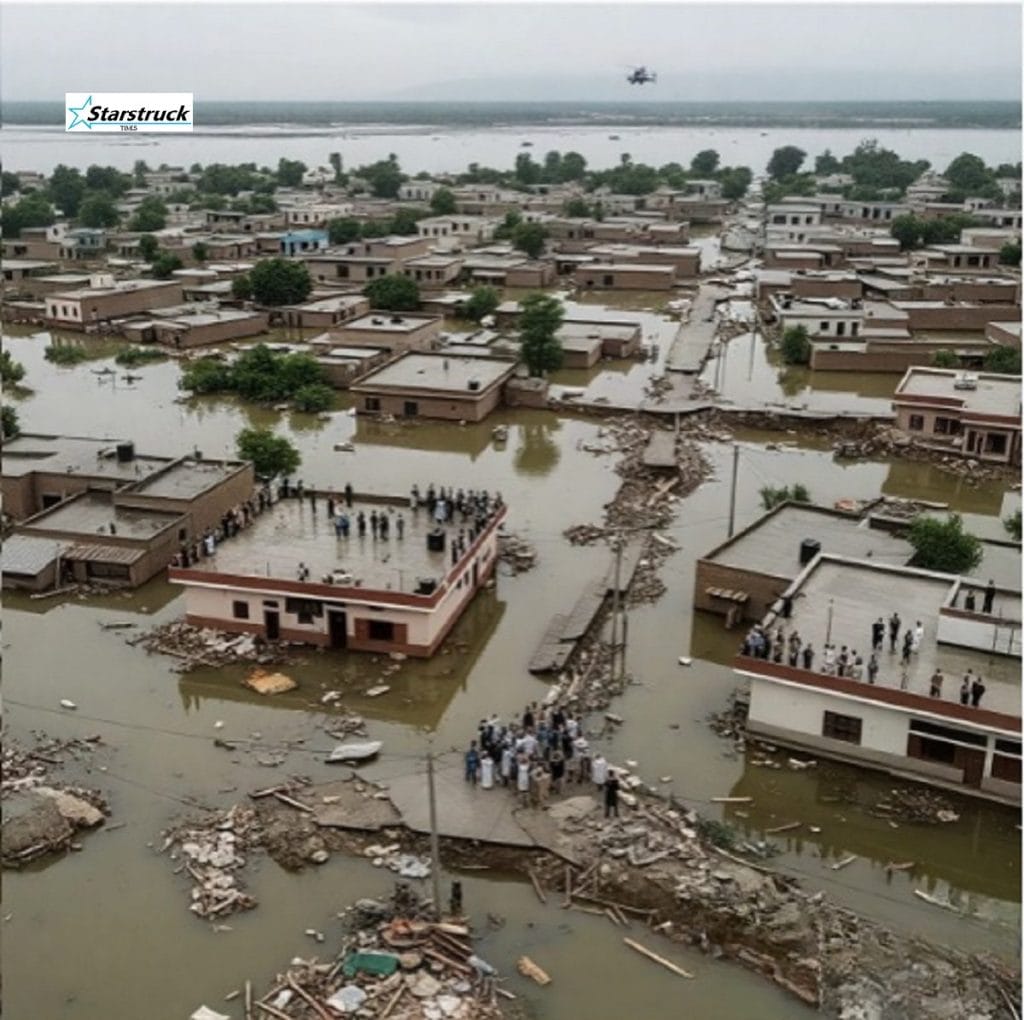
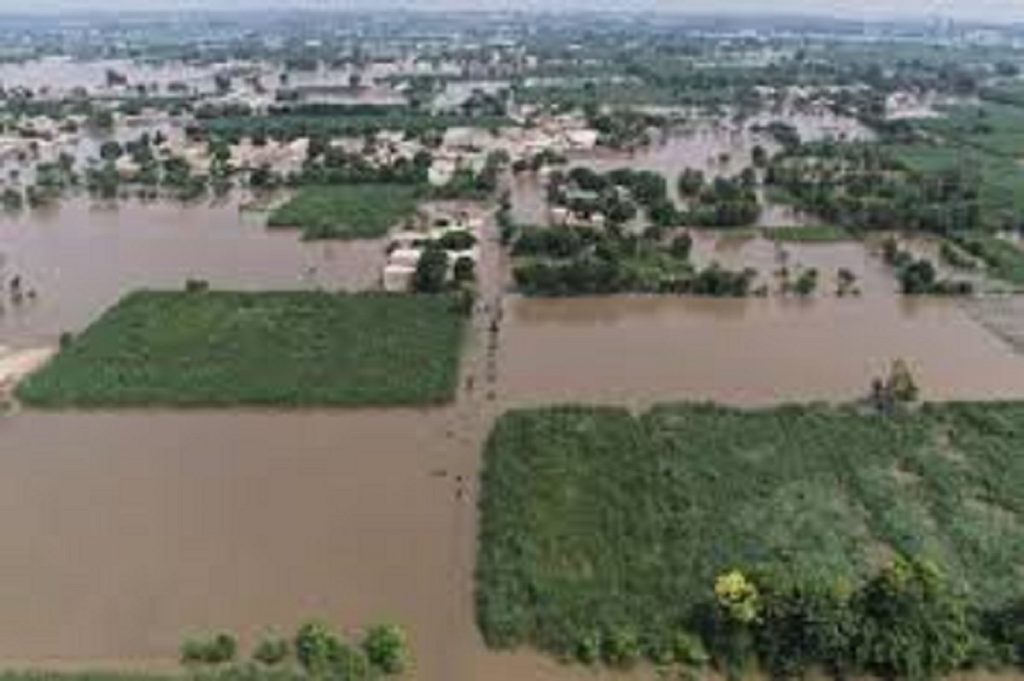
Entire towns were submerged within hours as rivers burst their banks, triggering deadly landslides that swept away homes, vehicles, and infrastructure. In several remote areas, roads collapsed and bridges were washed out, cutting off communities and delaying rescue teams struggling to reach survivors trapped under mud and debris.
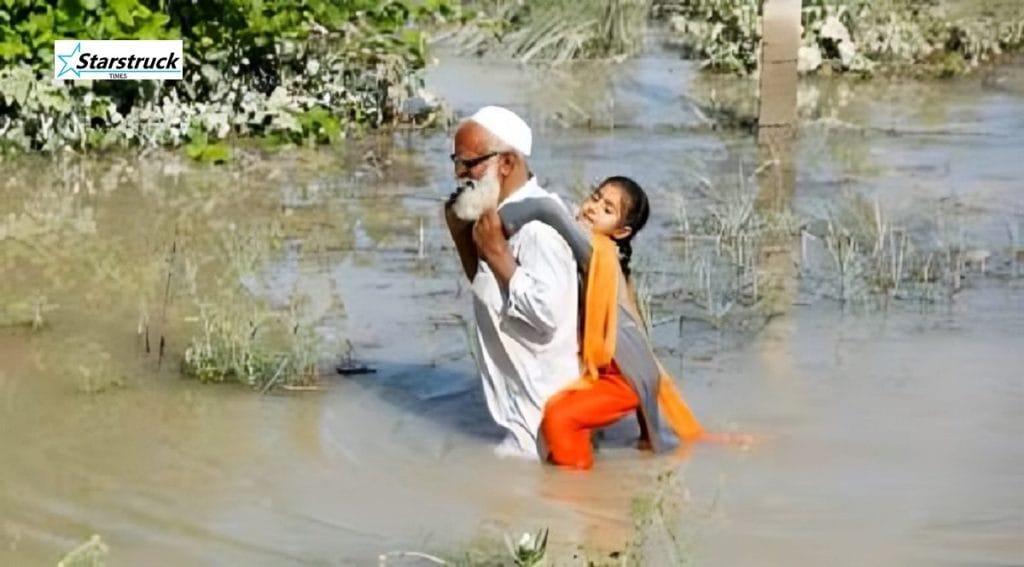
More than 1.2 million people have been displaced, forcing families to seek refuge in temporary shelters, schools, and makeshift camps. Survivors described scenes of chaos and despair as floodwaters rose rapidly overnight, leaving little time to evacuate. “We ran with nothing but our children,” said one displaced resident from Aceh. “The water came too fast. Everything else was lost.”
As the humanitarian crisis deepens, frustration is growing among evacuees over what many describe as the slow pace of relief efforts. Food shortages, overcrowded shelters, and limited access to clean water have intensified tensions in some camps, with displaced families demanding faster assistance and clearer communication from authorities.

The disaster has also placed enormous pressure on Indonesia’s economy. Government officials estimate that Sumatra Island will require 51.82 trillion rupiah ($3.11 billion) for reconstruction and recovery, covering damaged homes, public infrastructure, roads, schools, and healthcare facilities. Among the three affected provinces, Aceh Province faces the largest recovery burden, requiring 25.41 trillion rupiah, nearly half of the total projected cost.
President Prabowo Subianto, who visited flood‑affected areas in Langkat, North Sumatra, said conditions on the ground were gradually improving, though challenges remain. “Here and there, due to natural and physical conditions, there have been slight delays,” Prabowo said. “But I checked all the evacuation sites. Their conditions are good, services are adequate, and food supplies are sufficient.”
Despite official assurances, aid workers and local volunteers say the scale of devastation has strained logistics. “This is not just flooding; it’s a compound disaster,” said a humanitarian volunteer coordinating relief in West Sumatra. “When landslides follow floods, rescue becomes extremely dangerous and slow.”
The Sumatra floods are being described by experts as one of the most severe climate‑driven disasters to hit Indonesia in years, underscoring the country’s growing vulnerability to extreme weather. Indonesia, an archipelago of more than 17,000 islands, frequently experiences floods and landslides during the rainy season, but scientists warn that climate change is intensifying rainfall patterns, making disasters more frequent and deadly.
Memories of past tragedies remain fresh for many Indonesians, particularly in Aceh, which suffered catastrophic losses during the 2004 Indian Ocean tsunami. While the current disaster is different in nature, residents say the emotional toll is similar. “We survived the tsunami years ago,” said a local community leader. “Now floods are taking our homes and our families again.”
Social media has been flooded with images of submerged villages, collapsed roads, and exhausted rescue workers pulling survivors from debris, fueling national and international attention. Many Indonesians have taken to online platforms to call for stronger disaster preparedness and faster government response, while climate activists warn that such tragedies will become more common without urgent mitigation efforts.
As search‑and‑rescue teams continue combing affected areas, authorities remain focused on locating the missing and preventing secondary disasters, including disease outbreaks in overcrowded shelters. Heavy rains are expected to persist in parts of Sumatra, raising concerns about further flooding and landslides in already weakened terrain.
For now, Indonesia faces a long and painful road to recovery. With thousands grieving lost loved ones and millions rebuilding shattered lives, the Indonesia flood tragedy stands as a stark reminder of the human cost of extreme weather — and the urgent need for resilient infrastructure, rapid response systems, and climate‑adapted planning.
FAQs
Q: Why are floods so deadly in Sumatra?
A: Heavy rainfall, deforestation, poor drainage, and mountainous terrain increase flood and landslide risks.
Q: Is climate change a factor?
A: Experts say climate change is intensifying rainfall, making floods more frequent and severe.
Q: Are relief efforts improving?
A: Authorities report progress, but access challenges and scale remain major hurdles.
© 2025 Star Struck Times. All rights reserved.