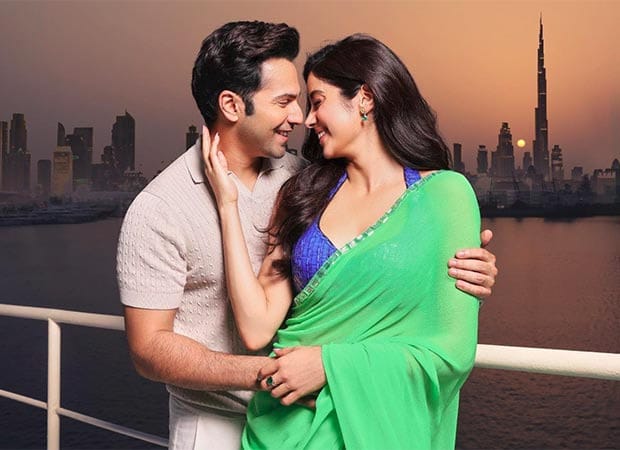
Bollywood stars rally for compassion against Supreme Court's stray dog culling decision
Key Points
Supreme Court approves culling of stray dogs, triggering nationwide backlash
Bollywood celebrities Janhvi Kapoor, Varun Dhawan, Vir Das, and Varun Grover condemn the order
Calls for compassion, adoption, and sterilization as humane alternatives grow louder
Social media flooded with debates and petitions demanding a review of the order
Bollywood Celebrities Outraged by Supreme Court’s Stray Dog Culling Order: Compassion Calls Grow Louder
In a decision that has sparked a wave of controversy and passionate debate across India, the Supreme Court recently approved an order allowing the culling of stray dogs. This ruling has not only ignited public outrage but also prompted a strong response from Bollywood’s biggest names, including Janhvi Kapoor and Varun Dhawan, who have emerged as vocal opponents, urging the government to reconsider and pursue more humane solutions.
The Supreme Court’s Controversial Order
The Supreme Court of India, in a recent verdict, authorized the culling of stray dogs deemed aggressive or dangerous. The order, seen by many as a death sentence for countless innocent animals, is aimed at controlling the population of stray dogs and addressing public safety concerns. However, this directive has opened a fierce debate over animal rights, ethics, and public policy.
Animal welfare organizations and activists argue that culling is an inhumane and outdated approach that ignores scientific evidence supporting sterilization and adoption programs as effective population control methods. The order has consequently drawn sharp criticism from various quarters of society, including celebrities who use their platforms to influence positive change.
Bollywood Stars Speak Out: Voices of Compassion and Action
Janhvi Kapoor Leads the Charge
One of Bollywood’s youngest and most influential actresses, Janhvi Kapoor, took to social media to express her shock and dismay over the Supreme Court’s ruling. “There is no place for cruelty in a civilized society,” Janhvi tweeted, calling the culling a “death sentence with no compassion.”
Janhvi urged fans and policymakers alike to focus on humane methods like adoption and sterilization, emphasizing that every life matters and that the government should invest in sustainable, ethical solutions.
Varun Dhawan Joins the Movement
Acclaimed actor Varun Dhawan echoed similar sentiments, highlighting the urgent need for better animal welfare policies. In an emotional Instagram post, Varun wrote, “We have a responsibility to protect those who cannot protect themselves. Culling is not the answer.”
He encouraged his millions of followers to support animal shelters and NGOs working tirelessly to care for and rehabilitate stray dogs, stressing that empathy and education can drive long-lasting change.
Other Celebrity Advocates Amplify the Message
Comedians and activists such as Vir Das and Varun Grover also raised their voices against the order. Vir Das shared a poignant video message pleading for compassion, while Varun Grover penned a heartfelt letter calling for increased awareness and community involvement.
Public Reaction and Wider Impact
The Supreme Court’s order has led to widespread discussions on social media platforms, trending hashtags demanding justice for stray dogs, and several petitions demanding its immediate revocation. Citizens, animal rights organizations, and even local authorities are now debating the best way forward.
Many argue that mass culling may solve immediate safety concerns but will lead to larger ecological imbalances and public health risks. Instead, they advocate for Trap-Neuter-Return (TNR) programs, which have proven effective in many parts of the world.
Why Humane Alternatives Matter
Trap-Neuter-Return (TNR) is a non-lethal method involving the capture, sterilization, vaccination, and return of stray dogs to their territory. This approach prevents overpopulation while maintaining ecological balance and reducing the risk of rabies and other diseases.
Adoption drives and awareness campaigns further encourage communities to accept and care for strays rather than resorting to violence. Experts insist that these measures, combined with community participation, are the most sustainable way to address the stray dog issue.
FAQs
Q1: Why did the Supreme Court approve the culling of stray dogs? Answer: The Court aims to control the stray dog population to reduce attacks and ensure public safety but has faced criticism for overlooking humane alternatives.
Q2: What are humane alternatives to culling? Answer: Sterilization, vaccination, adoption, and Trap-Neuter-Return (TNR) programs are widely recognized as effective and ethical ways to manage stray dog populations.
Q3: How are Bollywood celebrities helping stray dogs? Answer: Celebrities use their platforms to raise awareness, advocate for humane treatment, support NGOs, and influence policy changes toward compassion.
Q4: What can citizens do to help? Answer: Support local animal shelters, volunteer for rescue missions, promote adoption, and participate in awareness campaigns about humane animal welfare.
Are you outraged by the Supreme Court’s order? Join the movement! Share your support for stray dogs by promoting humane treatment. Visit your local shelter, spread awareness, and demand ethical policies. Comment below: What humane solution do you think can help solve the stray dog crisis? Let’s start a compassionate conversation.
Hello! I'm M Muzamil Shami, the founder and lead editor of Star Struck Times, your trusted source for trending news, entertainment scoops, celebrity gossip, sports highlights, and global headlines.
With a passion for storytelling and journalism, I created this platform to bring you breaking news, viral moments, and deep insights into the worlds of Bollywood, Hollywood, sports, politics, tech, and more — all in one place.