Ramallah, West Bank — Star Struck Times
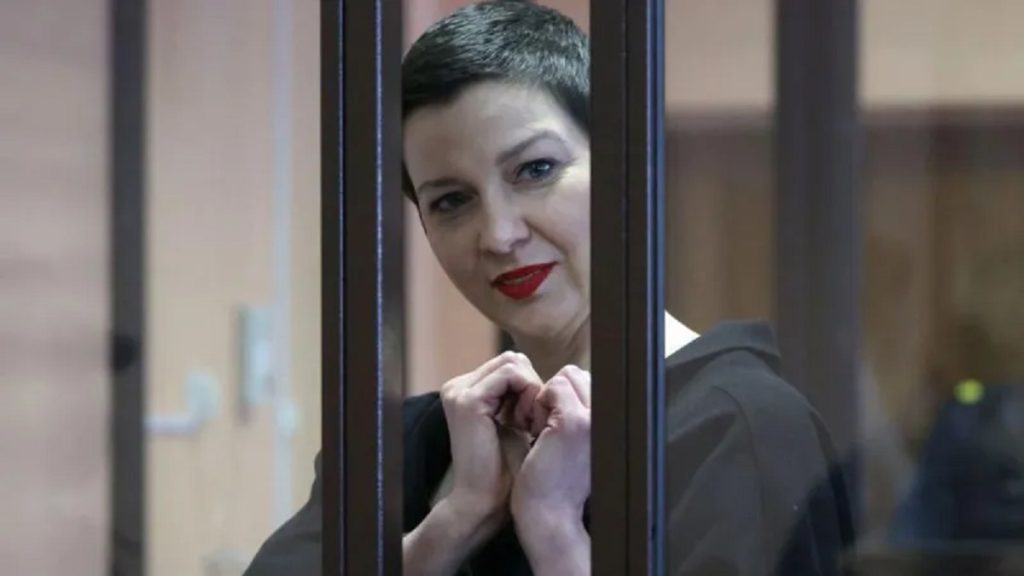
Veteran Palestinian journalist Ali al‑Samoudi, a witness to the 2022 killing of Al Jazeera correspondent Shireen Abu Akleh, has been held in administrative detention by Israeli authorities for nearly a year, prompting urgent international concern over press freedom and human rights. Al‑Samoudi, 59, was initially arrested on April 8, 2025 in Jenin and has since suffered severe health deterioration amid alleged medical neglect in custody. Rights groups, journalists’ unions, and diplomatic observers say his continued detention without formal charges represents a growing crisis in protections for journalists in conflict zones.
Key Highlights
- Veteran journalist Ali al‑Samoudi detained without charge for nearly a year by Israel under administrative detention.
- Al‑Samoudi was with colleague Shireen Abu Akleh when she was fatally shot in May 2022.
- International press freedom advocates label the detention a violation of human rights and international law.
- Palestinian and global rights groups are calling for immediate release and accountability.
- Al‑Samoudi’s health has sharply declined, raising fears for his life.
What Happened: Arrest and Administrative Detention
On April 8, 2025, Israeli forces raided a home in Jenin and arrested Ali al‑Samoudi, accusing him of allegedly transferring funds to Palestinian Islamic Jihad — an organisation Israel designates as terrorist. However, Israeli military statements later admitted “no sufficient evidence” existed to formally charge him, instead issuing administrative detention orders renewed multiple times, placing him in custody at facilities including Megiddo prison in northern Israel. Administrative detention allows imprisonment without formal charge or trial, a practice human‑rights organisations decry as contrary to international legal norms.

Al‑Samoudi — who was seriously injured by gunfire on May 11, 2022 while reporting with Shireen Abu Akleh — has remained in detention through 2025 and into early 2026, with orders repeatedly extended. According to Wafa news agency, Israeli authorities justify the detention on purported “security concerns,” a rationale pressed widely in other administrative detention cases involving Palestinians.
Experts in international law note that administrative detention, when prolonged without evidence disclosure or trial rights, undermines due process norms. “Holding journalists without charge erodes the rule of law and chills critical reporting,” said one legal analyst specialising in human rights.
Public and Official Reaction
The Palestinian Journalists Syndicate (PJS) issued a stark warning that al‑Samoudi’s life is at risk due to severe medical neglect. PJS described the detainment as “a blatant violation of international law and press freedom,” urging global bodies to intervene. “His continued detention without charge is unjust and unacceptable,” a PJS spokesperson said.
International rights groups have also weighed in. Reporters Without Borders (RSF) has highlighted escalating threats to journalists in the conflict, noting that dozens of Palestinian media professionals have been killed or imprisoned since 2022. According to RSF’s global press freedom reports, journalists operating in conflict zones face heightened risks, often with limited protection from authorities.

A statement from Human Rights Watch said: “The use of administrative detention against a journalist — especially one with known health issues — raises serious concerns about Israel’s obligations under international human rights law.”
Social media reactions amplify these concerns. On X (formerly Twitter), users shared petitions and statements calling for al‑Samoudi’s release. One Palestinian media supporter wrote: “He witnessed truth and now faces punishment for it — this is an attack on free press everywhere.”
Health Conditions and Treatment in Detention
Reports from the Palestinian Prisoner’s Society (PPS) indicate that al‑Samoudi’s health has markedly deteriorated since his detention. Sources allege he has lost significant weight and suffers from multiple medical conditions — including diabetes complications, stomach ulcers, gum bleeding, chronic headaches, and recurrent fainting — amid what they describe as deliberate neglect by prison medical staff.
During transfers and detainment in facilities such as Negev’s Section 15, Palestinian news agencies reported that his glasses were broken, and he endured harsh handling. PPS and affiliated human‑rights advocates insist that failure to provide adequate medical care contravenes standards set by international bodies for the treatment of detainees.
Israeli prison authorities have not publicly responded to specific claims about al‑Samoudi’s medical treatment. However, officials maintain that administrative detention is used when security evidence cannot be revealed publicly, typically due to sensitivity.
Why It Matters: Press Freedom and International Law
Al‑Samoudi’s case underscores broader international concerns about the safety and freedom of journalists operating in conflict zones — particularly in the Israeli‑Palestinian context. Press freedom advocate groups argue that administrative detention without transparent evidence violates due process, which is a bedrock of democratic legal systems.
According to the Committee to Protect Journalists (CPJ), the number of Palestinian journalists detained by Israeli authorities increased significantly following the onset of the Gaza conflict in October 2023. While a ceasefire was brokered in late October 2025, restrictions and risks for reporters have continued, with hundreds of deaths and detentions reported among media workers in Gaza and the West Bank.
Media analysts stress that such cases can erode global confidence in safeguards for journalists. “When journalists are detained without clear charges, it creates a chilling effect on reporting critical events,” said an independent press freedom expert. This has implications not only in the Middle East but for coverage of conflicts worldwide, where investigative journalism often relies on protections that administrative detention policies can undermine.
Context: Past Precedents and Trends
Israel has a documented history of detaining or killing journalists during periods of intense hostilities. The death of Shireen Abu Akleh in May 2022 drew international outrage; independent investigations suggested she was shot by a sniper while on assignment. Al‑Samoudi, who was injured in that shooting, has since become a prominent symbol of the risks faced by journalists in the region.
According to RSF and CPJ, multiple journalists from Palestinian media outlets have been killed or detained over the past several years, a trend that increased sharply after the outbreak of major hostilities. These organisations cite lack of accountability for attacks on journalists as a key concern for press freedom worldwide.
What Happens Next
Rights groups are intensifying appeals to the United Nations, international courts, and press freedom coalitions to press for al‑Samoudi’s immediate release and to challenge administrative detention practices. Continued global advocacy may influence diplomatic pressure, but formal legal proceedings for detainees held under administrative orders remain rare.
As civil society groups mobilise, observers will watch for responses from Israeli institutions, potential legal challenges, and further international statements addressing the rights of journalists in conflict zones.
FAQs
Q1: What is administrative detention?
Administrative detention allows authorities to detain individuals without formal charges or trial based on undisclosed evidence, often justified by security claims. Human rights organisations frequently challenge its use as a violation of due process and international law.
Q2: Why was Ali al‑Samoudi detained?
Israeli authorities initially accused al‑Samoudi of transferring funds to an organisation Israel labels as terrorist. Later statements admitted insufficient evidence, leading to his detention under administrative orders instead of formal charges.
Q3: What health issues is the journalist facing?
Rights groups report that al‑Samoudi has lost significant weight and suffers from ailments including diabetes complications, stomach ulcers, chronic headaches, and recurrent fainting, amid alleged inadequate medical care in prison.
Q4: How has the international community reacted?
Groups like RSF, CPJ, and Human Rights Watch have condemned the detention, calling it a violation of press freedom and international legal norms, and urged immediate release and improved protections for journalists.
Q5: What are the implications for press freedom?
Detaining journalists without clear charges can create a chilling effect on reporting in conflict zones, undermining independent journalism and eroding protections vital to democratic societies.
Stay informed about press freedom and global human rights developments. Share your thoughts on Ali al‑Samoudi’s case and support independent journalism by following Star Struck Times for the latest updates and in-depth reporting.
Sources
- Al Jazeera
- Reporters Without Borders (RSF)
- Committee to Protect Journalists (CPJ)