Karachi, Pakistan — Star Struck Times
A developing storm system over Gujarat, India, is expected to move westward and influence south-eastern Sindh, including Karachi and Tharparkar, bringing rain, thunderstorms, and gusty winds in the coming days. Meteorological authorities say the system could trigger moderate to locally heavy rainfall, prompting early advisories for residents, farmers, and disaster-response agencies. The potential weather shift matters as Sindh continues to face climate volatility, urban flooding risks, and agricultural sensitivity during seasonal transitions.
Key Highlights
- Storm system forming over Gujarat, India
- Expected impact on Karachi, Tharparkar, and nearby districts
- Moderate to heavy rainfall possible in pockets
- Risk of thunderstorms and gusty winds
- Authorities monitoring for urban flooding
- Farmers advised to stay alert
What Is Happening and Where
Meteorologists tracking regional weather patterns report that a low-pressure storm system has developed over Gujarat and is gradually advancing toward Pakistan. According to the Pakistan Meteorological Department (PMD), the system is likely to influence south-eastern Sindh between the next 48 to 72 hours, particularly Karachi, Tharparkar, Badin, and Thatta.

Weather models indicate intermittent showers accompanied by thunderstorms Sindh Pakistan has historically experienced during similar cross-border systems. Rain intensity may vary, with isolated areas seeing heavier downpours. The Sindh weather forecast rain outlook suggests short but intense spells rather than prolonged rainfall.
A senior PMD official noted that “regional convergence and moisture inflow from the Arabian Sea could enhance rainfall activity if the system strengthens.”
Public and Official Response
Local administrations in Karachi and interior Sindh districts have been placed on alert mode. Municipal authorities are reviewing drainage readiness as even brief heavy rain can trigger waterlogging in low-lying urban areas.
Residents took to social media to share cautious optimism. One Karachi resident said, “We welcome rain, but the city needs better drainage to avoid chaos.” Another user from Tharparkar posted, “Rain brings hope for crops, but storms worry us.”

The National Disaster Management Authority (NDMA) has advised provincial departments to remain vigilant. Media analysts believe proactive coordination could reduce disruption compared to past weather events.
Why the Storm Matters
The Sindh storm system rain forecast holds significance beyond daily weather changes. Karachi, a megacity of over 20 million people, remains vulnerable to urban flooding, traffic paralysis, and power outages during storms. Even moderate rainfall can strain infrastructure.
For rural Sindh, especially Tharparkar, rain is a double-edged sword. While it can support crops and groundwater recharge, sudden storms may damage standing harvests and livestock shelters. Climate observers note that such erratic systems reflect broader monsoon system impact Sindh has been experiencing in recent years.
A climate expert told Star Struck Times, “These cross-regional systems are becoming less predictable, increasing the need for early warnings and local preparedness.”
Context: Similar Weather Events
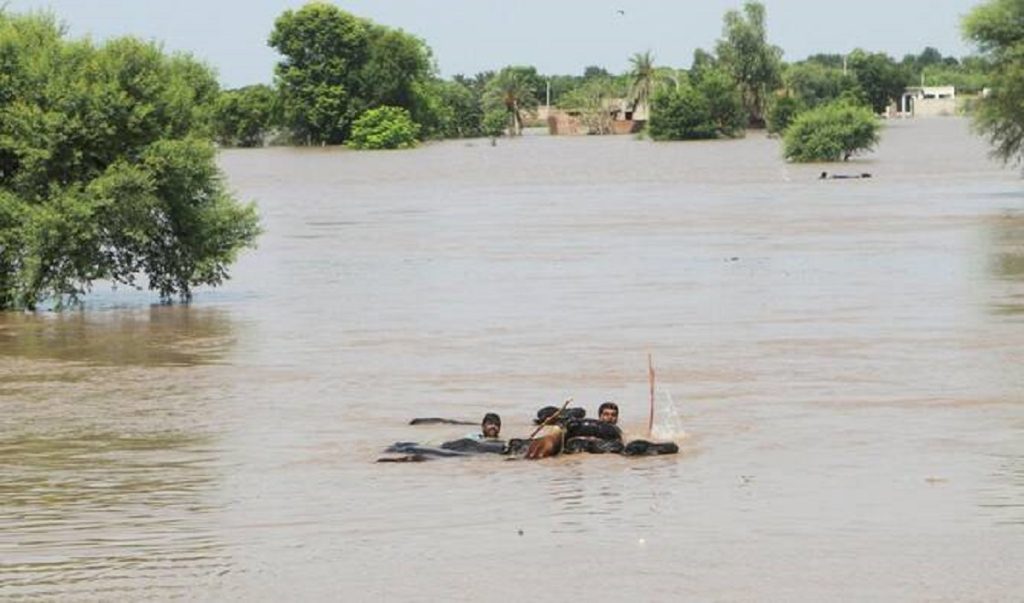
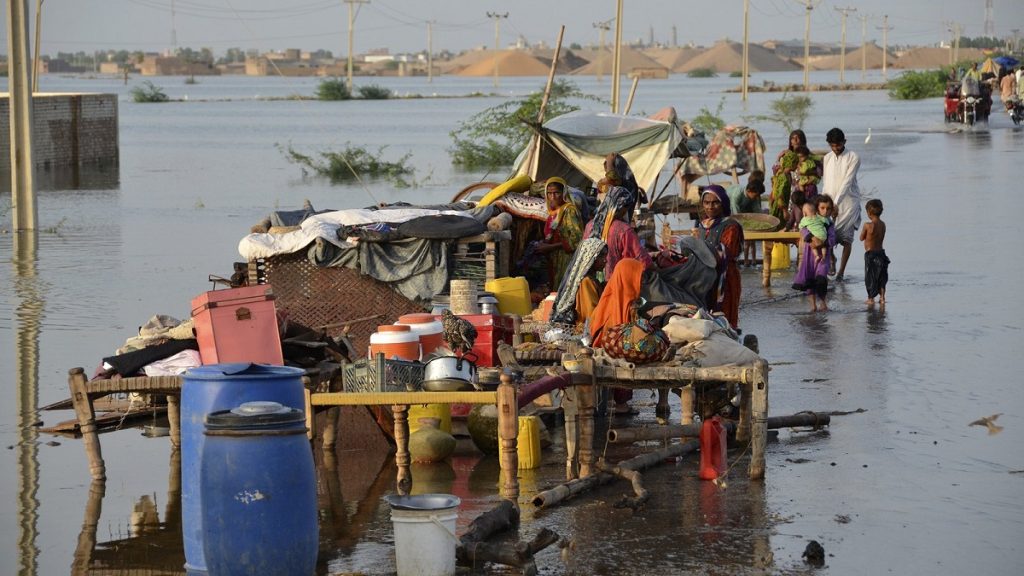
Sindh has seen comparable storm incursions in previous years, particularly during pre-monsoon and monsoon transition periods. In July 2022, intense rainfall overwhelmed Karachi’s drainage, while interior districts saw flash flooding.
According to reports from Pakistan Meteorological Department, NDMA, and regional data referenced by BBC Weather, such systems often intensify quickly due to rising sea surface temperatures. This makes accurate short-term forecasting essential for minimizing damage.
What Happens Next
Meteorologists will continue monitoring the system’s trajectory and intensity. Updated advisories are expected if rainfall thresholds increase. Residents are advised to follow official updates, avoid unnecessary travel during storms, and secure loose outdoor items.
FAQs
1. Which areas of Sindh are most likely to be affected?
South-eastern Sindh, including Karachi, Tharparkar, Badin, and Thatta, is expected to experience rain and thunderstorms as the storm system advances from Gujarat.
2. When is the rainfall expected to begin?
Forecasts suggest rainfall activity may start within the next two to three days, depending on the storm’s movement and strength.
3. Could this cause flooding in Karachi?
While widespread flooding is not confirmed, localized waterlogging is possible if rainfall becomes intense and drainage systems are overwhelmed.
4. Is this part of the monsoon season?
This system is not a full monsoon spell but may interact with monsoon moisture, influencing rain intensity in Sindh.
5. What precautions should residents take?
Stay updated with official advisories, avoid low-lying areas during heavy rain, and ensure emergency supplies are available.
Stay informed with verified updates as weather conditions evolve. Follow Star Struck Times for accurate, timely forecasts and safety guidance.
Sources
- Pakistan Meteorological Department
- National Disaster Management Authority
- BBC Weather