Maria Kolesnikova and Nobel laureate Ales Bialiatski among 123 freed as Washington signals policy shift toward Minsk
Belarus frees 123 political prisoners including opposition leader Maria Kolesnikova and Nobel Peace Prize winner Ales Bialiatski, as the United States lifts key sanctions on potash exports, according to sources involved in talks. The move signals a major U.S. policy shift toward Minsk and reshapes Belarus’ international standing.
Key Points
- Belarus releases 123 prisoners, including top opposition figures
- U.S. lifts sanctions on potash, a crucial Belarus export
- Maria Kolesnikova freed after four years in detention
- Nobel laureate Ales Bialiatski released following talks
- Policy shift creates rift between U.S. and European allies
Minsk / Washington (Star Struck Times) — Belarus has released 123 prisoners, including prominent opposition activist Maria Kolesnikova, after the United States agreed to lift long‑standing sanctions on the Eastern European nation, marking one of the most significant diplomatic developments in the region in years. The announcement came following high‑level negotiations in Minsk involving U.S. President Donald Trump’s special envoy for Belarus, John Coale, according to officials familiar with the talks.

Among those freed is Ales Bialiatski, a Nobel Peace Prize winner and internationally respected human rights advocate, whose imprisonment had become a symbol of Belarus’ political repression. The prisoner release coincides with Washington’s decision to lift sanctions on potash, a key ingredient in fertilizer and one of Belarus’ most valuable exports, providing immediate economic relief to the Lukashenko government.
John Coale, speaking to Belarusian state media, confirmed that sanctions related to potash exports would be lifted without delay. “As relations between the two countries normalize, more and more sanctions will be lifted,” Coale said, signaling a broader recalibration of U.S. policy toward Minsk after years of isolation.
Who Was Released and Why It Matters
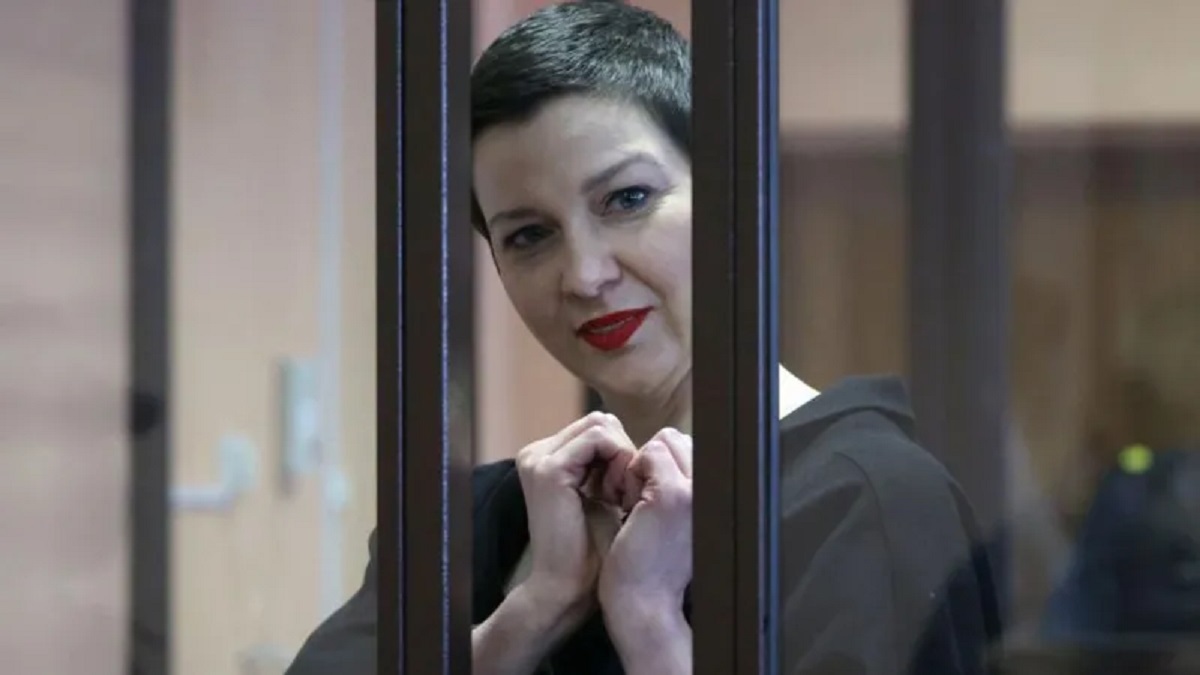
Maria Kolesnikova, a central figure in the 2020 pro‑democracy movement, had been imprisoned since mass protests erupted following elections widely criticized as fraudulent. She spent much of her detention in isolation, drawing condemnation from human rights organizations across Europe and the United States. Her release marks a rare concession by President Alexander Lukashenko, whose leadership is still not recognized by the European Union.
Kolesnikova’s sister, Tatiana Khomich, confirmed her release in an emotional interview, saying she was able to speak to her by video call shortly afterward. “She is free, she looks fine, she looks good,” Khomich said, adding that she is eager to reunite with her sister after years of separation. “The first thing Maria said was ‘thank you’—to the U.S. administration, to President Trump, and to the Belarus government for negotiating.”

Reaction on the Ground
Crowds began gathering outside the U.S. Embassy as news spread, while a group of those released were expected to arrive shortly in Vilnius, Lithuania, a frequent destination for Belarusian exiles. Supporters expressed cautious optimism, with one activist saying, “This feels like a breakthrough, but we know how fragile these moments can be.”
Critics, however, warned that the release should not overshadow years of repression. “This is a diplomatic win, but it does not erase the suffering of thousands detained since 2020,” a human rights advocate said. “Accountability still matters.”
A Strategic Win for Lukashenko
For President Alexander Lukashenko, the deal represents a major political achievement, effectively ending a period of near‑total international isolation from Washington. Both the United States and the European Union refused to recognize him as president after the 2020 election, which sparked mass protests that were violently suppressed by security forces.
Western sanctions intensified further in 2022 following Russia’s full‑scale invasion of Ukraine, when Russian troops entered Ukraine through Belarusian territory and missiles were launched from Belarus. The new agreement suggests Washington is now prioritizing diplomatic engagement over continued isolation.
U.S. Policy Shift Raises Questions
Coale also confirmed discussions with Lukashenko regarding Ukraine, including what role Minsk could play in potential negotiations involving Russian President Vladimir Putin. The outreach highlights a sharp contrast with the European approach, which continues to emphasize sanctions and political isolation.
“This is a clear divergence between U.S. and EU policy,” a European diplomat said. “Washington is testing engagement, while Europe remains skeptical.”
What Comes Next
While the prisoner release has been widely welcomed, analysts caution that its long‑term impact will depend on whether Belarus follows through with further reforms or releases. For now, the move reshapes regional diplomacy and reopens dialogue between Washington and Minsk at a critical geopolitical moment.
FAQs
Why did Belarus release the prisoners now?
The releases followed negotiations with the U.S., tied directly to sanctions relief.
Who is Maria Kolesnikova?
She is a leading opposition activist jailed after the 2020 protests.
What sanctions were lifted?
U.S. sanctions on potash exports, a key Belarusian revenue source.
Does the EU support this move?
The EU remains cautious and has not changed its stance on Lukashenko.
Follow Star Struck Times for real‑time global diplomacy updates and breaking political news.
© 2025 Star Struck Times. All rights reserved.