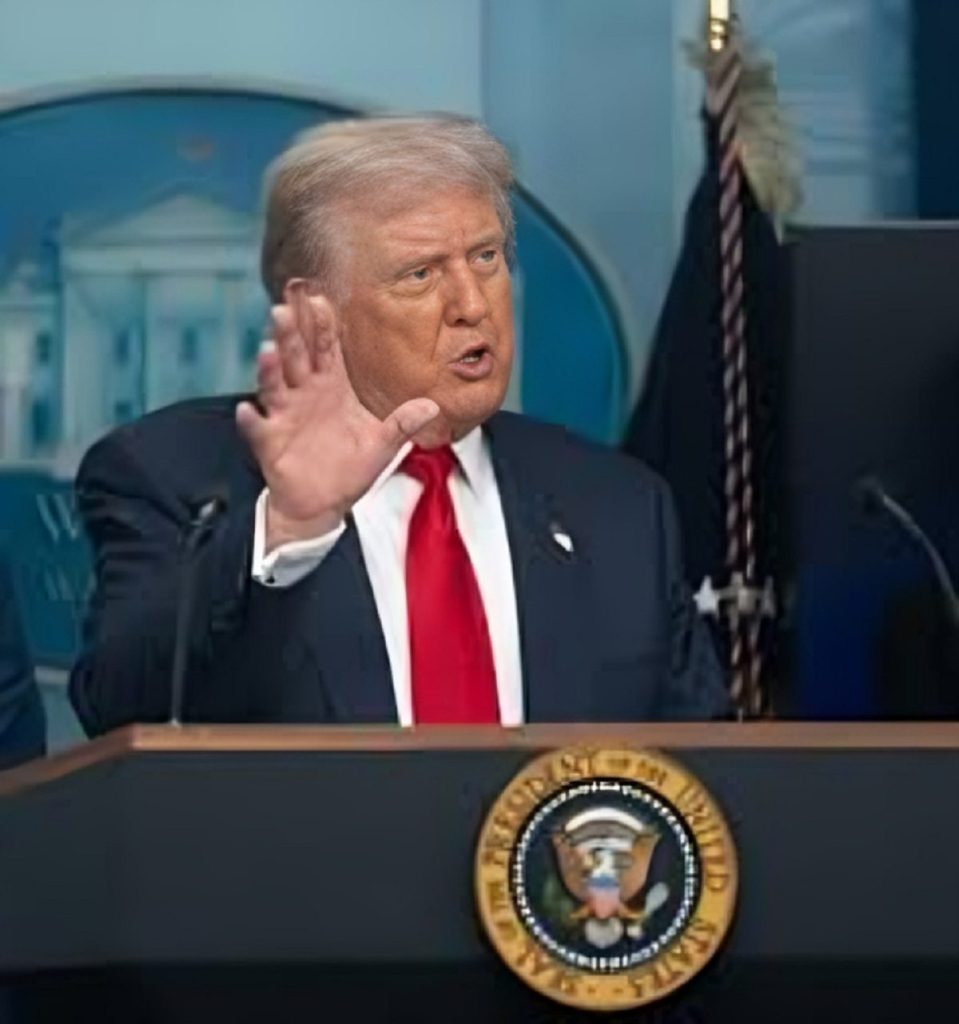
President Trump emphasizes the importance of Bagram Airbase
Breaking: Trump’s Bold Move on Bagram Airbase Sparks Shock in Afghanistan!
President Donald Trump has reignited controversy by pushing to reclaim the Bagram Airbase, but the Taliban’s outright rejection has stunned observers worldwide. Fans and analysts alike were taken aback as Kabul confirmed that while dialogue with the U.S. is welcome, any military presence is strictly off-limits. What led to this unprecedented standoff? And how could it reshape U.S.-Afghan relations and regional power dynamics? The full details reveal a story far more complex than anyone anticipated…
Trump Pushes to Reclaim Bagram Airbase – President Donald Trump expresses strong desire to retake the strategically important base near Kabul, citing its proximity to China.
Taliban Rejects U.S. Military Return – Afghanistan’s Taliban government firmly denies any U.S. military presence, emphasizing diplomatic and economic engagement only.
Historical Significance of Bagram – The airbase served as the central hub for U.S. operations during the 20-year occupation, including the controversial prison and counterterrorism activities.
Ongoing Diplomatic Talks – U.S. envoys, including Adam Boehler and Zalmay Khalilzad, meet with Taliban officials, focusing on humanitarian issues and American detainees.
Regional & Strategic Implications – The rejection signals a shift in U.S.-Afghan relations and affects broader Central Asian security dynamics, including China’s interests.
Kabul, Afghanistan (Star Struck Times) — In a significant development that underscores the complex geopolitical landscape of Central Asia, President Donald Trump’s recent call to retake Bagram Airbase has been firmly rejected by the Taliban. This move not only highlights the enduring tensions between the United States and Afghanistan but also signals a shift in regional power dynamics.
The Strategic Importance of Bagram Airbase
Bagram Airbase, located approximately 50 kilometers north of Kabul, has long been a focal point of military operations in Afghanistan. Established during the Soviet era, it became a cornerstone of U.S. military presence following the 2001 invasion. The base served as a hub for counterterrorism operations, intelligence gathering, and logistical support throughout the two-decade-long conflict.
President Trump emphasized the strategic significance of Bagram, noting its proximity to China’s nuclear facilities. He argued that maintaining a presence at the base would provide the U.S. with a critical vantage point to monitor regional threats. “We’re trying to get it back,” Trump declared, expressing regret over the previous administration’s decision to abandon the base.
Taliban’s Firm Stance
Despite the U.S. administration’s renewed interest, the Taliban has categorically rejected the idea of American forces returning to Bagram. Zakir Jalal, a foreign ministry official, stated that Afghanistan is open to engaging with the U.S. on political and economic matters but emphasized that such engagement must exclude any military presence.
The Taliban’s position reflects their broader policy of resisting foreign military presence on Afghan soil, a stance that has been a cornerstone of their governance since regaining control in 2021.
Diplomatic Engagements and Ongoing Talks
While the military aspect remains contentious, diplomatic channels between the U.S. and the Taliban continue to function. Recent discussions have centered on humanitarian issues, including the release of American detainees in Afghanistan. Special Envoy Adam Boehler and former U.S. Ambassador Zalmay Khalilzad have been involved in these talks, indicating a willingness from both sides to engage on non-military matters.
However, the prospect of re-establishing a U.S. military presence at Bagram remains highly unlikely, given the Taliban’s firm stance and the complex geopolitical considerations involved.
Regional Implications
The rejection of the U.S. request to return to Bagram has broader implications for regional security and international relations. China’s support for Afghanistan’s sovereignty and its opposition to foreign military presence in the region add another layer of complexity to the situation.
Moreover, the U.S.’s strategic interests in Central Asia, particularly concerning counterterrorism operations and monitoring regional threats, may require a reevaluation of military and diplomatic strategies in the region.
Conclusion
President Trump’s call to reclaim Bagram Airbase has been met with a firm rejection from the Taliban, highlighting the enduring complexities of U.S.-Afghan relations. While diplomatic engagements continue on humanitarian issues, the prospect of re-establishing a U.S. military presence at Bagram appears remote. This development underscores the shifting geopolitical dynamics in Central Asia and the challenges inherent in navigating international relations in this strategically significant region.
FAQs:
1. Why is Bagram Airbase strategically important? Bagram Airbase’s proximity to China and its role in U.S. military operations make it a significant asset for monitoring regional threats and conducting counterterrorism operations.
2. What is the Taliban’s position on foreign military presence? The Taliban maintains a firm policy of resisting foreign military presence on Afghan soil, viewing it as a violation of Afghanistan’s sovereignty.
3. Are there ongoing diplomatic talks between the U.S. and the Taliban? Yes, discussions continue, focusing on humanitarian issues such as the release of American detainees, though military matters remain contentious.
4. How does China’s involvement affect the situation? China supports Afghanistan’s sovereignty and opposes foreign military presence in the region, influencing the broader geopolitical dynamics.
Stay informed on the latest developments in U.S.-Afghan relations and regional security by following our comprehensive coverage.
Hello! I'm M Muzamil Shami, the founder and lead editor of Star Struck Times, your trusted source for trending news, entertainment scoops, celebrity gossip, sports highlights, and global headlines.
With a passion for storytelling and journalism, I created this platform to bring you breaking news, viral moments, and deep insights into the worlds of Bollywood, Hollywood, sports, politics, tech, and more — all in one place.