Fresh seismic activity rattles parts of Pakistan as experts monitor aftershocks and regional fault lines
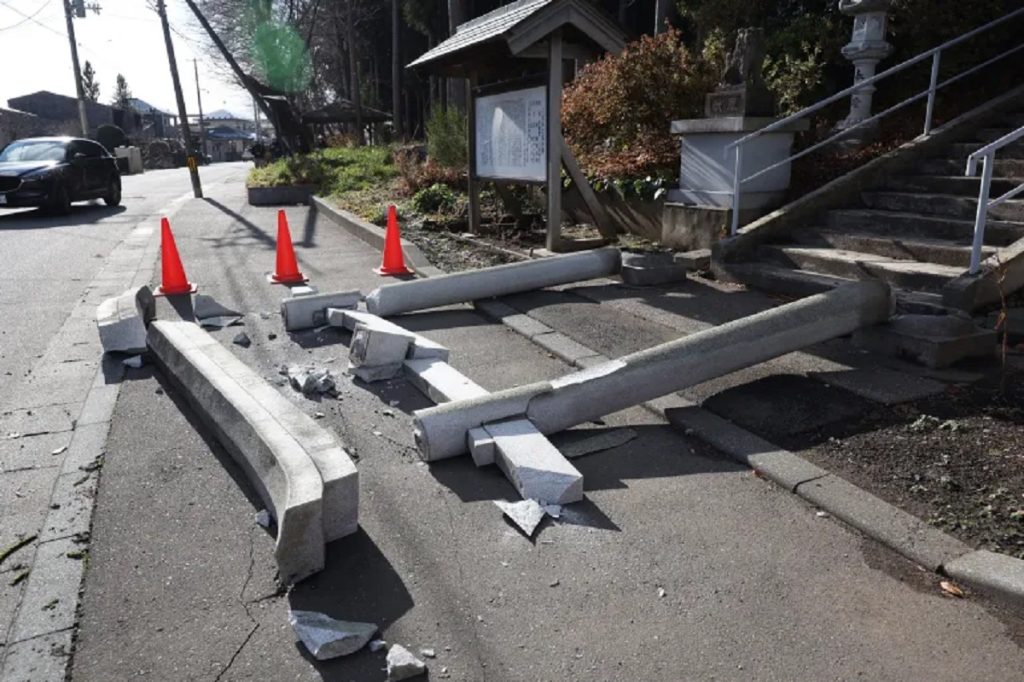
A Pakistan earthquake today measured at magnitude 5 struck parts of the country on December 15, according to a GFZ report, with tremors felt across nearby areas. As reported by Reuters, authorities are assessing the situation while experts highlight Pakistan’s rising seismic activity amid ongoing regional fault stress.
Key Points
- Magnitude-5 earthquake strikes Pakistan on December 15
- Tremors felt across nearby regions, no major damage reported
- GFZ report confirms moderate seismic depth
- Public panic briefly triggered, emergency teams alerted
- Experts warn Pakistan remains a high-risk seismic zone
Islamabad (Star Struck Times) — A magnitude-5 earthquake struck a region of Pakistan on Sunday, December 15, triggering brief panic among residents as buildings shook and tremors were felt across surrounding districts, according to the German Research Centre for Geosciences (GFZ). The quake occurred at a moderate depth, with assessments still underway to determine any damage or casualties.

The seismic event was recorded during the early hours, when many residents were indoors, increasing the intensity of fear despite no immediate reports of major destruction. Pakistan seismic activity has remained elevated in recent months, placing emergency agencies on heightened alert as fault lines across the region remain under stress.
According to preliminary data, the quake magnitude 5 event was detected near tectonic boundaries known for producing sudden jolts. While the epicenter was located away from major urban centers, tremors were felt in nearby towns, prompting residents to rush outdoors as a precaution.
What Caused the Pakistan Earthquake Today and Where Was It Felt?
Experts say the earthquake 2025 Pakistan event aligns with historical seismic patterns tied to the collision of the Indian and Eurasian tectonic plates. Pakistan lies in one of the world’s most seismically active zones, making moderate earthquakes a recurring risk rather than a rare anomaly.
A senior geophysicist familiar with the region noted that such earthquakes are often felt widely but cause limited damage due to their depth. “This was a moderate-energy release, but it serves as a reminder that stress continues to build along regional faults,” the expert said.

How Strong Was the Quake and What Did GFZ Report?
The GFZ report confirmed the quake’s strength at magnitude 5, classifying it as capable of being felt strongly but typically causing only minor structural impact. Emergency response teams were placed on standby as authorities monitored potential aftershocks.
“No major damage has been reported so far, but assessments are ongoing,” a local disaster management official said in a brief statement, adding that residents were advised to remain cautious.
Public Reaction and Immediate Response
Residents described moments of fear as furniture rattled and walls vibrated. “It felt sudden and sharp — everyone ran outside,” said one resident on social media. Another wrote, “These tremors are becoming too frequent. It’s scary how unpredictable they are.”
Emergency hotlines were activated shortly after the quake, while power and communication networks continued to function normally, easing concerns of a larger crisis.
Why Pakistan Faces Frequent Earthquakes
Pakistan’s location along active fault systems makes Pakistan earthquake today-type events inevitable, experts warn. Historical data shows that even moderate tremors can escalate risks if followed by stronger aftershocks, though none have been confirmed so far.
According to seismic analysts, continued monitoring by institutions such as GFZ, Reuters, and the U.S. Geological Survey (USGS) is crucial to understanding evolving risk patterns in the region.
What Happens Next?
Authorities say structural inspections will continue, particularly in older buildings. Citizens are being urged to review earthquake safety measures and avoid spreading unverified reports as official updates emerge.
While the immediate danger appears limited, the quake has once again highlighted Pakistan’s vulnerability to seismic events and the need for preparedness.
Mini Background
Pakistan sits atop major tectonic fault lines, making earthquakes a recurring natural threat. Seismic monitoring agencies track these movements to provide early assessments and public safety guidance.
FAQs
Was the Pakistan earthquake dangerous?
It was moderate in strength and caused fear, but no major damage has been reported so far.
Can aftershocks still happen?
Yes. Aftershocks are possible, which is why monitoring continues.
Why do earthquakes happen frequently in Pakistan?
The country lies on active tectonic fault lines where plates collide.
Stay informed with verified updates — follow Star Struck Times for real-time breaking news and safety alerts.
© 2025 Star Struck Times. All rights reserved.