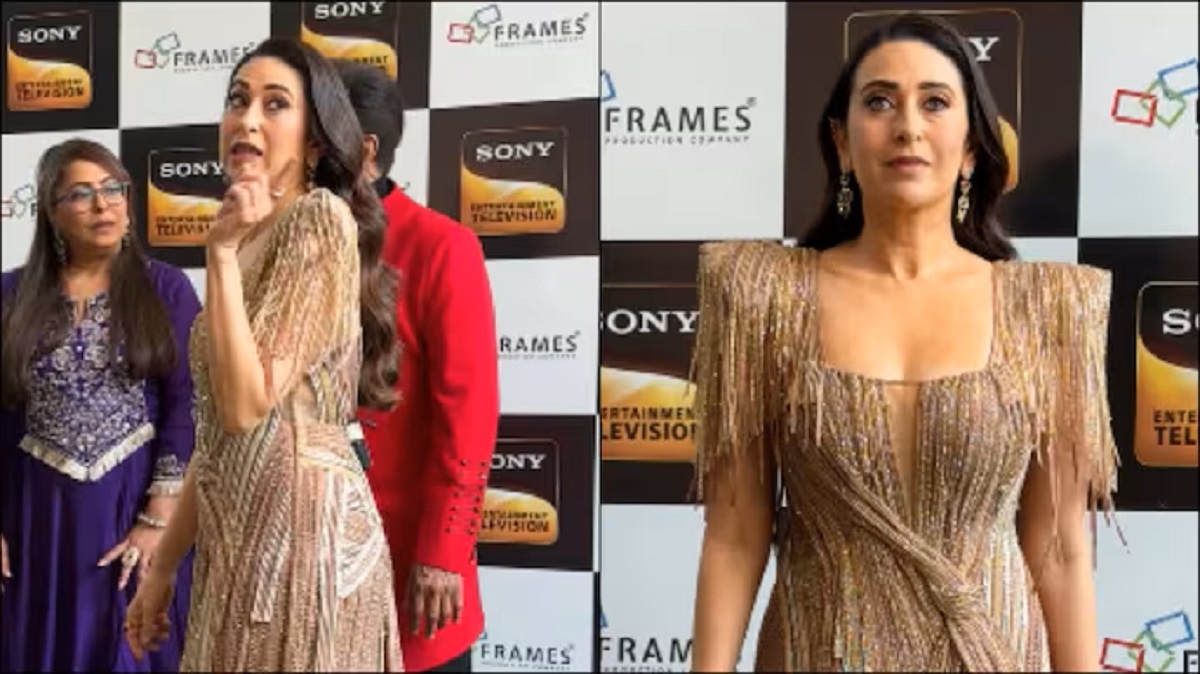
Karisma Kapoor’s polite request to paparazzi sparks privacy debate
Mumbai, India — Star Struck Times
The latest viral moment involving Bollywood star Karisma Kapoor has once again reignited the debate over celebrity privacy in the age of relentless paparazzi coverage. A short clip from the sets of India’s Best Dancer Season 5 shows the veteran actor politely but firmly asking photographers not to “zoom too much” while capturing her images. The moment, though brief, quickly spread across platforms like India Today and NDTV, sparking widespread discussion about boundaries, consent, and modern celebrity culture.
On Star Struck Times, we break down why this seemingly simple request has turned into a major conversation about how far paparazzi culture has gone — and where it may be heading next.
Key Highlights
Karisma Kapoor’s “no zoom” request during a public shoot goes viral
Fans divided over privacy vs paparazzi freedom debate
Clip originates from India’s Best Dancer Season 5 set
Media outlets like India Today and NDTV report massive online reaction
Celebrities and experts weigh in on ethical photography limits
Renewed discussion on celebrity privacy in India’s entertainment industry
What Exactly Happened on Set?
During a recent shoot for India’s Best Dancer Season 5, Karisma Kapoor was seen interacting with paparazzi stationed outside the set. According to reports by Filmfare and India Today, the actress maintained her usual composed demeanor but gently requested photographers not to zoom in excessively while clicking pictures.
The short exchange was not confrontational, but its tone carried a clear message: respect personal space, even in public appearances.
Within hours, clips circulated widely on Instagram, YouTube, and X (formerly Twitter), where users debated whether her reaction was justified or overly sensitive.
Why This Moment Struck a Chord
Celebrity photographer groups and entertainment analysts suggest this incident reflects a larger issue in India’s entertainment ecosystem — the blurred line between public visibility and personal boundaries.
Media critic Rohan Mehta, quoted in a Bollywood panel discussion, noted: “Paparazzi culture in India has evolved into constant surveillance. Even respectful celebrities are now reacting to intrusive framing techniques like zoom-ins.”
Fans were equally divided. One social media user wrote, “She didn’t say stop clicking, she just asked for dignity. That’s fair.” Another countered, “If you’re in public, you can’t control how people take photos.”
This split reaction shows how celebrity privacy remains a gray area in digital-first entertainment journalism.
The Bigger Issue: Privacy vs Public Life
The viral Karisma Kapoor moment is not isolated. Over the last few years, multiple Bollywood figures have expressed discomfort with invasive photography practices, especially zoom-heavy shots and candid street captures.
Industry observers point out three key pressures:
Constant smartphone surveillance by freelance paparazzi
Monetization of candid celebrity content on social platforms
Audience demand for “unfiltered” celebrity access
According to a media ethics expert cited by NDTV, “The paparazzi ecosystem now operates like real-time content farming, where boundaries are often secondary to engagement metrics.”
What Other Reports Missed
Most coverage focused on the viral clip itself, but missed a deeper shift happening in Bollywood culture.
This incident highlights a growing trend: established stars like Karisma Kapoor are now actively redefining acceptable media interaction norms.
Unlike newer celebrities who grew up in the social media era, Kapoor represents an earlier Bollywood generation that valued controlled publicity. Her response may not just be emotional — it could be a signal of resistance against excessive digital intrusion.
Additionally, this moment reflects a broader industry fatigue. Several actors have privately expressed concerns that candid paparazzi culture often removes context from images, turning harmless moments into viral narratives.
Industry Context: Why Paparazzi Culture Is Changing
The Indian entertainment media landscape has transformed dramatically over the last decade:
From scheduled photo sessions → to 24/7 street surveillance
From magazine exclusives → to instant viral content
From controlled PR narratives → to raw public footage
Experts believe this shift has created tension between celebrities and photographers, especially when images are amplified without consent or context.
Karisma Kapoor’s reaction, though polite, represents a subtle pushback against this evolving system.
Public Reaction: Divided but Engaged
Online reactions remain split:
Supporters argue it’s a reasonable request for dignity
Critics believe public figures must accept full exposure
Neutral observers call for clearer paparazzi guidelines
Engagement metrics show the story trending across entertainment sections of major outlets, indicating strong audience interest in privacy debates.
What Happens Next?
The discussion sparked by Karisma Kapoor’s comment is unlikely to fade quickly. Instead, it may contribute to renewed conversations about:
Formal paparazzi codes of conduct
Celebrity consent in candid photography
Platform responsibility in amplifying intrusive content
Whether this leads to actual industry change remains uncertain, but the conversation itself signals a cultural shift already underway.
FAQs
1. Why did Karisma Kapoor ask paparazzi not to zoom?
She politely requested photographers not to zoom excessively while clicking pictures, likely to maintain privacy and image dignity.
2. Where did the viral video come from?
The clip originated from the sets of India’s Best Dancer Season 5.
3. How did the public react to Karisma Kapoor’s statement?
Reactions were divided, with some supporting her privacy concerns and others defending paparazzi freedom.
4. Which media outlets covered the incident?
Major coverage came from India Today, NDTV, Filmfare, and other entertainment portals.
5. Is paparazzi culture a problem in Bollywood?
Industry experts suggest it has become increasingly intrusive due to real-time social media amplification.
Hello! I'm M Muzamil Shami, the founder and lead editor of Star Struck Times, your trusted source for trending news, entertainment scoops, celebrity gossip, sports highlights, and global headlines.
With a passion for storytelling and journalism, I created this platform to bring you breaking news, viral moments, and deep insights into the worlds of Bollywood, Hollywood, sports, politics, tech, and more — all in one place.