Under-16s Cut Off from TikTok, YouTube, Instagram, X and More as New Law Takes Effect
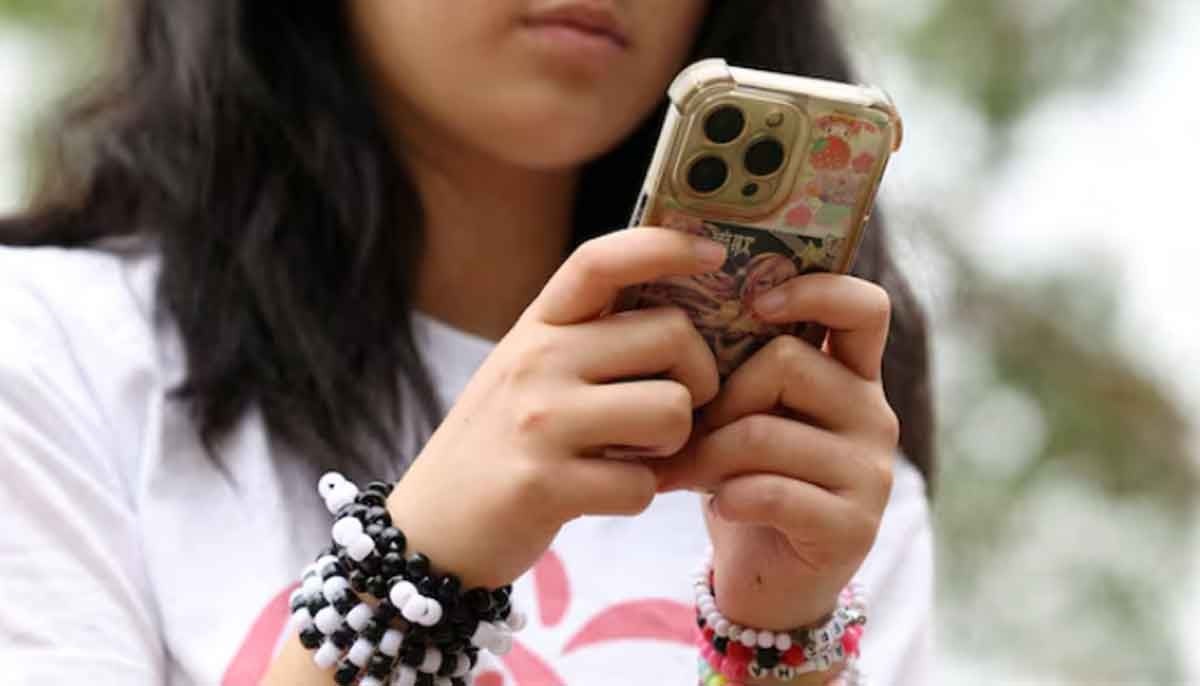
Australia has become the first country worldwide to bar children under 16 from major social media platforms starting December 10, 2025, according to government sources. The sweeping ban targets platforms such as TikTok, YouTube, Instagram, Facebook and X, with companies facing fines up to A$49.5 million if they fail to comply, as reported by Reuters and ABC News. The move draws both applause from child-safety advocates and sharp criticism from tech companies, privacy experts, and many teens.
Key Points
- Australia becomes the first country to ban under-16s from major social media platforms.
- Platforms such as TikTok, YouTube, Instagram, Facebook, X, Snapchat and more must block or purge under-16 accounts or face fines up to A$49.5 million (~US $33 million).
- The law aims to protect children from cyberbullying, harmful content, screen addiction, and mental-health risks.
- Experts warn enforcement is challenging: age-verification tools may misclassify users or be circumvented.
- The reform could inspire other countries to adopt similar age-based social media restrictions.
SYDNEY (Star Struck Times) — In a landmark move, Australia on Wednesday officially enforced a law banning children under the age of 16 from holding accounts on major social media platforms. The legislation requires tech giants — including TikTok, YouTube, Instagram, Facebook and X — to deactivate the profiles of under-16 users or face penalties of up to A$49.5 million.

Under the new regulation, existing underage accounts will be purged and no new accounts will be allowed for those under 16. The ban applies to ten of the largest global platforms, which have scrambled to implement age-verification systems ahead of the deadline.
The government framed the ban as a major step to safeguard children from online harms — including exposure to inappropriate content, cyberbullying, mental health pressures and excessive screen time.
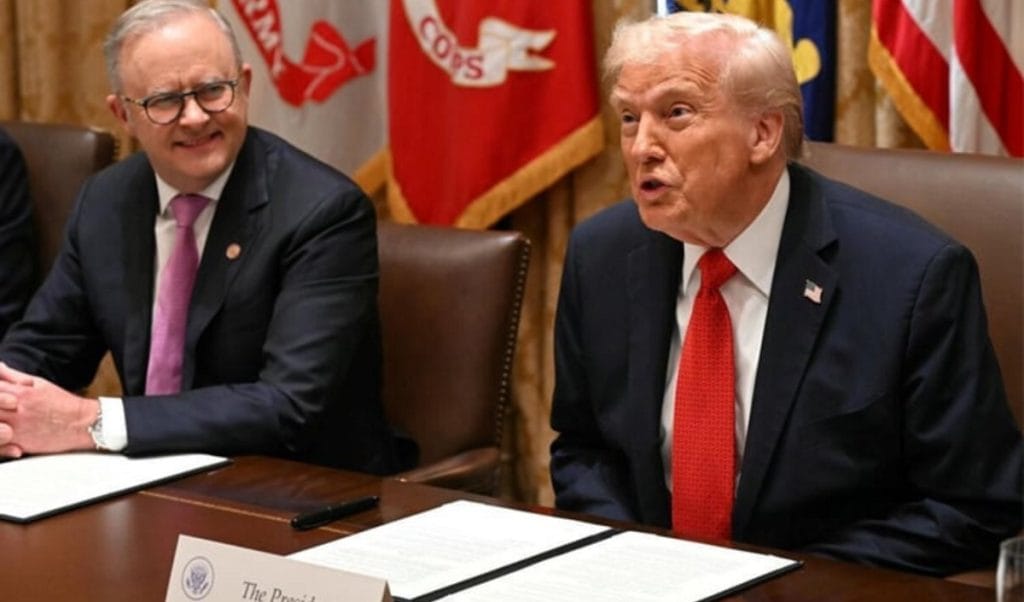
Prime Minister Anthony Albanese hailed the move as “a proud day” for families, noting the reform is intended to curb what authorities call “predatory algorithms” and the negative impact of social feeds on young minds.
But the ban is not without critics. Tech companies and digital-rights groups warn enforcement may be imperfect or discriminatory depending on age-verification tools — and some argue that the law may hinder youth voices and isolate teens from supportive online communities.

One 15-year-old user, who passed a platform’s “visual age check” just before the ban went live, told reporters: “I just changed my date of birth and it still let me in.” Meanwhile, a high-school parent said she welcomed the law, believing it could help reduce her daughter’s screen time and anxiety.
Some digital-safety experts caution the ban may not achieve its goals on its own. Many young users may shift to less regulated services or use VPNs to bypass restrictions — and age-verification methods have shown notable flaws.
Australia’s eSafety regulator will monitor compliance and issue a report by Christmas — aiming to assess how effectively platforms block under-16s, and what impact the ban has on youth well-being.
For now, the world is watching. Governments in Denmark, Malaysia and other countries have signaled they may consider similar legislation — making Australia’s move a potential “first domino” in a global push for youth online safety.
FAQs
Q: Which platforms are banned for under-16s?
A: The law covers at least ten major social media services — including TikTok, YouTube, Instagram, Facebook, X (formerly Twitter), Snapchat, Reddit, Twitch, Threads, and Kick.
Q: Can children under 16 still browse social media without an account?
A: Yes, in many cases children can view publicly available content, but they cannot hold accounts, comment, post, or interact as users.
Q: Who is fined if an under-16 account slips through?
A: The fines apply to the platform companies, not to children or their parents.
Q: Could the ban be bypassed?
A: Experts say yes — some teens may use VPNs, falsify age information, or move to other online services not covered by the ban.
Q: When will we know if the ban works?
A: The government plans to publish a compliance and impact report by Christmas 2025.
If you found this breaking update helpful, stay tuned to Star Struck Times for real-time global news. Bookmark this page, share it with your friends, and follow our social channels for the latest developments on digital laws shaping the future of online safety.
© 2025 Star Struck Times. All rights reserved.