Israel and Hamas agree truce under Trump‐brokered Gaza ceasefire deal
Major breakthrough in Gaza war, but critics question motives and staying power
Jerusalem / Cairo (Star Struck Times) — In a dramatic turn, Israel’s government formally ratified a ceasefire deal with Hamas early Friday — paving the way for an immediate halt to hostilities in Gaza and triggering widespread attention on the role of former U.S. President Donald Trump in brokering the agreement. The ratification came after intense overnight deliberations in Israel’s security cabinet, just hours before the truce was to take effect.
Under the freshly approved pact, Hamas will release 20 living Israeli hostages within 72 hours, while Israel will free 250 long-term Palestinian prisoners along with 1,700 others detained during the war. Israel will also partially withdraw its forces from Gaza, though it will maintain strategic positions.
The agreement marks the first phase of a 20-point plan championed by Trump, who now dominates headlines not only in Washington but in the heart of Middle East diplomacy. While the ceasefire delivers immediate relief, critics and analysts alike are closely watching whether this deal will endure — or collapse under the weight of unresolved challenges.
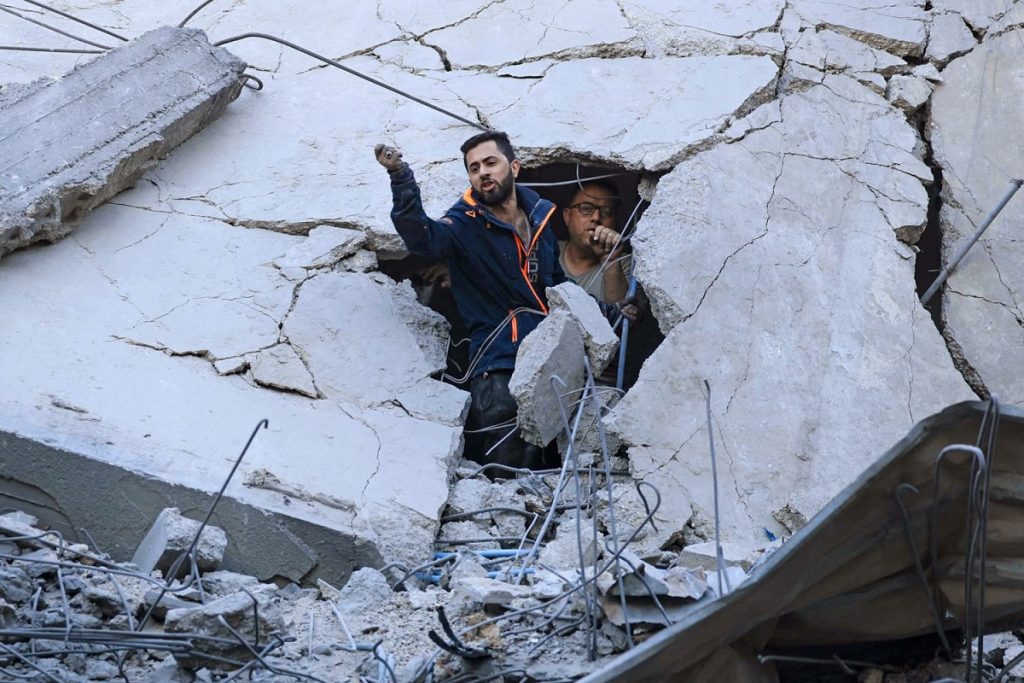
Families of hostages in Israel expressed cautious optimism. “We’ve been waiting for years — this feels like the end of the nightmare,” one relative said. In Gaza, displaced residents streamed northward toward their battered homes. “Thank God my house is still standing,” said Ismail Zayda, 40, in Gaza City. “But the place is destroyed.”
The reaction has been swift and polarized. U.N. Secretary-General António Guterres called the truce “a significant step toward Palestinian self-determination” and urged parties to seize the window for political progress. Regional powers including Qatar, Egypt, and Turkey, who mediated the talks, welcomed the move — though warned that the road ahead remains fraught.
Trump himself struck a triumphant tone after the ratification. “This means that ALL of the Hostages will be released very soon, and Israel will withdraw their Troops to an agreed upon line,” he declared in a televised statement, calling the moment “historic and unprecedented.”
Yet behind the celebration, many analysts warn that the devil is in the details. The deal was pushed through rapidly, leaving open major questions about enforcement, disarmament, reconstruction, governance of Gaza, and durability. “Trump’s rushed deal leaves many unresolved issues,” Reuters analysts warned. Some observers argue that the ceasefire may hinge more on optics and momentum than on sustainable peace.
Still, on the streets of Gaza and Israel, the mood is one of weary hope. For the first time in years, many allow themselves to imagine calm. Others, scarred by broken promises in past truces, remain guarded.
In a wrap-up moment, observers say the ratified deal is a watershed — if it holds. To succeed, it will demand relentless diplomacy, on-the-ground monitoring, and, critically, the continued engagement of Trump and regional partners. Without it, this may end up being another ceasefire that fizzles.
FAQs
Q: When does the ceasefire take effect? A: Within 24 hours of ratification — the truce is now active.
Q: Who releases what? A: Hamas is to release 20 living Israeli hostages; Israel will free 250 long-term Palestinian prisoners plus 1,700 detainees.
Q: Is this permanent? A: No. It’s only phase one of a larger 20-point framework. Many core issues remain unresolved.
Stay tuned: We’ll be tracking every update — from actual implementation, disclosures, and possible breakdowns — so you’re ahead of the curve.
Hello! I'm M Muzamil Shami, the founder and lead editor of Star Struck Times, your trusted source for trending news, entertainment scoops, celebrity gossip, sports highlights, and global headlines.
With a passion for storytelling and journalism, I created this platform to bring you breaking news, viral moments, and deep insights into the worlds of Bollywood, Hollywood, sports, politics, tech, and more — all in one place.