NEW YORK, United States — Star Struck Times
Breaking: A light-hearted talk show moment quickly turned tense when Howie Mandel reacted unexpectedly to a compliment from Kelly Ripa and Mark Consuelos, leaving viewers stunned and triggering a viral online debate about age, respect, and celebrity sensitivity.
In the latest episode of the Hollywood News category on Star Struck Times, the spotlight has shifted to an awkward on-air exchange that fans are still dissecting hours after the broadcast.

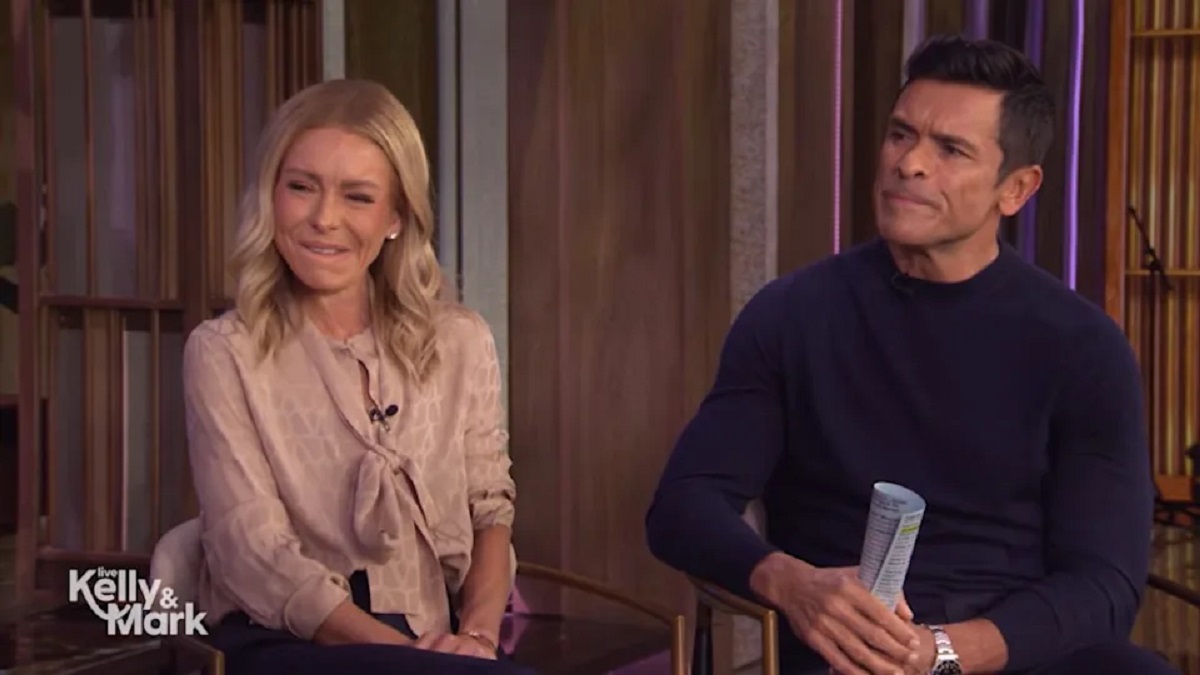
What appeared to be a routine celebrity interview on Live with Kelly and Mark took an uncomfortable turn when Mandel challenged a comment about his appearance at age 70—sparking reactions across social media platforms and reigniting conversations about “backhanded compliments” in public discourse.
Key Points
- Howie Mandel objected to a compliment about his age during a live TV appearance
- Kelly Ripa and Mark Consuelos appeared caught off guard by his reaction
- The moment quickly spread across social media, drawing mixed reactions
- Viewers are now debating whether Mandel’s response was justified or exaggerated
- The incident has opened a broader discussion about ageism in entertainment
What Happened on Live TV
The awkward moment unfolded during a March 26, 2026 broadcast of Live with Kelly and Mark. During a casual segment, Ripa praised Mandel for looking youthful and energetic at 70, a comment typically intended as flattering. However, Mandel immediately challenged the phrasing, describing it as a “backhanded compliment.”
He compared the remark to telling someone they are “smart for a stupid person,” a line that visibly shifted the tone of the conversation. The hosts attempted to clarify their intention, but the exchange had already created an uneasy atmosphere both on stage and among viewers watching at home.
Clips from the segment began circulating within minutes, turning the moment into a trending topic across entertainment news sites and social media feeds.

Why Mandel Reacted So Strongly
Mandel’s response did not come out of nowhere. Over the years, the comedian and television host has been open about his struggles with anxiety and obsessive-compulsive disorder, often discussing how public perception affects him.
Media analysts note that celebrities who spend decades in the spotlight often become sensitive to language that reinforces age stereotypes. As entertainment commentator Lisa Harmon told Entertainment Weekly,
“Comments about looking good ‘for your age’ may sound positive, but they can imply that aging itself is undesirable.”
This context helps explain why Mandel pushed back so firmly. To him, the compliment may have sounded less like praise and more like a reminder of an industry that often sidelines older performers.
Fans React Online: Divided Opinions Emerge
The fan reaction gap is where the story has truly exploded. While major outlets reported the exchange, social media became the real battleground of opinions.
On X (formerly Twitter), one viewer wrote:
“Kelly was clearly trying to be nice. Mandel overreacted and made it awkward for everyone.”
Another user took the opposite stance:
“He’s right. Saying someone looks good for their age is still ageist. We need to stop normalizing that.”
This division highlights how the moment resonated beyond entertainment gossip and tapped into broader generational conversations about respect, aging, and language.
The Psychology Behind “Backhanded Compliments”
Experts in communication and workplace culture have long warned about the subtle harm of phrases that appear positive but carry hidden implications. Phrases such as “You look great for your age” or “You’re surprisingly sharp” can unintentionally reinforce stereotypes.
Dr. Melissa Grant, a behavioral communication specialist, explained in a previous media analysis:
“Backhanded compliments create cognitive dissonance. The listener receives praise but also a reminder of a perceived flaw.”
By calling out the comment on live television, Mandel unintentionally brought this psychological concept into mainstream discussion, turning a small talk show moment into a larger cultural conversation.
Has Kelly Ripa Faced Similar On-Air Moments Before?
This is not the first time Kelly Ripa has found herself in an awkward live TV exchange. As a veteran talk show host, she has navigated countless unpredictable interviews over decades on air.
However, what made this incident stand out was Mandel’s unusually direct reaction. Past awkward moments involving celebrity guests often ended in laughter or were quickly smoothed over. This time, the tension lingered just long enough to create a viral clip that audiences replayed repeatedly.
Television critics believe that the unscripted nature of live talk shows is exactly what keeps viewers hooked. As one industry insider told People,
“Moments like these are uncomfortable, but they’re also what make live television feel real.”
How the Clip Went Viral Within Hours
The rise of short-form video platforms has changed how television moments spread. Within minutes of the episode airing, snippets appeared on X, TikTok, and YouTube Shorts, where millions of users consumed the exchange in bite-sized form.
The algorithmic nature of these platforms amplified the clip because it contained:
- visible tension
- recognizable celebrities
- a clear, relatable conflict
These elements are known to drive high engagement, shares, and comment activity—key factors in making any clip trend globally.
Why This Moment Matters in Today’s Entertainment Industry
The entertainment industry has been gradually shifting toward more inclusive representations of age, but age-related comments remain common in interviews and press appearances.
By publicly objecting to what he perceived as an age-based remark, Mandel highlighted a lingering issue: aging is still treated as a novelty rather than a normal life stage, especially in Hollywood.
Media analysts believe incidents like this may encourage hosts and interviewers to reconsider how they phrase compliments to avoid unintended implications. The conversation also aligns with a broader societal push toward more mindful language in professional and public settings.
What Mandel Said After the Show
As of publication, Mandel has not issued an official statement clarifying whether he felt genuinely offended or was partly playing into the comedic tension for entertainment value. The absence of a follow-up comment has only fueled speculation and kept the story trending longer than usual.
Without a definitive explanation, audiences are left interpreting the moment through their own perspectives—some viewing it as justified advocacy, others as an unnecessary escalation of a harmless compliment.
What Happens Next
Whether this incident fades quickly or continues to shape conversations about ageism in media depends largely on how Mandel and the show address it in future appearances. If the comedian revisits the moment in interviews or on social media, the debate could easily resurface and extend the story’s lifespan across news cycles.
FAQs
Why did Howie Mandel react to Kelly Ripa’s compliment?
He interpreted the phrase “you look great at 70” as a backhanded compliment that highlighted his age rather than simply praising his appearance.
What show did the awkward moment happen on?
The exchange occurred during a live broadcast of Live with Kelly and Mark on March 26, 2026.
Did Kelly Ripa respond to Mandel’s comments afterward?
During the segment, she attempted to clarify that the remark was intended as genuine praise. No separate statement has been released since.
Why is this moment trending online?
The clip spread rapidly on social media platforms, where users debated whether Mandel’s reaction was justified or excessive.
Is this part of a larger discussion about ageism in Hollywood?
Yes. The incident has sparked conversations about how celebrities and media professionals discuss aging and whether certain compliments reinforce stereotypes.
What do you think—was Howie Mandel right to call out the comment, or was it blown out of proportion? Share your thoughts and join the discussion on Star Struck Times.
Sources
- People
- Entertainment Weekly
- Page Six