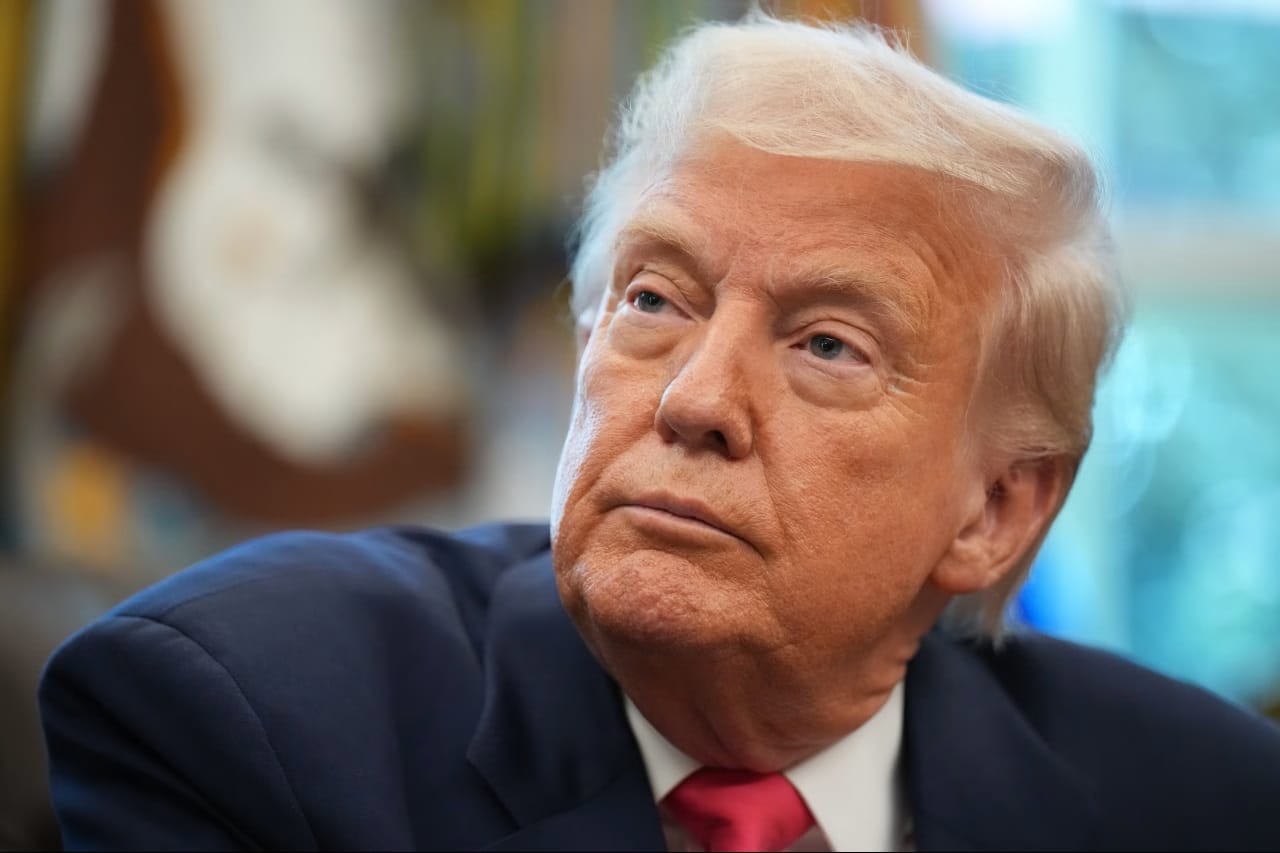
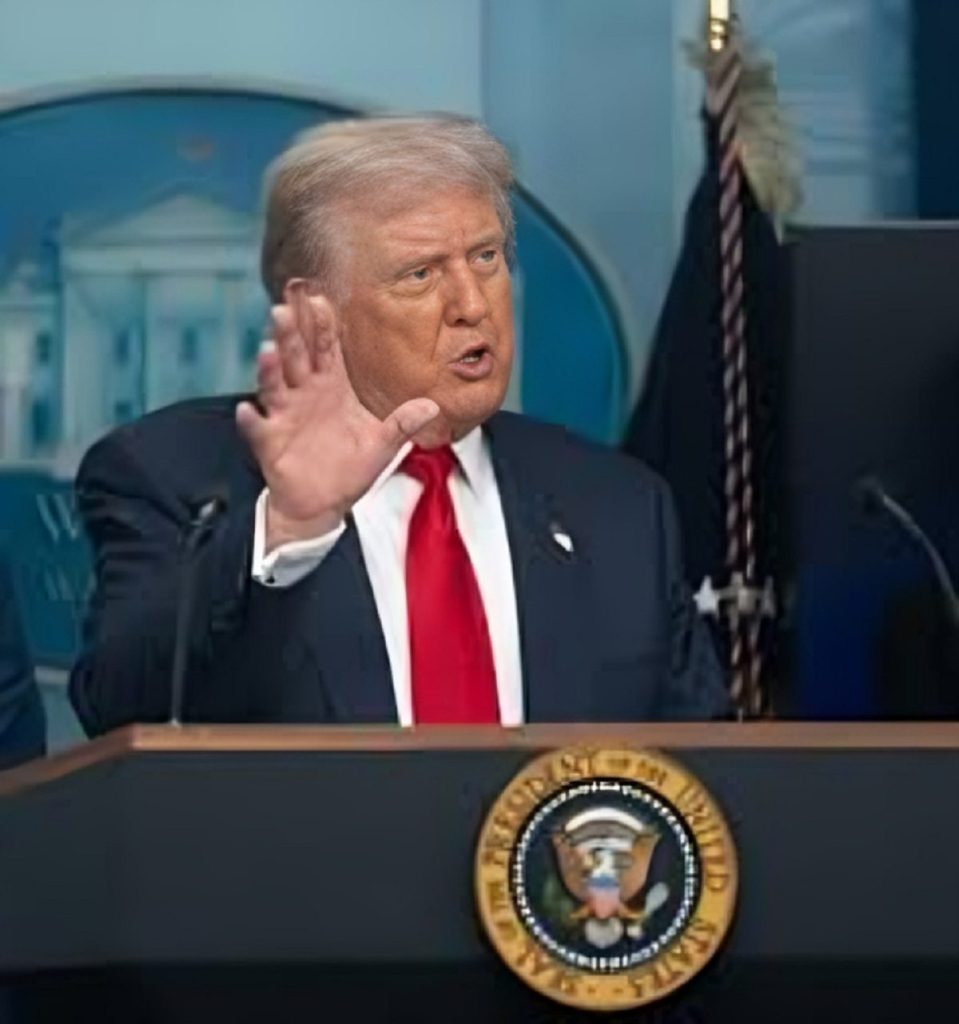
The New York Appellate Division, First Department, where the prolonged deliberation on Trump's civil fraud appeal is taking place.
Prolonged Delay: Nearly a year has passed since the New York Appellate Division, First Department, heard arguments in Donald Trump’s appeal of a $500 million civil fraud judgment.
Unusual Split: The five-judge panel is reportedly split, with multiple opinions being drafted, a rare occurrence for a court known for swift and unanimous decisions.
Potential Implications: The delay raises questions about the case’s impact on business regulation and public interest.
Political Speculations: Allegations of political bias have surfaced, with some suggesting that the delay may be strategically timed.
In a rare and unprecedented move, the New York Appellate Division, First Department, has left the legal community and the public in suspense by delaying its ruling on former President Donald Trump’s appeal of a $500 million civil fraud judgment. Nearly a year has passed since the court heard arguments in the case, a significant deviation from its typical swift and unanimous decision-making process. This prolonged delay has sparked widespread speculation about the reasons behind it and its potential implications for both the legal system and the broader political landscape.
Background of the Case
The case stems from a lawsuit filed by New York Attorney General Letitia James in 2022, accusing Donald Trump of inflating the values of his real estate holdings to secure favorable loans and insurance terms. In early 2024, Judge Arthur Engoron ruled in favor of the Attorney General, imposing a $500 million judgment against Trump and barring him and his sons from managing the Trump Organization. Trump appealed the decision, arguing that the penalties were excessive and politically motivated. He was granted a temporary stay, allowing him to continue managing his business operations pending the outcome of the appeal.
The Unprecedented Delay
What was expected to be a routine appellate review has turned into an extended legal limbo. The five-judge panel, known for its efficiency and consensus-driven decisions, is reportedly split, with multiple opinions being drafted. This unusual division has raised eyebrows, as fewer than 1% of decisions from the First Department typically include dissenting opinions. Legal experts are puzzled by the extended delay, with some suggesting that the complexity of the case and its potential ramifications may be contributing factors.
Political Implications and Speculations
The timing of the delay has fueled allegations of political bias. Some critics argue that the prolonged decision-making process may be strategically timed to coincide with political events, potentially influencing public perception and electoral outcomes. For instance, the delay could be seen as a way to avoid making a controversial decision during a politically sensitive period. These speculations have intensified the scrutiny of the judiciary’s impartiality and independence.
Adding to the controversy, some observers suggest that the court may be waiting for the retirement of certain justices who might cast a decisive vote favorable to Trump. This theory posits that the delay could be a tactical move to ensure a more favorable ruling once the composition of the court changes.
Potential Consequences of the Delay
The extended delay in ruling on Trump’s civil fraud appeal has several potential consequences. Firstly, it prolongs the uncertainty surrounding the Trump Organization’s operations and management. Secondly, it raises questions about the effectiveness and efficiency of the judicial system in handling high-profile cases. Lastly, it may have broader implications for business regulation and public trust in the legal system.
Legal experts warn that prolonged uncertainty can have detrimental effects on businesses, as it may deter investment and complicate financial planning. Moreover, the perception of judicial inefficiency can erode public confidence in the legal system’s ability to deliver timely and fair justice.
Public and Legal Community Reactions
The delay has elicited strong reactions from various quarters. Public opinion is divided, with some expressing frustration over the prolonged uncertainty, while others view it as a necessary measure to ensure a thorough and fair review of the case. Legal professionals are also voicing concerns, with some suggesting that the delay could set a troubling precedent for future high-profile cases.
In an opinion piece, the New York Post criticized the prolonged delay, arguing that it raises concerns about political motivations behind the hold-up. The editorial suggests that the delay could be deliberate, possibly orchestrated by certain justices to maintain leverage over Trump or shield political figures from potential fallout during their re-election campaigns. Observers speculate that the court may be waiting for the retirement of a judge who might cast a decisive vote favorable to Trump.
What’s Next?
As the legal community and the public await a decision, the question remains: when will the court rule? The uncertainty continues to loom over the Trump Organization and the broader political landscape. Legal experts emphasize the importance of timely decisions in maintaining the integrity and efficiency of the judicial system. However, with no clear timeline in sight, the delay continues to fuel speculation and debate.
FAQs
Q1: What is the basis of the civil fraud case against Donald Trump? The case alleges that Trump inflated the values of his real estate holdings to secure favorable loans and insurance terms, violating state laws aimed at protecting market integrity.
Q2: How long has the appellate court been deliberating on Trump’s appeal? Nearly a year has passed since the court heard arguments in the case, a significant deviation from its typical swift decision-making process.
Q3: What are the potential implications of the court’s delay? The delay prolongs uncertainty for the Trump Organization and raises questions about the effectiveness and efficiency of the judicial system in handling high-profile cases.
Q4: Are there allegations of political bias in the court’s delay? Yes, some critics argue that the prolonged decision-making process may be strategically timed to coincide with political events, potentially influencing public perception and electoral outcomes.
Stay informed on this developing story by subscribing to our newsletter for real-time updates. Share your thoughts on the delay in the comments below and join the conversation on social media using the hashtag #TrumpAppealDelay.
Hello! I'm M Muzamil Shami, the founder and lead editor of Star Struck Times, your trusted source for trending news, entertainment scoops, celebrity gossip, sports highlights, and global headlines.
With a passion for storytelling and journalism, I created this platform to bring you breaking news, viral moments, and deep insights into the worlds of Bollywood, Hollywood, sports, politics, tech, and more — all in one place.